


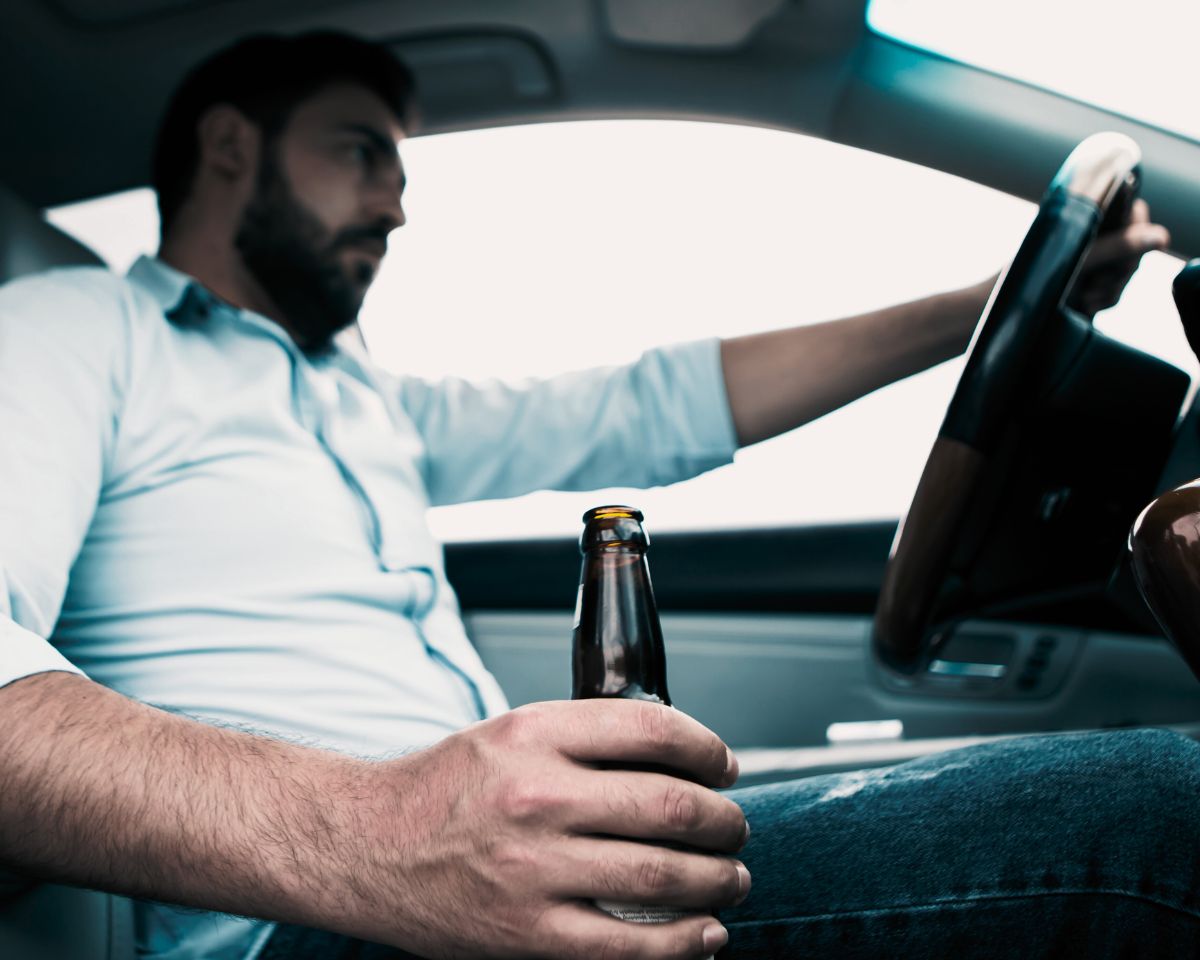
California has strict laws when it comes to alcohol in vehicles. Whether you’re driving, riding as a passenger, or even just storing an opened bottle of wine in your car, it’s essential to understand what’s legal — and what isn’t. California’s Vehicle Code Sections 23221 through 23229 cover what’s known as the “open container law” — a set of statutes that regulate the possession and consumption of alcohol (and in some cases, marijuana) in motor vehicles. In this complete guide, you’ll learn what these laws say, who they apply to, what penalties exist, and how to stay on the right side of the law.
What Is an “Open Container”?
An open container refers to any bottle, can, or other receptacle that:
-
Has been opened,
-
Has a broken seal, or
-
Has had any contents removed (partially or fully).
Even if the container is empty, it can still be considered an open container if it meets these criteria.
Where the Law Applies
California’s open container laws typically apply to:
-
Drivers and passengers in motor vehicles,
-
When the vehicle is located on a public road, highway, or other publicly accessible area.
These laws do not typically apply to private property, such as a private driveway or a campsite, but there are exceptions depending on the context.
Breakdown of California Vehicle Code Sections 23221–23229
Each section addresses a different part of the law. Here’s a breakdown in plain language:
VC Section 23221 – Drinking in a Motor Vehicle
-
Prohibits any driver or passenger from consuming alcohol or marijuana while in a vehicle on a public road.
-
Applies whether the vehicle is moving or stopped.
VC Section 23222 – Possession of Open Containers
-
Prohibits drivers from having open containers of alcohol (or cannabis) in the vehicle, regardless of whether they are consuming it.
VC Section 23223 – Passengers and Open Containers
-
Passengers cannot possess open containers in a vehicle on public roads.
-
The law applies even if the passenger isn’t drinking.
VC Section 23224 – Underage Possession
-
Drivers or passengers under 21 years old cannot possess alcohol in a vehicle at all — whether it’s open or sealed.
-
Some exceptions apply, such as when accompanied by a parent or for work-related transportation.
VC Section 23225 – Where to Store Open Containers
-
Open containers must be kept in:
-
The trunk, or
-
A location not normally occupied by the driver or passengers.
-
-
Glove compartments do not qualify as safe storage.
VC Section 23226 – Keeping Open Containers in Passenger Areas
-
Specifically bans keeping any open alcohol container in the passenger compartment of a vehicle.
VC Section 23229 – Exceptions for Certain Vehicles
-
Provides exceptions for:
-
Passengers in buses, limousines, taxicabs, or
-
Housecars and campers with living quarters.
-
-
Drivers in these cases must still comply with applicable laws.
VC Section 23229.1 – Special Rules for Charter Vehicles
-
Additional restrictions for vehicles that transport people under the age of 21, such as party buses or rented limousines.
What Counts as a Violation?
You may be in violation of California’s open container laws if:
-
There’s an open container in the passenger area,
-
You’re drinking or consuming marijuana inside a vehicle,
-
The container is accessible to the driver or passengers,
-
You’re under 21 and have alcohol in the car,
-
You fail to store the container in the trunk or locked compartment (if required),
-
You’re in a vehicle for hire and not meeting the conditions of exemption.
Penalties for Violating Open Container Laws
Penalties vary depending on the nature of the violation:
For Adults (21 and over)
-
Typically an infraction
-
Fines up to $250
-
No jail time in most cases
For Minors (Under 21)
-
Can be a misdemeanor
-
Fines up to $1,000
-
Possible driver’s license suspension
-
May include community service or alcohol education programs
Repeat offenses or related charges (like DUI) can lead to more serious consequences.
Common Myths & Misunderstandings
| Myth | Reality |
|---|---|
| “It’s okay if the bottle is empty.” | Even an empty, previously opened bottle can count as an open container. |
| “I’m just a passenger — it doesn’t matter.” | Passengers are equally restricted in many situations. |
| “I kept it in the glove box, so it’s fine.” | Glove boxes are part of the passenger area and not legal for open container storage. |
| “It’s in my backpack, so it’s not visible.” | If the backpack is in the passenger area, it’s still considered accessible. |
Legal Exceptions
Some people and situations are exempt from these rules — with conditions:
-
Passengers in Limousines, Taxis, or Buses
-
May be allowed to possess and consume alcohol if the driver is not consuming and the vehicle is legally licensed for commercial transport.
-
-
Living Areas in Campers or Motorhomes
-
Alcohol is allowed in designated living quarters, not in the driver or front passenger area.
-
-
Underage Transport for Employment
-
Under 21s transporting alcohol as part of work may be exempt if properly licensed and supervised.
-
Defenses If You’re Cited
If you’re cited under any of these sections, potential defenses may include:
-
The container was in the trunk or a legally allowed storage area.
-
You did not know the container was open or present.
-
The vehicle was not on a public road.
-
The alcohol was being transported for work or by a supervised minor.
-
Lack of possession or control — for example, it wasn’t yours or within your reach.
In any case, it’s wise to seek legal advice to understand your options.
How to Stay in Compliance
To avoid violating California’s open container laws, follow these best practices:
-
Always store opened alcohol in the trunk or a locked, non-passenger area.
-
Never consume alcohol or marijuana while inside a vehicle — even as a passenger.
-
Make sure minors under 21 don’t possess alcohol in your vehicle.
-
If you drive a vehicle for hire, understand the exceptions and responsibilities.
-
When in doubt, don’t risk it — keep alcohol inaccessible and sealed.
Need Legal Help? Contact Southwest Legal Today
If you’ve been cited or charged under California’s open container laws — or you’re facing related alcohol or marijuana-related charges — you don’t have to go it alone. Southwest Legal is here to help. Our experienced legal team has deep knowledge of California traffic and criminal law. Call us today for a free consultation. Understand the law. Protect your future — with Southwest Legal.