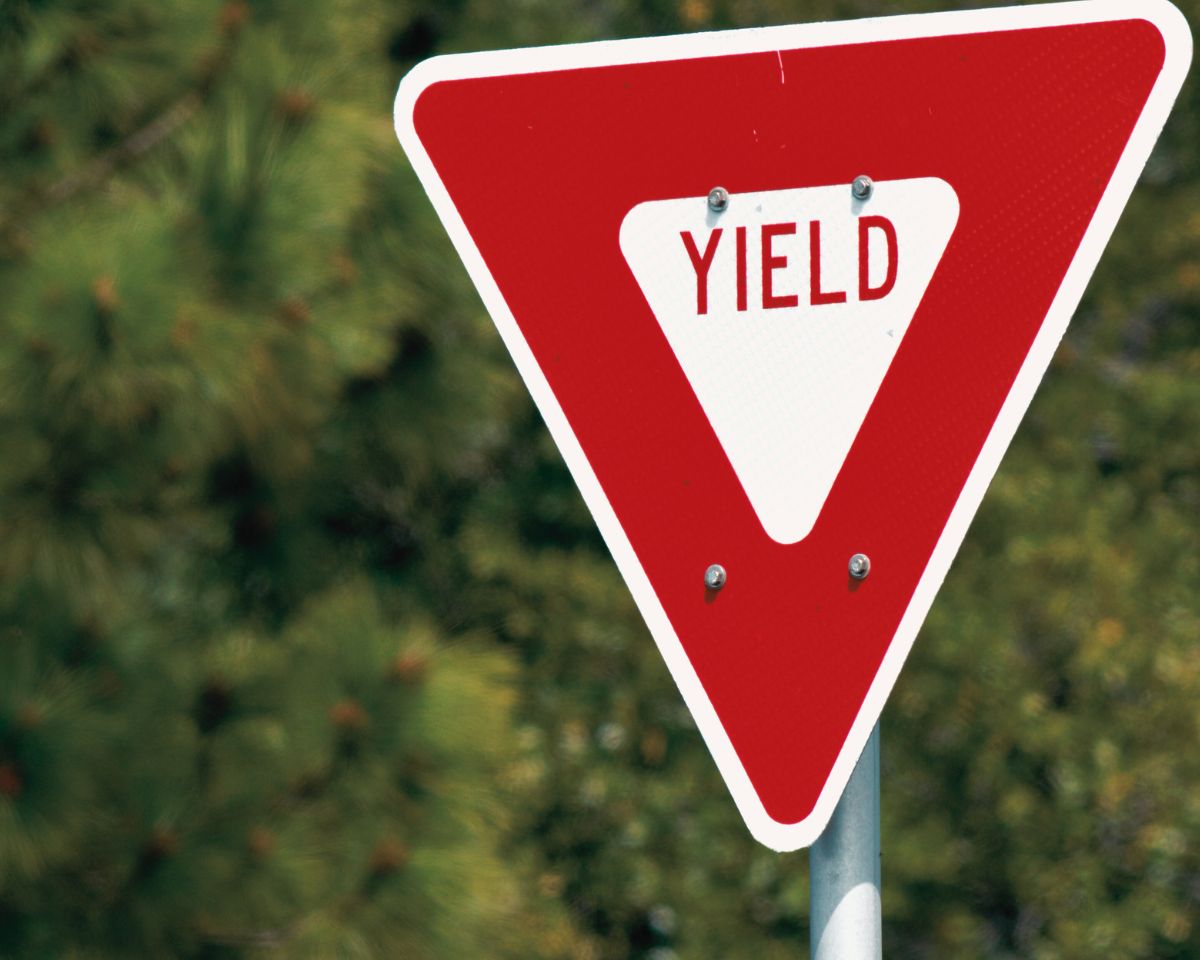
In California, failure to yield is one of the most commonly cited moving violations and is governed by Vehicle Code sections 21800 through 21804. These laws outline when a driver must legally yield the right-of-way at intersections, during turns, or when entering a highway from a driveway, alley, or private property. While these violations may seem minor at first glance, they can lead to costly fines, DMV points, higher insurance premiums, and even legal liability in the event of a collision.
Understanding the details of California’s yield laws is critical, especially if you’ve been cited or involved in a traffic accident. Whether you’re facing a ticket or want to know your rights and responsibilities on the road, this guide breaks down the law in simple terms and offers insight into legal defenses and next steps.
What Does “Failure to Yield” Mean?
A “failure to yield” occurs when a driver does not give the legal right-of-way to another vehicle or pedestrian when required to do so. This can happen at intersections, while turning, at stop or yield signs, or when entering a road from private property. The yield obligation depends on several factors: who arrived first, which road continues through the intersection, the type of intersection control (stop sign, signal, yield sign), and whether there are immediate hazards present.
Breakdown of California Yield Laws
Vehicle Code § 21800 – Uncontrolled Intersections
Section 21800 outlines the rules at intersections that are not controlled by stop signs or traffic signals. If two vehicles arrive at the same time, the driver on the left must yield to the driver on the right. If a vehicle has already entered the intersection, approaching vehicles must yield to it. Additionally, when a traffic light is out or flashing, drivers are required to stop and treat the intersection as a four-way stop, proceeding only when it’s safe and yielding according to the standard rules.
Vehicle Code § 21801 – Left Turns and U-Turns
This section applies when a driver is making a left turn or a U-turn across oncoming traffic. The driver must yield to any vehicles coming from the opposite direction that are close enough to pose a hazard. Once the turn is safely initiated, other drivers must then yield to the turning vehicle. Timing and distance are key—many citations result from differing opinions on whether a turn was made safely.
Vehicle Code § 21802 – Stop Sign Intersections
When approaching an intersection controlled by a stop sign, drivers must come to a complete stop and yield to other vehicles already in the intersection or those close enough to pose a hazard. Once it is safe, the driver may proceed, and other vehicles must yield to them. However, if the intersection is controlled by stop signs on all sides, the usual rule applies: the vehicle on the left yields to the vehicle on the right if both arrive at the same time.
Vehicle Code § 21803 – Yield Sign Intersections
Drivers approaching a yield sign must slow down or stop if necessary to yield the right-of-way to vehicles already in the intersection or approaching closely on the intersecting road. Failure to yield in these circumstances can result in a citation and increased liability in the event of a crash.
Vehicle Code § 21804 – Entering a Road from Private Property or Alley
If you’re entering a public road from a driveway, alley, or private property, you are required to yield to all vehicles already traveling on that road. You must wait until it is reasonably safe to enter or cross the highway. Once you have safely entered the roadway, other vehicles are then required to yield to you.
Common Scenarios That Lead to Failure to Yield Tickets
-
Two cars arrive at an intersection with no stop signs: the driver on the left fails to yield to the driver on the right.
-
A driver turns left at a green light but doesn’t wait for oncoming traffic to clear.
-
A driver pulls out of a parking lot into traffic without waiting for a safe gap.
-
A driver rolls through a stop or yield sign and cuts off another vehicle already in the intersection.
-
A driver enters a street from a driveway and doesn’t see a fast-approaching car.
Penalties for Failure to Yield in California
A failure to yield ticket is considered an infraction. The base fine is typically around $238, but with court fees and assessments, the total can be much higher. More importantly, a conviction adds one point to your DMV driving record. Too many points within a short period can lead to a license suspension under California’s Negligent Operator Treatment System (NOTS).
Additionally, having a failure to yield violation on your record can cause your auto insurance premiums to increase significantly, especially if the violation was associated with a collision.
In some cases, you may be eligible for traffic school, which could keep the point off your record, but this is not guaranteed and depends on your driving history, license type, and the specifics of your violation.
Legal Defenses to a Failure to Yield Ticket
If you’ve been cited for failing to yield, you may have valid legal defenses, especially if the situation was misinterpreted by the officer or if external factors made it impossible for you to yield safely. Common defenses include:
-
You did yield properly: The officer may have missed your full stop or didn’t observe the moment you allowed another vehicle to pass.
-
The other vehicle was not close enough to be a hazard: Many statutes require yielding only when another vehicle is “close enough to constitute a hazard.”
-
Obstructed view: If bushes, parked cars, or poor lighting conditions prevented you from seeing approaching traffic, this may support your defense.
-
Emergency circumstances: You had to proceed to avoid a hazard or because of an unexpected situation.
-
Officer error: The citation may be based on assumptions or misjudgment about who arrived first, who was turning, or which driver had priority.
Steps to Take After Receiving a Failure to Yield Citation
-
Read your ticket carefully to determine the specific violation and court date.
-
Document the scene—take photos of the intersection, signage, and any visibility issues.
-
Note weather conditions, traffic flow, and any other relevant facts.
-
Avoid admitting fault, either on the scene or to your insurer.
-
Consult a qualified traffic defense attorney to explore your options.
-
Request a trial or file a trial by written declaration, depending on your comfort level and legal strategy.
An experienced traffic ticket defense attorney can help assess whether there are any factual inaccuracies in the officer’s account, challenge the citation in court, or negotiate for a reduced charge or dismissal.
Why These Cases Are Worth Fighting
Failure to yield violations often come down to judgment calls. Law enforcement may not have had a clear view of the entire situation, and small details—like who entered the intersection first or how far away another vehicle was—can make all the difference. These cases are often winnable with the right evidence and representation.
Don’t Let a Ticket Derail Your Record — Get Legal Help
If you’ve received a ticket for failing to yield under Vehicle Code §§ 21800 through 21804, don’t assume you have no choice but to pay the fine and accept the consequences. Many drivers have successfully contested these tickets with the help of a traffic defense attorney who understands the law, the court system, and the strategies that work.
Call Southwest Legal Today for Help with Your Ticket
At Southwest Legal, we specialize in defending California drivers against traffic citations — including failure to yield violations. Our team understands the nuances of the law and how to challenge these cases in court. Whether you’re looking to keep points off your record, avoid insurance hikes, or have your citation dismissed altogether, we’re here to help. Call us now for a free consultation and take the first step toward protecting your license and your peace of mind.