


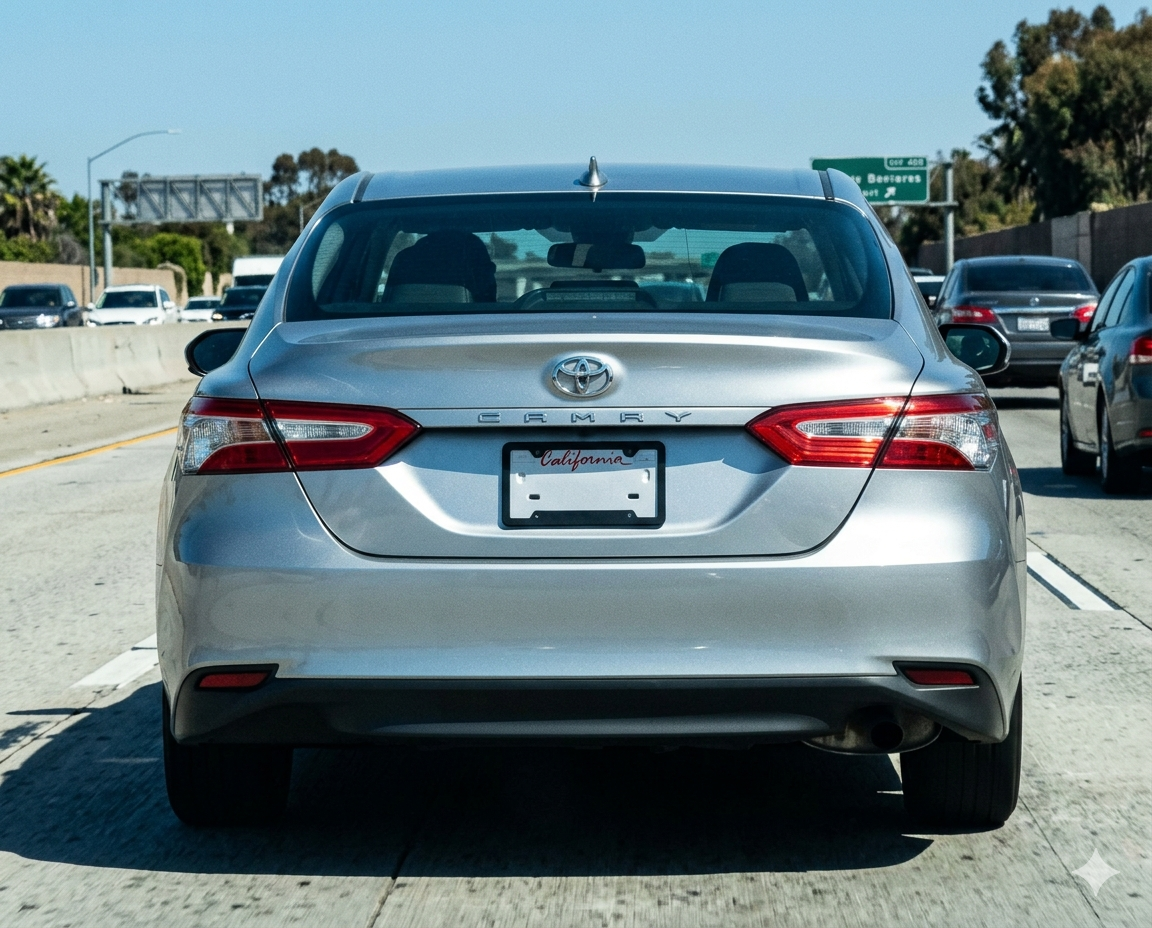
Understanding California vehicle laws is important for every driver, especially laws involving vehicle registration and license plate display. One commonly enforced statute is California Vehicle Code § 5200, which explains how license plates must be displayed on vehicles operating in California.
Many drivers receive citations simply because they are unaware of the exact requirements. Whether you drive a personal vehicle, commercial vehicle, or recently purchased car, understanding this law can help you avoid fines, traffic stops, and unnecessary legal complications.
This guide provides an explanation of California Vehicle Code § 5200 including penalties, legal requirements, exceptions, and practical compliance tips.
What Is California Vehicle Code § 5200?
California Vehicle Code § 5200 is the law that governs the proper display of license plates on registered vehicles in California.
The statute requires drivers to display the license plates issued by the California Department of Motor Vehicles (DMV) in the correct location on the vehicle. The purpose of the law is to ensure vehicles can be easily identified by law enforcement, parking authorities, toll systems, and public safety agencies.
Failure to properly display license plates may result in a traffic citation and monetary penalties.
Understanding the Requirements Under CVC § 5200
The law is relatively straightforward, but many vehicle owners misunderstand how it applies in practice.
Vehicles Issued Two License Plates
Most passenger vehicles registered in California are issued two license plates by the DMV.
Under California Vehicle Code § 5200:
- One license plate must be mounted on the front of the vehicle
- The second plate must be mounted on the rear of the vehicle
Both plates must remain attached and visible while the vehicle is being operated on public roads.
This means drivers cannot legally remove the front plate for cosmetic reasons or place it inside the windshield instead of attaching it to the bumper.
Vehicles Issued Only One License Plate
Certain vehicles are issued only one license plate.
When only one plate is issued:
- The plate must be displayed on the rear of the vehicle
This rule commonly applies to specific trailers, motorcycles, or certain commercial vehicle categories.
Why California Requires Front and Rear Plates
Some drivers question why California continues to require front license plates when some other states do not. There are several reasons behind the law.
Vehicle Identification
Front and rear plates make it easier for law enforcement officers to identify vehicles from different directions during traffic enforcement or criminal investigations.
Traffic Safety Enforcement
License plate readers and traffic camera systems rely on visible plates for:
- Toll collection
- Parking enforcement
- Red-light camera systems
- Stolen vehicle identification
Crime Prevention
Requiring two visible plates helps reduce fraudulent vehicle activity and makes it harder for drivers to avoid identification.
Common Violations of California Vehicle Code § 5200
Drivers can receive a citation for several different violations related to improper plate display.
Common examples include:
- Missing front license plate
- Missing rear license plate
- License plate placed inside the windshield
- Plate attached in an unreadable position
- Plate not securely fastened
- Driving with temporary mounting methods that obscure visibility
Even if the rear plate is properly installed, a missing front plate may still lead to a traffic stop and citation.
Can You Be Pulled Over for a Missing Front License Plate?
Yes. California law enforcement officers may legally stop a vehicle for failing to comply with license plate display requirements.
A missing front plate is considered a valid equipment violation under California law.
Although some drivers believe police officers rarely enforce this rule, many citations are issued every year for improper plate display, especially in areas with increased traffic enforcement or automated plate recognition systems.
Penalties for Violating CVC § 5200
A violation of California Vehicle Code § 5200 is generally treated as an infraction rather than a criminal offense.
Possible consequences include:
- Traffic citation
- Monetary fines
- Court administrative fees
- Potential correction requirements
In many cases, the violation may qualify as a “fix-it ticket,” meaning the driver can correct the issue and provide proof of compliance to reduce penalties. However, outcomes may vary depending on the circumstances and local court procedures.
Is a Missing Front Plate a Moving Violation?
Typically, a violation of CVC § 5200 is considered a non-moving equipment violation.
This generally means:
- No points are added to the driver’s DMV record
- Insurance rates are less likely to be affected
- The violation is treated differently from speeding or reckless driving offenses
However, drivers should still take the matter seriously because unpaid citations can lead to additional penalties.
California Vehicle Code § 5201 and Related Laws
Vehicle Code § 5200 often works together with related California statutes involving plate visibility and registration compliance.
California Vehicle Code § 5201
This section requires license plates to be:
- Securely fastened
- Clearly visible
- Mounted in an upright position
- Free from obstruction
This means tinted covers, frames that block information, or improperly mounted plates may create additional violations.
California Vehicle Code § 4464
This law prohibits altering, covering, or obstructing license plates in a way that prevents accurate identification.
Are License Plate Frames Legal in California?
License plate frames are generally legal if they do not obstruct:
- Registration stickers
- State name
- Plate numbers or letters
Frames that block any identifying information may result in citations under related California vehicle laws.
Drivers should regularly inspect frames and covers to ensure compliance.
What About Temporary Plates?
Temporary license plates issued by dealerships or the DMV must also be clearly displayed and visible.
Drivers should ensure temporary tags:
- Are securely attached
- Remain readable
- Are not hidden behind tinted windows or obstructions
Failure to properly display temporary registration may still result in enforcement action.
Exceptions to the Law
While California generally requires two plates for standard passenger vehicles, exceptions may apply in limited circumstances.
Examples may include:
- Motorcycles
- Certain trailers
- Historic vehicles with approved registration exemptions
- Special vehicle classifications authorized by the DMV
Drivers should verify any exemption directly through California registration requirements before removing a plate.
Practical Tips to Avoid License Plate Citations
Drivers can reduce the risk of violations by following a few simple practices.
Install Plates Immediately
After receiving plates from the DMV, install them as soon as possible.
Use Proper Mounting Hardware
Avoid temporary zip ties or dashboard placement whenever possible.
Keep Plates Clean
Dirt, damage, or fading may reduce visibility and attract law enforcement attention.
Check Visibility Regularly
Ensure bike racks, cargo carriers, or accessories do not block the plate.
Replace Damaged Plates
Bent, peeling, or unreadable plates should be replaced promptly.
Frequently Asked Questions
Can I Keep My Front Plate on the Dashboard?
No. California law requires the plate to be attached to the exterior of the vehicle in the designated location.
Can I Be Ticketed While Parked?
Yes. Parking enforcement officers may issue citations for improper plate display even when the vehicle is parked.
Does California Require Front Plates on Electric Vehicles?
Yes. Most electric vehicles registered in California are still required to display both front and rear plates unless specifically exempted.
Can I Fight a CVC § 5200 Ticket?
Drivers may contest a citation in court, especially if:
- The plate was properly displayed
- The citation was issued in error
- The issue was corrected promptly
The outcome depends on the evidence and circumstances of the case.
Why Compliance With License Plate Laws Matters
Although some drivers view front plate requirements as minor, California treats vehicle identification laws seriously.
Proper plate display supports:
- Public safety
- Vehicle accountability
- Traffic enforcement
- Theft prevention
- Registration compliance
Even small equipment violations can lead to traffic stops that uncover larger legal or registration issues.
Remaining compliant helps drivers avoid unnecessary fines and interactions with law enforcement.
Final Thoughts
California Vehicle Code § 5200 establishes clear rules regarding how license plates must be displayed on registered vehicles.
For most drivers, compliance means:
- Displaying one plate on the front
- Displaying one plate on the rear
- Keeping both plates visible and securely attached
Failure to follow these requirements may result in citations, fines, and additional legal complications.
Understanding and following California license plate laws can help drivers stay compliant and avoid preventable traffic violations.
Contact Southwest Legal
If you received a citation related to California Vehicle Code § 5200 or another traffic-related offense, legal guidance may help you understand your options and protect your driving record.
Contact us today for a free consultation to discuss your situation and learn more about possible defenses, citation resolution options, and traffic law representation in Southern California.