


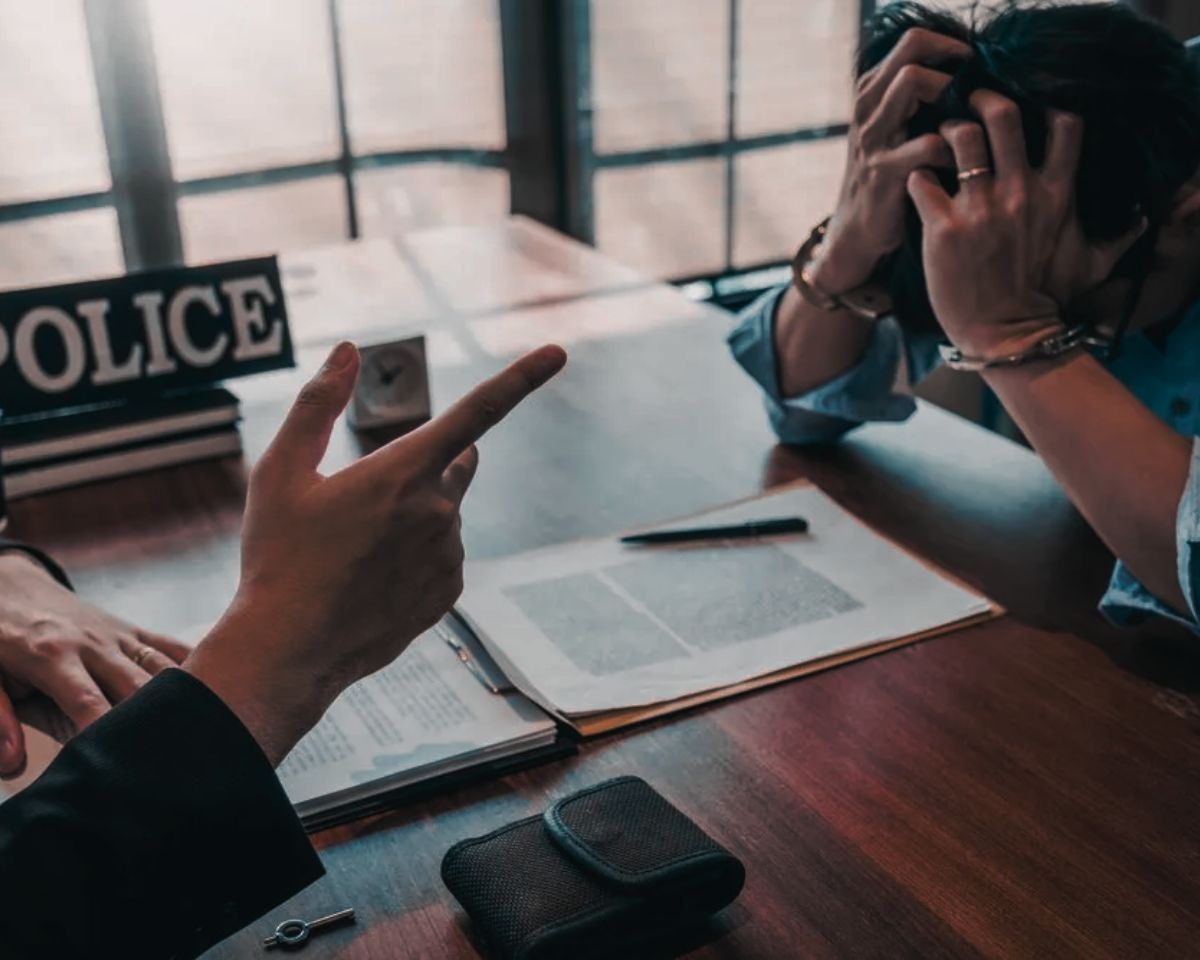
If you’ve been placed on probation in California, you might be wondering what will happen if you violate its terms. The consequences of a probation violation can vary widely, depending on the nature of the violation, your previous criminal history, and other factors. In this blog, we’ll break down what happens when you violate probation, the potential penalties you may face, and what steps to take if you find yourself in this situation.
What Is Probation in California?
Probation is a court-ordered sanction that allows an individual convicted of a crime to serve their sentence under supervision, rather than in jail or prison. In California, probation is often granted to individuals convicted of non-violent crimes, but it may also apply to some individuals convicted of more serious offenses, depending on the circumstances.
Probation typically comes with a list of conditions, which might include requirements like checking in regularly with a probation officer, attending counseling, avoiding criminal activity, maintaining employment, and staying drug- or alcohol-free. Probation’s goal is to rehabilitate offenders and reintegrate them into society while still holding them accountable for their actions.
What Constitutes a Probation Violation?
A probation violation occurs when an individual fails to meet the terms or conditions set by the court. Some common examples of probation violations in California include:
-
Failure to Report to Probation Officer: Not checking in with your probation officer as required.
-
Committing a New Crime: Being arrested or convicted of a new crime while on probation.
-
Drug or Alcohol Use: Testing positive for illegal drugs or alcohol, especially if your probation prohibits it.
-
Failure to Attend Court-Ordered Programs: Not completing mandated programs such as drug treatment, anger management, or domestic violence counseling.
-
Failure to Make Required Payments: Not paying court-ordered fines, restitution, or probation fees.
-
Missing Court Dates or Appointments: Failing to attend scheduled court hearings or meetings with your probation officer.
What Happens When You Violate Probation in California?
When the court learns of a probation violation, a probation violation hearing is usually scheduled. This hearing allows the judge to determine whether you actually violated your probation and what the consequences will be. The penalties can vary depending on the severity of the violation, but here are the most common outcomes:
1. Probation Violation Hearing
If you’re accused of violating probation, the court will hold a hearing where the prosecution must prove that the violation occurred. At this hearing, you’ll have an opportunity to present your case, and your attorney can help you argue that either no violation occurred or that the violation should be handled in a more lenient way.
The burden of proof in a probation violation hearing is lower than in a criminal trial. In a criminal trial, the prosecution must prove guilt beyond a reasonable doubt, but in a probation violation hearing, the judge only needs to determine that it is more likely than not that you violated the terms of your probation.
2. Possible Outcomes of a Probation Violation
Depending on the circumstances of your case, you could face a variety of outcomes. The judge has a range of options available for handling a probation violation, and some of the most common consequences include:
Warnings and Modifications
In some cases, the judge may simply issue a warning and adjust the terms of your probation. For example, the court may add stricter conditions or require you to make additional check-ins with your probation officer. This can happen if the violation is minor or if the court believes you can still comply with the terms of probation without serving jail time.
Extension of Probation
If the judge finds that you violated probation but believes you still have a chance to complete the terms of probation successfully, they may choose to extend the probation period. This means you will be under supervision for a longer period, which can affect your ability to move forward with your life.
Jail or Prison Time
For more serious violations, such as committing a new crime while on probation or repeatedly violating the terms of probation, the court may revoke probation and impose the original sentence. This means you could be sent to jail or prison to serve your original sentence.
-
Misdemeanor Violations: If the violation was related to a misdemeanor, you could face up to one year in county jail.
-
Felony Violations: If the violation was tied to a felony offense, you could face a longer prison sentence.
Additional Fines or Fees
Along with jail or prison time, you may also face additional fines, restitution payments to victims, or other fees imposed by the court. These fines can add up quickly and may be difficult to manage, especially if you are already struggling with other conditions of probation.
Conviction and Permanent Record
In some extreme cases, violating probation could result in a conviction being formally entered on your record, which could have lasting consequences for your future. A conviction can affect employment opportunities, your ability to travel, and your standing in the community.
What to Do If You Are Accused of Violating Probation
If you have been accused of violating your probation, it’s essential to take the situation seriously. Here are the key steps you should take to protect yourself:
1. Contact a Probation Violation Lawyer
The most important thing you can do if you’re facing a probation violation is to contact an experienced probation violation lawyer. An attorney specializing in probation violations can help you understand the charges against you, represent you in court, and fight to minimize any penalties. With a lawyer’s help, you may be able to avoid jail time or reduce the consequences of a violation.
2. Attend the Hearing
If a probation violation hearing is scheduled, you must attend. Missing the hearing will only make the situation worse and could result in further penalties. If you cannot attend for a legitimate reason, contact the court immediately and request a new date.
3. Show Efforts to Address the Violation
If the violation involved issues such as substance abuse, anger management, or mental health issues, the court may be more lenient if you can show that you’re actively addressing the problem. Voluntarily enrolling in a rehabilitation program or attending counseling can demonstrate to the court that you are taking responsibility for your actions and are committed to making changes.
4. Prepare Your Defense
Working with your attorney, you’ll need to prepare a defense for the probation violation hearing. There may be mitigating factors or mistakes in the accusation that your lawyer can challenge. An experienced attorney can help ensure that your side of the story is heard and that you have the best chance of avoiding serious consequences.
Can You Avoid Jail Time for a Probation Violation?
Jail time is a potential consequence of violating probation, but it is not always inevitable. Depending on the violation and your efforts to comply with the court’s orders, it’s possible to avoid jail time. In some cases, a judge might order house arrest, community service, or additional probation conditions instead of imprisonment, especially if you can show that you are committed to rehabilitation.
A skilled probation violation lawyer can help you negotiate with the prosecution and advocate for more lenient options, increasing the chances of avoiding jail time.
How a Probation Violation Attorney Can Help
An experienced California probation violation lawyer can be your best resource if you’ve been accused of violating probation. A lawyer can:
-
Review the Violation: Help you understand the specifics of the probation violation and whether you have a valid defense.
-
Represent You in Court: Attend hearings and advocate for your case in front of the judge.
-
Negotiate: Work with the prosecution to potentially reduce charges or propose alternatives to jail time.
-
Provide Guidance: Offer advice on how to demonstrate compliance, such as entering a treatment program or completing community service.
Conclusion
Violating probation in California can lead to serious consequences, including extended probation, fines, and even jail or prison time. However, the outcome depends on the nature of the violation and your prior history. If you are facing a probation violation, having an experienced probation violation lawyer by your side is essential. A skilled attorney can help you navigate the legal process, minimize penalties, and work toward the best possible outcome.
Call to Action
If you’re facing a probation violation or need legal assistance with any probation-related matters in Southern California, contact Southwest Legal today. Our team of experienced probation violation attorneys is ready to help you protect your rights and achieve the best possible outcome. Don’t face the consequences alone – call us now for a free consultation!