


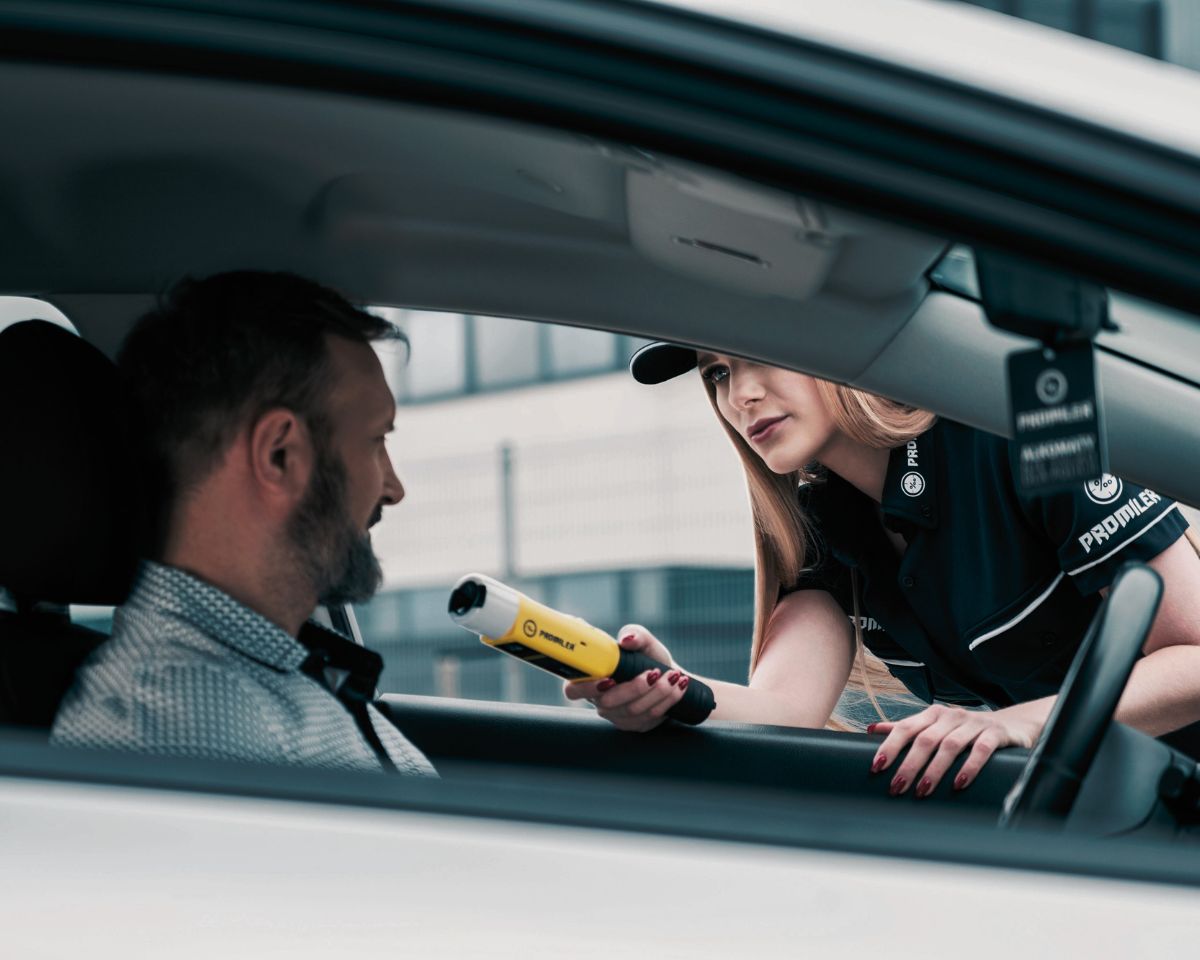
If you drive in California, it’s important to understand what “implied consent law” means, especially if you are ever suspected of driving under the influence (DUI). Many drivers are unaware that refusing a chemical test after a DUI arrest can carry severe consequences, both administratively and criminally. This guide will provide a clear, detailed explanation of implied consent, what happens if you refuse testing, and what actions you can take to protect your rights.
What Is Implied Consent Law in California?
In California, implied consent refers to the legal principle that by operating a motor vehicle, you automatically agree to submit to chemical tests—such as breath, blood, or urine—if law enforcement suspects you of DUI and arrests you. In other words, your driver’s license itself represents your consent to such tests.
Here’s how implied consent works in practice:
-
If you are lawfully arrested for DUI, you are presumed to have agreed to submit to chemical testing to determine your blood alcohol concentration (BAC) or the presence of drugs in your system.
-
This includes breath, blood, and sometimes urine tests, depending on the situation.
-
Officers are required to inform you of your rights and the consequences of refusing before administering a post-arrest chemical test.
It’s important to note that implied consent applies after a lawful arrest, not during a routine traffic stop. Pre-arrest field sobriety tests or handheld breath tests are generally voluntary unless special conditions apply, such as being under 21 or on DUI probation.
Why Implied Consent Law Matters
Implied consent laws are designed to help law enforcement reduce impaired driving and protect public safety. By requiring drivers to submit to chemical testing after an arrest, these laws:
-
Ensure accurate measurement of BAC or drug levels
-
Provide evidence for DUI prosecutions
-
Help reduce traffic fatalities and injuries caused by impaired driving
However, failing to comply with implied consent laws triggers serious administrative and criminal consequences.
Consequences of Violating the Implied Consent Law
If you refuse a chemical test after a DUI arrest, you face two main types of penalties in California: administrative penalties from the DMV and criminal enhancements in DUI cases.
1. Administrative Penalties (DMV Actions)
The California Department of Motor Vehicles can impose penalties independent of your criminal case. These actions affect your driving privileges and apply even if your DUI case is eventually dismissed.
License Suspension or Revocation:
| Refusal Count (in 10 years) | DMV Action |
|---|---|
| First Refusal | 1-year suspension |
| Second Refusal | 2-year revocation |
| Third or More Refusals | 3-year revocation |
Key Points About DMV Penalties:
-
You will receive a notice of suspension or revocation immediately after refusal.
-
If you do not challenge the notice through a DMV hearing, your license will be suspended.
-
These penalties are administrative, not criminal, and usually start even if your DUI case is still pending.
-
You may request a hearing to contest the suspension, but timing is critical to prevent automatic loss of driving privileges.
2. Criminal Penalties (DUI Enhancements)
Refusing a chemical test also leads to enhanced penalties if you are convicted of DUI. These enhancements can include:
Additional Jail Time:
-
First DUI refusal: up to 48 hours extra in jail
-
Second refusal: up to 96 hours extra
-
Third refusal: up to 10 days extra
-
Fourth or more refusals: up to 18 days extra and potential felony charges
Fines and Mandatory Programs:
-
Refusal can result in higher fines on top of standard DUI fines
-
Longer mandatory DUI education or treatment programs may apply
Important Considerations:
-
Criminal enhancements apply only if you are convicted of DUI.
-
Refusal can also be used against you in court to demonstrate non-compliance, potentially making your defense more challenging.
Officer’s Duty and Your Rights
Before administering a chemical test, officers are required to inform you of:
-
Your right to choose between breath or blood testing
-
The fact that you are not entitled to an attorney prior to testing
-
That refusal may be used against you in court
-
The administrative penalties for refusing the test
-
The enhanced criminal penalties that apply if convicted of DUI
If the officer fails to properly advise you, it may provide grounds to challenge the penalties, making it important to document interactions carefully.
Can You Refuse Any Tests?
Yes, but only in limited circumstances:
-
Pre-arrest tests, such as field sobriety exercises or preliminary handheld breath tests, are usually voluntary. Refusing them generally does not trigger implied consent penalties.
-
Post-arrest chemical tests are mandatory under implied consent. Refusal at this stage will trigger administrative and potentially criminal consequences.
Why Refusal Is Usually Not a Smart Strategy
Some people believe refusing a chemical test will improve their chances of beating a DUI case, but in most cases, it does the opposite:
-
Refusal can be used as evidence against you in court
-
Law enforcement can often obtain a warrant to take your blood anyway
-
You still face automatic license suspension and other administrative burdens
Many DUI defense strategies involve taking the test while challenging its accuracy or the circumstances under which it was administered rather than outright refusal.
How to Respond to a Refusal Notice
If you are facing an implied consent violation:
-
Request a DMV hearing immediately to contest the suspension or revocation.
-
Consult an experienced DUI attorney to review the legality of your stop, the officer’s advisements, and potential procedural errors.
-
Act quickly to protect your driving privileges and ensure you have the best chance of minimizing penalties.
Key Takeaways
-
By driving in California, your license signifies that you have agreed to submit to chemical testing if lawfully arrested for DUI.
-
Refusing a post-arrest chemical test triggers automatic DMV license suspension or revocation.
-
Refusal can also lead to enhanced DUI penalties if you are convicted.
-
Pre-arrest field sobriety or handheld tests generally do not trigger implied consent penalties.
-
Immediate action, including requesting a DMV hearing and consulting a DUI attorney, is critical to protect your rights.
Final Thoughts
Understanding implied consent violations is essential for anyone driving in California. Refusing a chemical test is not a simple choice—it carries real and significant consequences that can affect your freedom, your driving privileges, and your future.
The best way to protect yourself is to know your rights, act quickly, and consult a skilled DUI defense attorney who can guide you through both administrative and criminal processes.
Take Action Today
If you are facing a DUI arrest or implied consent violation in Southern California, Southwest Legal can provide expert legal guidance to help protect your rights and minimize the impact on your life. Don’t wait—contact us today for a free consultation and take the first step toward a strong defense.