


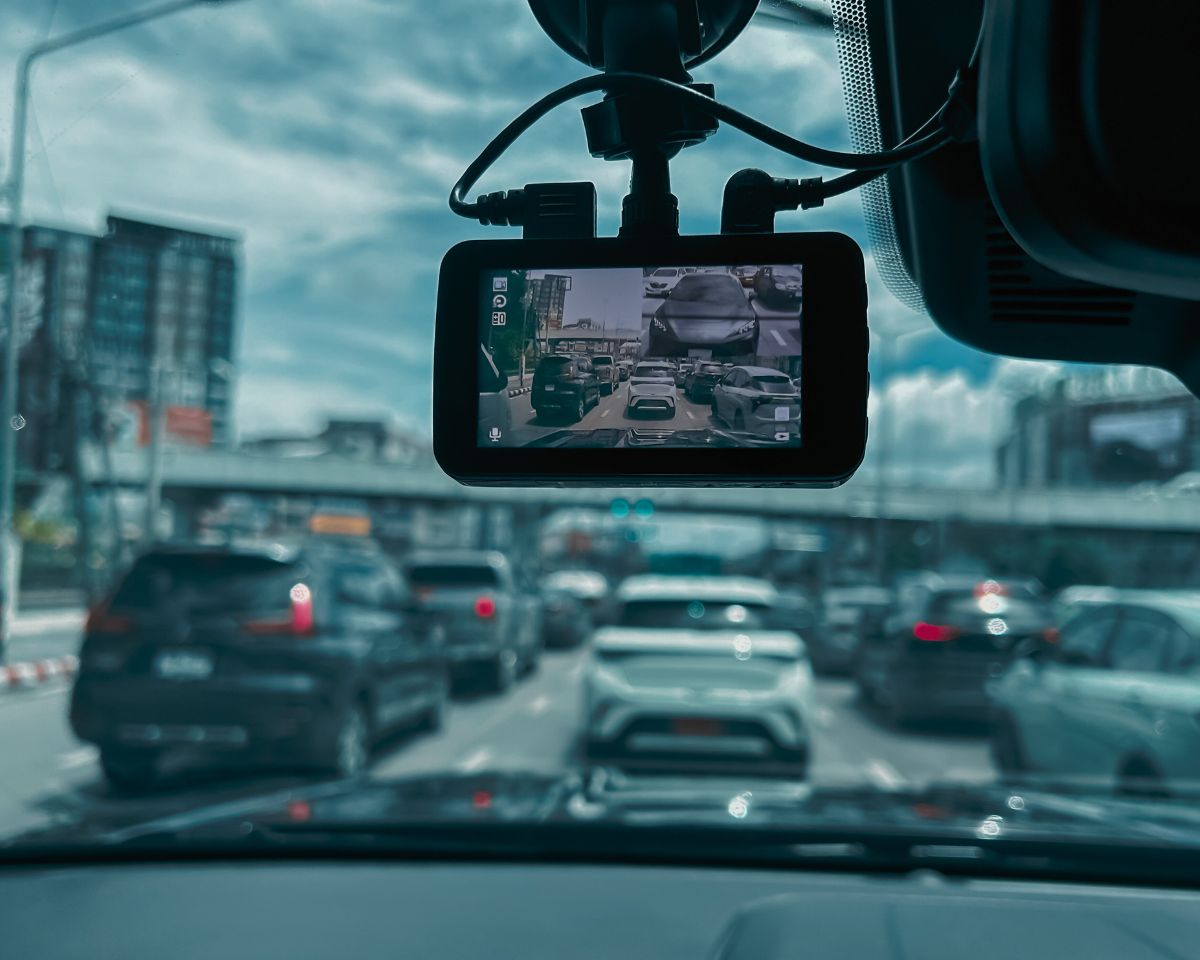
If you were recently pulled over, arrested for DUI, or charged with a traffic or criminal offense in California, you’re likely searching for anything that can help you fight back. One key piece of evidence that could play a major role in your defense is called MVARS — short for Mobile Video Audio Recording System. These systems include dashcams and body-worn cameras used by law enforcement officers during traffic stops and arrests. What most people don’t realize is that these recordings can be reviewed, challenged, and sometimes used to your advantage in court. Understanding what MVARS is, how it works, and how to obtain it can make a significant difference in the outcome of your case.
What Is MVARS?
MVARS stands for Mobile Video Audio Recording System, which refers to the onboard dash cameras and body-worn microphones and cameras that police officers use to document their interactions with the public. In California, many law enforcement agencies use MVARS to record everything from traffic stops to DUI investigations, arrests, and vehicle searches. These recordings typically include both video and audio, capturing conversations, field sobriety tests, and behavior on both sides of the encounter.
MVARS is designed to promote transparency and protect both officers and civilians, but it’s also become a valuable piece of evidence in many criminal and traffic cases.
When Is MVARS Used?
MVARS systems are activated in a variety of situations. Some common scenarios include:
-
DUI investigations
-
Routine traffic stops
-
Vehicle searches
-
Physical arrests
-
Suspect transport in patrol cars
-
High-speed chases or pursuits
-
Allegations of resisting arrest or obstruction
In many cases, police dashcams begin recording automatically when the patrol car’s lights are turned on. Body-worn cameras may be manually activated by the officer or programmed to begin recording during certain triggers like drawing a weapon or starting a pursuit.
How MVARS Can Help Your Defense
MVARS footage is often one of the most objective pieces of evidence available in your case. Officers may write reports or give testimony based on memory, which can be inaccurate or biased. But video doesn’t lie.
Here are several ways MVARS could help your defense:
1. Contradicting the Officer’s Report
If an officer claims you were slurring your speech or stumbling during a DUI stop, but the video shows you were speaking clearly and standing steadily, it can raise serious questions about the credibility of their report.
2. Challenging Field Sobriety Tests
Video can show whether field sobriety tests were administered correctly. If the officer didn’t explain the tests properly or gave confusing instructions, the results may be unreliable — and the footage can prove it.
3. Proving Consent Was Not Given
In search and seizure cases, police often claim a suspect gave “verbal consent” to a search. If MVARS shows that no such consent was given, or that you were coerced or misled, any evidence found during the search may be thrown out.
4. Showing Police Misconduct
Bodycam or dashcam footage can also reveal excessive force, unlawful commands, or intimidation tactics — all of which can be used to suppress evidence or have charges reduced or dismissed.
5. Providing Context to an Arrest
MVARS can help show what happened before, during, and after an arrest. This full picture can be crucial if you’re accused of resisting arrest or obstructing an officer.
Examples of MVARS Making a Difference
Imagine a DUI case where an officer claims a driver was “visibly intoxicated” and “unable to follow directions.” The MVARS footage, however, shows the driver communicating clearly, cooperating, and performing the tests calmly. That could completely change how the case is viewed in court.
Or consider a traffic stop where an officer accuses a driver of making an unsafe lane change. The dashcam video shows the driver using their signal and changing lanes safely. This footage can be the key to getting a traffic citation dismissed.
Can MVARS Ever Hurt Your Case?
It’s possible. If MVARS footage shows clear signs of impairment, aggression, or refusal to cooperate, the prosecution may use that to strengthen their case. However, a skilled defense attorney can often put the footage into context, challenge its admissibility, or point out flaws in how it was collected or interpreted.
Even when the footage looks bad at first glance, it may still support important legal defenses — such as violations of your rights, improper procedures, or failure to read Miranda warnings.
How to Get MVARS Footage in California
MVARS footage is not automatically handed over to defendants. Your attorney will need to file a formal discovery request to obtain it from the law enforcement agency or district attorney’s office. In some cases, especially if there’s evidence of police misconduct, your attorney may also file a Pitchess motion to request additional personnel records.
Time is critical — many agencies automatically delete footage after a certain period unless it’s preserved. That’s why it’s important to contact a defense attorney quickly to ensure the footage is requested before it’s lost.
Why You Need an Attorney Who Understands MVARS
Reviewing and using MVARS footage effectively requires legal experience. An attorney must know how to:
-
Request and preserve the footage correctly
-
Review the content frame by frame
-
Compare it with the officer’s report for inconsistencies
-
Use it in negotiations or at trial to cast doubt on the prosecution’s case
At Southwest Legal, we know how to fight DUI and traffic charges using every available piece of evidence — especially MVARS footage. We’ve helped many clients in situations where video evidence made all the difference.
Don’t Let One Moment Define Your Future — Let Southwest Legal Help
If you’ve been charged with DUI, a criminal offense, or a traffic violation in California, don’t assume the police report tells the whole story. MVARS footage might reveal something entirely different — and it could be the key to reducing or even dismissing your charges.
Let Southwest Legal fight for your rights. We are experienced California defense attorneys who understand the importance of video evidence in building a strong legal defense. We’ll act quickly to secure the footage, review it for inconsistencies, and use it strategically in your case. Call us today at for a free, confidential consultation. Let us help you uncover the truth — and protect your future.