


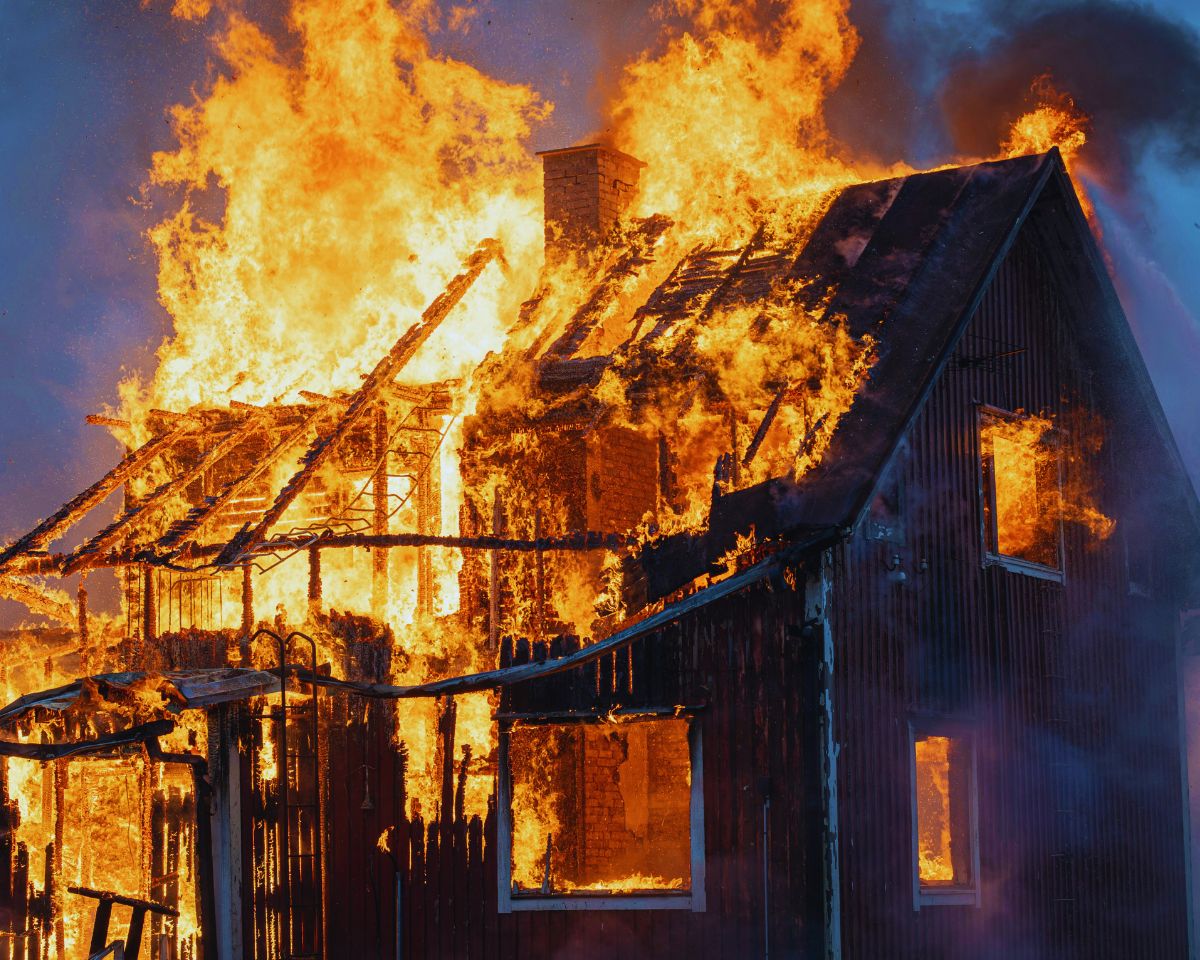
Why arson is treated seriously in California. Arson isn’t just about starting a fire. It’s a serious criminal act with consequences that can be devastating to people, property, and entire communities. California, in particular, is highly sensitive to the dangers of fire due to its geography, climate, and history of wildfires.
Because of this, state law comes down hard on arson offenses. This article explains what makes arson a felony in California, how the law is structured, and what someone charged with this crime should understand from a defense perspective.
Understanding Arson Under California Law
California law defines arson as the willful and malicious act of setting fire to a structure, forest land, or property. For an act to be considered arson, it must meet specific criteria:
-
The fire must be deliberately set. This means the person intended to start the fire.
-
There must be malicious intent. The act must be done with the purpose of causing injury, damage, annoyance, or fraud.
Even if the damage is minimal—such as slight charring—an individual can still be charged with arson if both intent and malice are present.
When Arson Becomes a Felony in California
In California, arson is typically charged as a felony. However, the seriousness of the charges depends on several factors, including the type of property burned and whether anyone was injured.
Arson Causing Great Bodily Injury
When a fire causes serious physical harm to another person, the arson charge carries the most severe penalties. The law considers this one of the gravest forms of arson.
Arson of Inhabited Property or Structures
Setting fire to a building or property that someone lives in or occupies can lead to lengthy prison time, even if no one is injured. The presence of people significantly increases the danger, which makes this charge more serious.
Arson of Uninhabited Structures or Forest Land
Even if a structure or area of land is not occupied at the time, deliberately setting fire to it is still a felony. Wildfires and brushfires can quickly get out of control and spread to inhabited areas, which is why the law does not take this lightly.
Arson of Personal Property
Setting fire to personal property, like a vehicle or a pile of belongings, may also be a felony depending on the circumstances—especially if the intent was to commit fraud, like insurance scams, or if the act posed danger to others.
Aggravating Factors That Increase Penalties
Some arson cases are considered even more dangerous or destructive and are punished accordingly.
This applies when someone intentionally sets a fire and meets at least one of the following conditions:
-
Caused multiple injuries or destroyed several inhabited structures
-
Has a prior arson conviction within a certain timeframe
-
Created property damage exceeding a large financial threshold
-
Set a fire during conditions likely to cause massive spread (such as high winds or dry areas)
This charge can result in a life sentence in prison, depending on the severity and specific facts.
The Role of Recklessness in Arson Charges
Not all fire-related offenses involve intent to cause harm. California also recognizes reckless burning, which occurs when someone starts a fire not out of malice, but through irresponsible or dangerous behavior.
Examples might include:
-
Leaving a campfire unattended during a fire ban
-
Discarding a lit cigarette in dry brush
-
Operating fireworks during a drought
If the fire causes damage or injury, the person responsible can still be charged—sometimes with a felony—even though they didn’t mean to cause harm.
Legal Penalties for Felony Arson in California
The penalties for arson vary based on the circumstances but typically involve prison time, fines, and long-term consequences.
-
Causing great bodily injury: Up to 9 years in state prison
-
Burning inhabited structures: Up to 8 years
-
Burning uninhabited structures or forest land: Up to 6 years
-
Burning personal property: Up to 3 years
Arson convictions also come with:
-
Mandatory registration as an arson offender in some cases
-
Restrictions on employment and housing opportunities
-
Loss of the right to own firearms
-
Possible deportation for non-citizens
Some forms of arson are considered “strike offenses” under California’s Three Strikes Law, which can dramatically increase penalties for future convictions.
Common Legal Defenses in Arson Cases
A criminal defense attorney will examine the specific details of the case to identify any legal weaknesses or opportunities for dismissal or reduction of charges. Common defenses include:
Lack of Intent
If the fire was started by accident, and the person did not act with malice or criminal recklessness, it may not qualify as arson.
Faulty Investigation
Sometimes, fires are mistakenly labeled as arson when they are the result of natural causes, electrical malfunctions, or accidents. Fire investigations must be thorough and scientifically sound.
Misidentification
Eyewitness mistakes, faulty surveillance, or assumptions based on circumstantial evidence can lead to wrongful accusations.
Alibi or Lack of Evidence
If the prosecution cannot prove beyond a reasonable doubt that the accused person set the fire, the case may not hold up in court.
The Importance of Legal Representation
Arson cases are highly technical and fact-dependent. Prosecutors often rely on expert testimony from fire investigators, and the penalties are severe. For anyone facing these charges, working with an experienced criminal defense attorney is essential.
An attorney can:
-
Challenge the evidence presented
-
Negotiate with prosecutors for lesser charges
-
Advocate for alternatives to incarceration, such as treatment or restitution
-
Ensure the defendant’s rights are protected throughout the legal process
Conclusion:
Felony Arson Is a Serious Crime with Serious Consequences. In California, arson is taken very seriously—and for good reason. The state’s history with destructive wildfires has shaped tough legislation and aggressive enforcement. Whether the fire is set intentionally or through recklessness, the legal consequences can be life-changing.
If you or someone you know is facing arson charges, it’s critical to act quickly. Understanding the law is just the first step—consulting with a skilled defense attorney can make all the difference.
Need Legal Help? Call Southwest Legal Today
If you or someone you care about is facing arson charges in California, don’t wait. Southwest Legal has extensive experience defending clients against felony charges, including complex arson cases.
Our team knows how to challenge faulty investigations, suppress unreliable evidence, and fight for your rights at every stage of the process. Whether you’re under investigation or already charged, we provide:
-
Aggressive criminal defense
-
Clear, honest legal guidance
-
Personalized strategies focused on results
-
24/7 availability for urgent legal matters
Call us today for a free consultation and to speak directly with a skilled criminal defense attorney. Your future is worth defending—let us help.