


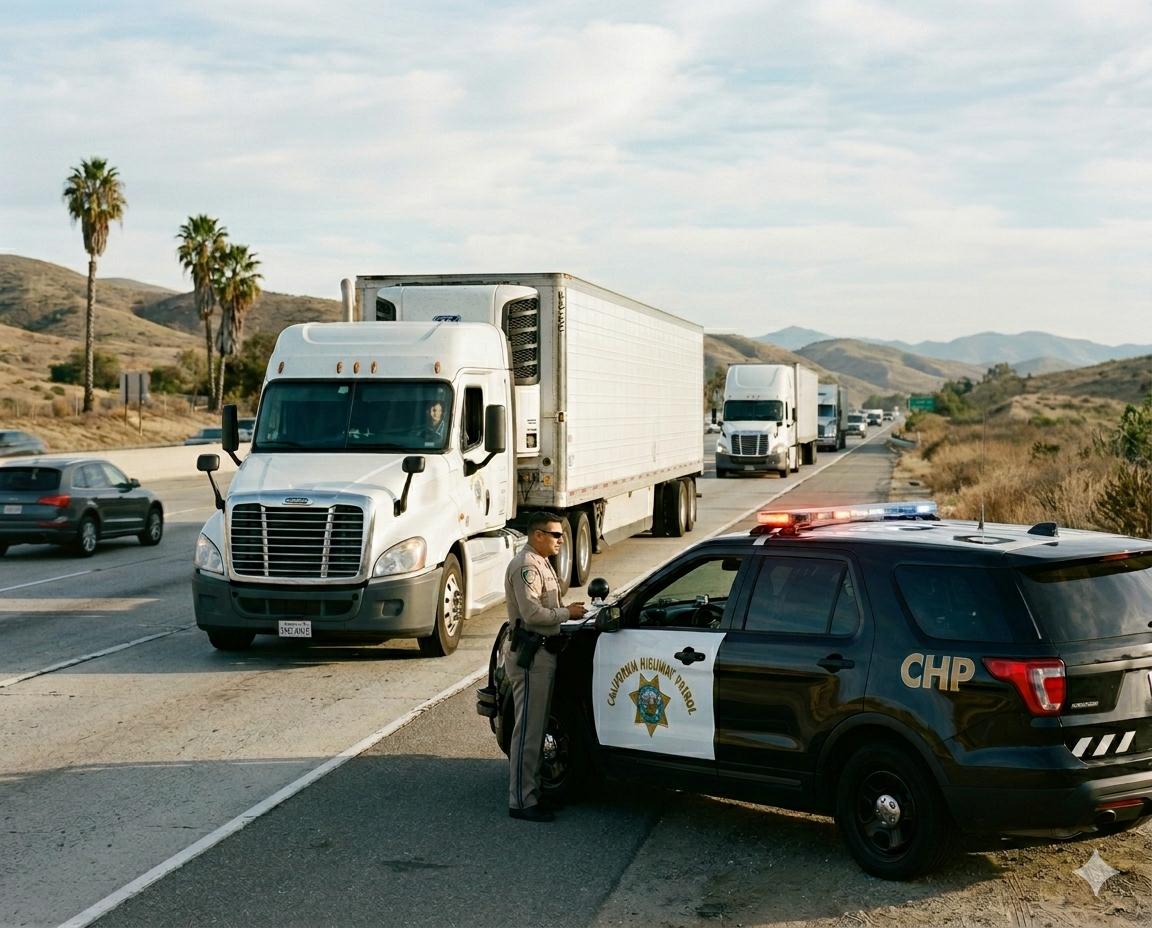
Understanding California traffic and commercial vehicle laws is important for drivers, especially those operating trucks, freight carriers, or other regulated vehicles. One statute that often raises questions is California Vehicle Code § 42002.1, which deals with penalties for failing to stop and submit to a lawful vehicle inspection.
Although it is not one of the most commonly cited traffic laws, it plays an important role in enforcing road safety and ensuring compliance with inspection requirements in California.
This guide explains what the law means, who it applies to, possible penalties, and common defenses in a clear and easy-to-understand way.
What Is California Vehicle Code § 42002.1?
California Vehicle Code § 42002.1 is a law that imposes penalties on certain drivers who fail to stop and comply with a lawful inspection order after having prior qualifying traffic violations.
In simple terms, this law applies when:
- A driver is legally required to stop for a vehicle inspection, and
- The driver refuses or fails to stop, and
- The driver has a prior history of specific traffic-related offenses.
This statute is mainly used in the context of commercial vehicle enforcement, where inspections are conducted to ensure safety compliance, proper loading, and adherence to state regulations.
Who Can Be Charged Under This Law?
Not every driver is subject to this law. It is generally applied in more specific circumstances involving commercial transportation and repeat violations.
A driver may fall under this statute if:
- They are operating a commercial motor vehicle, and
- They have prior convictions involving failure to obey lawful traffic or enforcement orders, and
- They later refuse or fail to stop for an official inspection.
This makes the law more targeted toward drivers who repeatedly ignore lawful enforcement actions.
What Does “Failure to Stop for Inspection” Mean?
This law focuses on a driver’s refusal or failure to stop when legally required to do so for inspection purposes.
Common situations include:
Ignoring Inspection Stations
Commercial vehicles are often required to stop at weigh stations or roadside inspection points. Driving past these checkpoints without stopping can trigger enforcement action.
Refusing a Lawful Officer Command
If a law enforcement officer or authorized inspector signals a driver to pull over for inspection, the driver must comply.
Avoiding Safety or Compliance Checks
Inspections may involve checking vehicle weight, brakes, lights, cargo security, or other safety-related systems. Avoiding these checks can result in legal consequences.
Purpose of the Law
The main goal of this statute is to protect public safety.
California relies heavily on commercial transportation, and large vehicles can pose serious risks if they are unsafe or improperly maintained. This law helps ensure:
- Unsafe vehicles are identified and removed from the road
- Drivers comply with weight and safety regulations
- Repeat violators are held accountable
- Highway safety standards are enforced consistently
It is designed to prevent dangerous conditions before they lead to accidents or road hazards.
Penalties for Violating Vehicle Code § 42002.1
The penalties increase based on how many times the driver has violated the law within a one-year period.
First Violation
- Fine up to $50, or
- Up to 5 days in county jail
This is generally considered the least severe level of punishment.
Second Violation Within One Year
- Fine up to $100, or
- Up to 10 days in county jail, or both
At this stage, the court treats the behavior as repeated noncompliance.
Third or More Violations Within One Year
- Fine up to $500, and/or
- Up to 6 months in county jail
Multiple violations within a short time period can lead to serious consequences, including possible jail time.
Is This a Criminal Charge?
Yes. Violations of this statute are typically treated as misdemeanor offenses.
A conviction may result in:
- A criminal record
- Fines and court penalties
- Possible jail time
- Negative impact on commercial driving opportunities
For professional drivers, even a misdemeanor can affect employment and licensing opportunities.
Possible Defenses to a Charge Under This Law
Several legal defenses may apply depending on the circumstances of the case.
No Valid Prior Convictions
The law requires certain prior offenses before it can apply. If these are not present, the charge may not be valid.
Improper or Unlawful Stop
If the inspection stop was not conducted by a properly authorized officer or was not lawful, the charge may be challenged.
Emergency Circumstances
If the driver could not stop due to a genuine emergency such as medical distress or mechanical failure, this may be a strong defense.
Lack of Awareness
If the driver did not reasonably see or understand the instruction to stop, intent may be questioned.
Vehicle Malfunction
If the vehicle was unable to stop safely due to mechanical failure, this may reduce or eliminate liability.
Related California Traffic Laws
This statute is often connected with other Vehicle Code sections, including:
- Laws requiring compliance with law enforcement instructions
- Regulations on vehicle size, weight, and safety compliance
- Rules requiring drivers to stop at inspection stations
These related laws help form the foundation for enforcement actions involving commercial vehicles.
Why This Law Matters
Although the penalties may seem relatively minor at first, this law has serious implications for drivers who repeatedly violate traffic safety rules.
It is important because it:
- Reinforces compliance with safety inspections
- Protects other drivers on the road
- Holds repeat violators accountable
- Supports safe commercial transportation systems
For commercial drivers, compliance is essential to avoid legal trouble and maintain a clean driving record.
Key Takeaways
- California Vehicle Code § 42002.1 applies mainly to commercial drivers with prior violations.
- It penalizes failure to stop for lawful vehicle inspections.
- Penalties increase with repeat violations within a one-year period.
- The law can lead to misdemeanor charges and possible jail time.
- Defenses may apply depending on legality of the stop and circumstances of the incident.
Final Thoughts
California Vehicle Code § 42002.1 is an important enforcement tool designed to ensure that commercial drivers comply with inspection requirements. While it may not apply to all drivers, those in the trucking and transportation industry should be fully aware of its implications.
Understanding this law can help drivers avoid penalties, protect their driving record, and stay compliant with California safety regulations.
Contact Southwest Legal
If you or someone you know has been charged under California Vehicle Code § 42002.1 or any related traffic offense, it is important to seek professional legal guidance as soon as possible.
At Southwest Legal, our team understands California traffic and commercial vehicle laws and is committed to helping clients protect their rights and their driving records. Whether you are facing fines, misdemeanor charges, or concerns about your commercial driving status, we are here to help you navigate the legal process with confidence.
Contact us today for a free consultation to discuss your case and get the legal support you need.
Disclaimer: This article is for general informational purposes only and does not constitute legal advice or create an attorney-client relationship. No attorney-client relationship is formed unless and until the firm and client enter into an agreement for legal services. Laws may change, and legal outcomes depend on the specific facts of each case. Consult a qualified attorney for advice regarding your situation.