


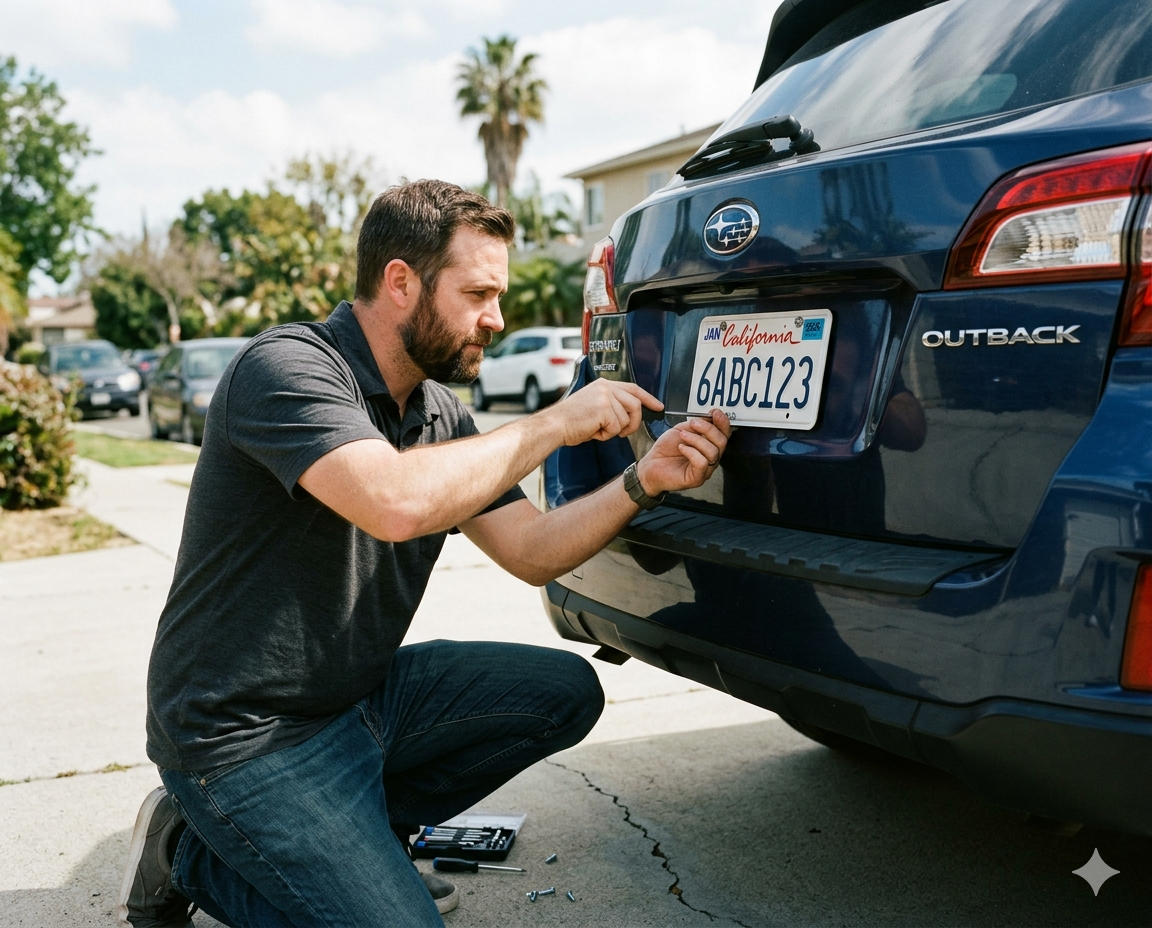
Driving in California comes with specific legal responsibilities, including complying with the state’s license plate laws. One of the most important statutes governing vehicle plate display is California Vehicle Code § 5201, which explains how license plates must be mounted, displayed, and maintained on a vehicle.
Many drivers are surprised to learn they can receive a citation for issues such as:
- Missing front license plates
- Tinted license plate covers
- Dirty or obstructed plates
- Loose mounting hardware
- Frames that block registration stickers
Understanding California Vehicle Code § 5201 can help drivers avoid unnecessary tickets, vehicle stops, and fines. This guide explains the law, including common violations, penalties, legal requirements, and frequently asked questions.
What Is California Vehicle Code § 5201?
California Vehicle Code § 5201 is the law that regulates how license plates must be attached and displayed on vehicles registered in California.
The statute requires that license plates be:
- Securely fastened to the vehicle
- Clearly visible
- Easily readable
- Mounted upright
- Positioned so characters are displayed from left to right
The law applies to both permanent and temporary license plates.
Why California License Plate Laws Matter
License plates are used by law enforcement agencies, toll systems, parking enforcement, and traffic cameras to identify vehicles. When a plate is blocked, damaged, altered, or improperly mounted, it can interfere with vehicle identification and public safety systems.
For that reason, California law enforcement agencies actively enforce plate visibility and mounting regulations.
Even a seemingly minor issue—such as a decorative frame covering part of the word “California”—may lead to a citation.
Requirements Under California Vehicle Code § 5201
License Plates Must Be Securely Fastened
The law requires license plates to be firmly attached to the vehicle.
Plates should not:
- Swing loosely
- Hang by one screw
- Be taped to the vehicle
- Sit unsecured inside a window
Proper mounting hardware should always be used to ensure the plate remains stable while driving.
Some drivers temporarily attach plates using zip ties or adhesive materials, but these methods may not satisfy legal requirements if the plate becomes unstable or difficult to read.
Plates Must Be Clearly Visible
Visibility is one of the most important parts of VC § 5201.
The plate must remain visible at all times so that:
- Law enforcement officers can identify the vehicle
- Automated toll systems can read the plate
- Parking and traffic cameras can capture the information
Several common items may accidentally obstruct a license plate, including:
- Bike racks
- Tow hitches
- Cargo carriers
- Decorative plate frames
- Dirt or mud buildup
Even partial obstruction may result in a traffic stop or citation.
License Plates Must Remain Legible
A plate must be readable both during the day and at night.
Drivers may receive citations if their plates are:
- Faded
- Scratched
- Bent
- Covered with reflective material
- Damaged by weather exposure
California plates use reflective coatings designed to improve nighttime visibility. When the coating peels or deteriorates, the plate may become difficult to read under headlights or cameras.
If a plate becomes worn or unreadable, vehicle owners should request replacement plates through the California DMV.
Plates Must Be Mounted Upright
California law requires plates to display characters from left to right in a normal horizontal position.
This means drivers should avoid:
- Upside-down plates
- Vertical mounting positions
- Sharp angled displays
Custom vehicle owners sometimes install side-mounted plates for appearance purposes, but improper orientation may violate the law if readability is reduced.
Does California Require a Front License Plate?
Yes. Most vehicles registered in California receive two license plates:
- One front plate
- One rear plate
If two plates are issued, both must generally be displayed on the vehicle.
This is one of the most common vehicle code violations in California, especially among drivers of luxury vehicles, sports cars, and Teslas who remove front plates for cosmetic reasons.
While some officers may issue warnings, others may issue citations or correctable “fix-it” tickets.
California License Plate Height Requirements
California law also regulates mounting height for license plates.
Generally:
- Rear plates must be mounted between 12 inches and 60 inches from the ground
- Front plates may not exceed 60 inches in height
These requirements help ensure visibility for law enforcement and automated systems.
Certain commercial or specialized vehicles may qualify for limited exceptions due to their design or structure.
Are License Plate Covers Illegal in California?
This is one of the most frequently searched questions regarding California plate laws.
Tinted or Smoked Plate Covers
Tinted license plate covers are risky in California and often lead to citations.
Even lightly smoked covers may:
- Reduce visibility
- Create glare
- Interfere with cameras
- Obstruct plate recognition
Because of these issues, law enforcement officers commonly stop vehicles with tinted covers.
Clear Plate Covers
Clear protective covers may still violate the law if they interfere with readability in any way.
A clear cover that reflects light, creates glare, or blocks camera recognition may still result in a citation under California law.
To avoid legal issues, many drivers choose not to use plate covers at all.
California Vehicle Code § 5201.1 – Obscuring a License Plate
California also has a related law known as Vehicle Code § 5201.1.
This statute specifically targets devices or modifications designed to obstruct or hide license plates.
The law prohibits:
- Plate-obscuring devices
- Electronic covers
- Reflective sprays
- Altered plate coatings
- Devices intended to defeat traffic cameras or toll readers
California has increased enforcement against these devices in recent years due to growing use of automated license plate reader systems.
Penalties for Violating VC § 5201
Violations of California Vehicle Code § 5201 are usually treated as infractions.
Possible consequences include:
- Traffic citations
- Fines
- Court fees
- Correctable fix-it tickets
If the issue is corrected quickly, drivers may be able to resolve the violation by showing proof of correction and paying a reduced administrative fee.
However, intentional plate obstruction or use of illegal obscuring devices can result in more serious penalties.
Common California License Plate Violations
Several license plate issues commonly lead to citations throughout California.
Missing Front License Plate
One of the most common violations, particularly among sports car owners.
Decorative Frames Blocking Information
Frames that cover:
- Registration stickers
- Plate numbers
- The word “California”
may violate the law.
Dirty or Mud-Covered Plates
Off-road vehicles, trucks, and vehicles driven in bad weather may accumulate debris that blocks visibility.
Drivers are responsible for keeping plates clean and readable.
Obstructed Plates from Bike Racks
Rear-mounted bike racks frequently block license plates without drivers realizing it.
This can create visibility issues and lead to citations.
Faded or Peeling Plates
Older California plates sometimes lose their reflective coating, making them difficult to read at night.
Can Police Pull You Over for a License Plate Violation?
Yes.
License plate violations provide legal grounds for a traffic stop in California.
An officer may stop a vehicle for:
- Missing plates
- Obstructed plates
- Illegible plates
- Improper mounting
- Expired registration tabs
- Illegal plate covers
In some situations, a simple plate violation may lead to additional investigation for unrelated offenses.
Temporary License Plates in California
California requires temporary paper plates for newly purchased vehicles until permanent plates are issued.
Temporary plates must also comply with visibility and mounting laws.
Drivers should ensure temporary plates are:
- Properly attached
- Clearly visible
- Free from obstruction
Taping a temporary plate inside a tinted rear window may create visibility problems and increase the risk of citation.
How to Avoid a California License Plate Ticket
Drivers can reduce their chances of receiving a citation by following a few simple steps.
Keep Plates Clean
Regularly remove dirt, mud, and debris.
Avoid Tinted Covers
Even light tinting may attract law enforcement attention.
Check Plate Frames
Ensure frames do not block any lettering, stickers, or numbers.
Replace Damaged Plates
If plates become faded, bent, or unreadable, request replacements through the DMV.
Secure Mounting Hardware
Loose screws or damaged brackets should be repaired immediately.
Can You Fight a VC § 5201 Citation?
In some cases, yes.
Drivers may challenge a citation if:
- The plate was still clearly visible
- The issue was temporary
- The vehicle qualified for an exception
- The obstruction was minimal
- The officer made an error
Many plate violations are correctable, allowing drivers to fix the issue and avoid larger penalties.
However, repeated violations or intentional obstruction may lead to stricter enforcement.
Frequently Asked Questions
Is it illegal to drive without a front license plate in California?
If California issued two plates for the vehicle, both must generally be displayed.
Are license plate frames illegal?
Not automatically. However, a frame may violate the law if it blocks any part of the plate or registration tabs.
Can I put my front plate on the dashboard?
Generally no. California law requires proper external mounting.
Are clear license plate covers legal?
They may still violate the law if they interfere with readability or create glare.
Can I get pulled over for a dirty plate?
Yes. If dirt or mud prevents the plate from being clearly read, officers may conduct a traffic stop.
Final Thoughts
California Vehicle Code § 5201 is designed to ensure that license plates remain visible, readable, and properly attached at all times. Although some violations may seem minor, California law enforcement agencies regularly issue citations for obstructed, missing, or improperly mounted plates.
Drivers can avoid unnecessary fines and legal complications by making sure their license plates are:
- Securely mounted
- Clearly visible
- Fully legible
- Free from obstruction
Staying compliant with California’s license plate laws is a simple but important part of responsible vehicle ownership.
Contact Southwest Legal
If you received a citation for violating California Vehicle Code § 5201 or are dealing with any other traffic-related legal matter, Southwest Legal is here to help. Our experienced legal team understands California traffic laws and works to protect drivers’ rights while helping clients navigate the legal process with confidence. Whether you are facing a license plate violation, traffic citation, or other vehicle code issue, we can help you understand your options and pursue the best possible outcome for your case.
Contact us today for experienced legal guidance and personalized support with your California traffic matter.
Disclaimer: This article is for general informational purposes only and does not constitute legal advice or create an attorney-client relationship. No attorney-client relationship is formed unless and until the firm and client enter into an agreement for legal services. Laws may change, and legal outcomes depend on the specific facts of each case. Consult a qualified attorney for advice regarding your situation.