


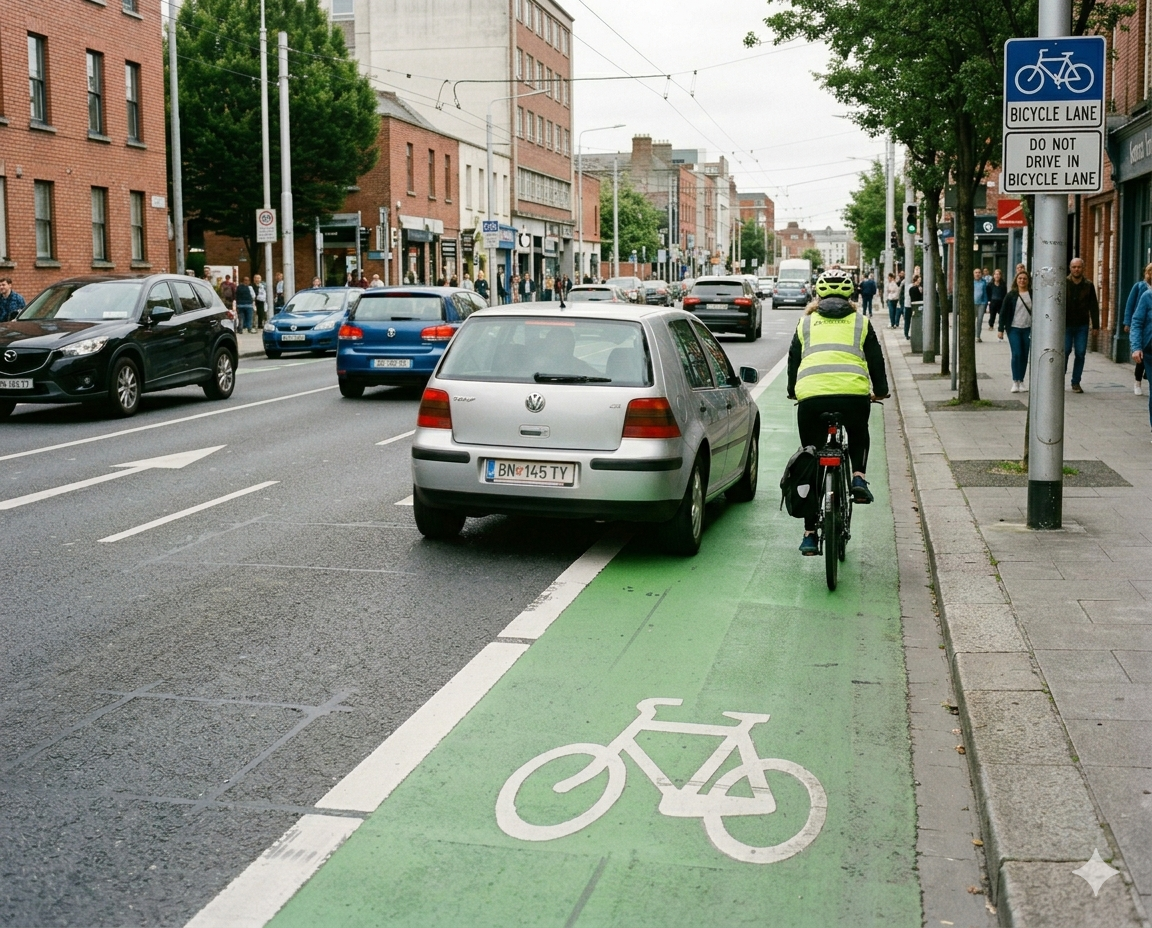
Bike lanes are everywhere in California cities, but many drivers still get confused about one basic question: when is it actually legal to enter them?
A quick mistake—like drifting into a bike lane while turning or trying to get around traffic—can lead to a ticket, an accident, or serious legal consequences. More importantly, it can put cyclists in danger in a space meant to protect them.
That’s where California Vehicle Code § 21209 comes in. This law sets the boundaries for when motor vehicles can and cannot use bicycle lanes, and it plays a major role in keeping California roads safe and organized.
This guide breaks down what the law allows, what it prohibits, and how both drivers and cyclists can avoid dangerous and costly mistakes on the road.
What California Vehicle Code § 21209 Means
California Vehicle Code § 21209 generally prohibits drivers from operating a motor vehicle in a bicycle lane. Bike lanes are created specifically for bicycles, not cars or other motor vehicles.
In simple terms, you cannot drive in a bike lane unless the law specifically allows it. The purpose is to keep cyclists safe by separating them from faster and heavier vehicles.
Why Bike Lanes Are Protected by Law
Bike lanes exist to reduce accidents and create safer travel space for cyclists. Without legal protection, bike lanes would frequently be blocked or used by cars, increasing the risk of serious collisions.
The law supports:
- Safety for cyclists who have limited physical protection
- Organized traffic flow for drivers and bicycles
- Reduced conflicts at intersections and driveways
- Encouragement of cycling as a safe transportation option
By limiting vehicle access, the law helps ensure that bike lanes function as intended.
When a Driver Is Allowed to Enter a Bike Lane
Although driving in a bike lane is generally prohibited, there are specific exceptions where it is legally permitted.
1. Preparing for a Right Turn
A driver may enter a bike lane when preparing to make a right turn. This is typically allowed within a short distance before the turn, commonly understood as up to 200 feet.
However, the driver must:
- Signal before entering the bike lane
- Check carefully for bicycles
- Yield to any cyclist already in the lane
- Merge safely without sudden movement
This rule prevents last-second lane changes that could endanger cyclists.
2. Entering or Exiting Driveways and Parking Areas
Drivers may cross or briefly enter a bike lane when:
- Turning into a driveway
- Exiting a driveway
- Entering or leaving a parking lot
- Using an alley or private access point
In these situations, drivers must always yield to bicyclists and ensure the lane is clear before moving through.
3. Avoiding Immediate Danger or Emergencies
A motorist may enter a bike lane if it is necessary to avoid an immediate hazard. Examples include:
- Swerving to avoid a collision
- Responding to a sudden obstacle in the road
- Preventing an unsafe crash situation
Even in emergencies, drivers are expected to act reasonably and prioritize safety.
4. Momentary Crossing for Legal Maneuvers
Short crossings of a bike lane may be allowed when it is necessary for lawful driving movements. However, the lane cannot be used as a travel lane or shortcut.
Extended driving, cruising, or stopping in the bike lane is not allowed.
What Drivers Cannot Do in a Bike Lane
To avoid violations, it is important to understand what is strictly prohibited.
Drivers may NOT:
- Drive continuously in a bike lane
- Use the bike lane to pass other vehicles
- Travel in the bike lane to avoid traffic congestion
- Park or stop in a bike lane without lawful justification
- Use the bike lane as an additional traffic lane
These actions create serious risks for cyclists and are considered traffic violations.
Types of Bike Lanes in California
Understanding the different types of bike lanes helps explain why this law is important.
Standard Bike Lane
A painted lane along the roadway reserved for bicycles.
Buffered Bike Lane
A bike lane with extra painted space separating bicycles from motor vehicles.
Protected Bike Lane
A physically separated lane with barriers, curbs, or parked vehicles providing additional safety.
Regardless of type, motor vehicle restrictions still apply under California law.
Penalties for Violating Bike Lane Laws
Violating California Vehicle Code § 21209 can result in serious consequences.
Traffic Citations
Drivers may receive a traffic ticket for improper use of a bike lane.
Fines and Fees
Fines vary depending on location and circumstances, and court fees may significantly increase the total amount owed.
Driving Record Points
Certain violations may add points to a driver’s record, which can affect insurance rates and driving status.
Liability in Accidents
If a driver illegally uses a bike lane and causes an accident, they may face legal and financial responsibility for damages.
Safety Responsibilities for Drivers
To stay compliant and protect cyclists, drivers should follow these practices:
- Always check mirrors and blind spots before entering a bike lane
- Signal early before turning or crossing
- Yield to cyclists at all times
- Avoid sudden lane changes near bike lanes
- Be especially cautious at intersections and driveways
Awareness and patience greatly reduce the risk of accidents.
Safety Responsibilities for Cyclists
Cyclists also play a key role in road safety.
Cyclists should:
- Ride predictably and avoid sudden movements
- Follow traffic signals and road signs
- Watch for turning vehicles at intersections
- Use proper lighting and reflective gear at night
- Stay alert near driveways and parking entrances
Safe behavior from both drivers and cyclists helps prevent collisions.
Common Misunderstandings About Bike Lane Rules
Many drivers misunderstand how bike lanes work. Here are some clarifications:
Bike lanes can be used during heavy traffic
This is incorrect. Traffic congestion does not allow a vehicle to enter a bike lane.
It is fine to drive in a bike lane briefly anytime
This is only allowed in specific situations such as turning or entering driveways.
Cyclists can leave bike lanes whenever they want
Cyclists may leave bike lanes when necessary for safety or turning, but they must still follow traffic laws.
Examples
Legal Right Turn
A driver signals, merges into the bike lane 150 feet before a right turn, checks for cyclists, and turns safely.
This is allowed under the law.
Illegal Shortcut
A driver enters a bike lane to bypass traffic for several blocks.
This is not allowed and may result in a ticket.
Parking Lot Entry
A driver crosses a bike lane to enter a shopping center driveway while yielding to cyclists.
This is permitted if done safely.
Stopping in Bike Lane
A driver stops in a bike lane to use a phone or wait.
This is prohibited and dangerous.
Why This Law Matters
California Vehicle Code § 21209 is important because it:
- Reduces cyclist injuries and fatalities
- Prevents unnecessary vehicle-bike conflicts
- Encourages safe and predictable traffic flow
- Supports environmentally friendly transportation options
Proper enforcement ensures that bike lanes serve their intended purpose: protecting cyclists.
Key Takeaways
- Bike lanes are primarily for bicycles, not motor vehicles
- Driving in a bike lane is generally illegal
- Limited exceptions exist for turning, driveways, and emergencies
- Violations can lead to fines, tickets, and liability
- Safety and awareness are essential for all road users
Final Thoughts
Understanding California Vehicle Code § 21209 helps drivers avoid violations and keeps cyclists safer on the road. While the law restricts vehicle movement in bike lanes, it is designed to prevent accidents and protect vulnerable road users.
Every driver and cyclist benefits when everyone follows the rules and stays alert.
Contact Southwest Legal
If you have been cited for a bike lane violation or were involved in an accident related to improper lane use, legal guidance can make a significant difference in your case.
Contact Southwest Legal today for a free consultation to discuss your situation with a knowledgeable legal team and learn about your options for protecting your rights.
Disclaimer: This article is for general informational purposes only and does not constitute legal advice or create an attorney-client relationship. No attorney-client relationship is formed unless and until the firm and client enter into an agreement for legal services. Laws may change, and legal outcomes depend on the specific facts of each case. Consult a qualified attorney for advice regarding your situation.