


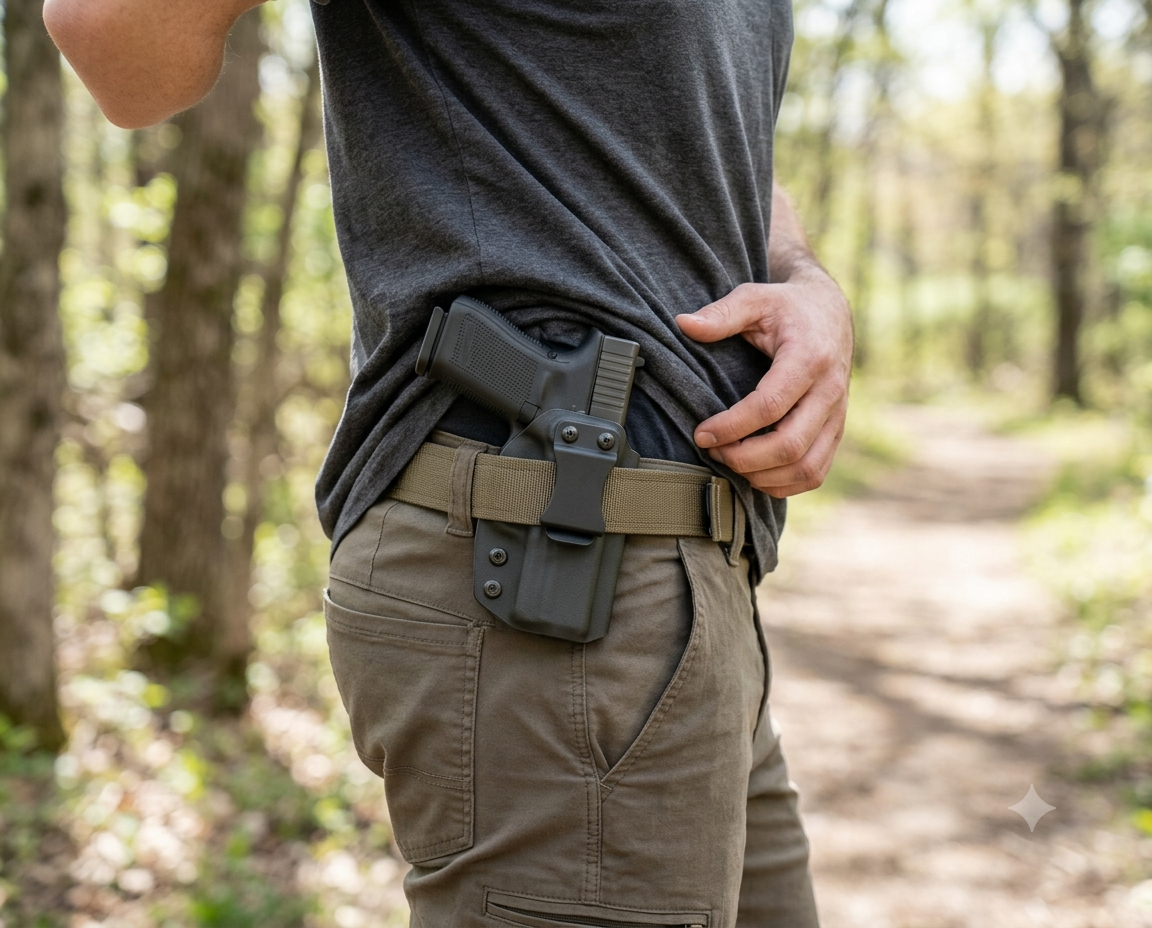
Understanding California Penal Code § 25850
California has some of the most detailed firearm regulations in the United States, and one of the laws that frequently raises questions is California Penal Code § 25850, which addresses the carrying of a loaded firearm in public or in a vehicle.
Many people search for answers to questions such as: Is it illegal to carry a loaded gun in California? What counts as a loaded firearm? What are the penalties for violating Penal Code § 25850? Can I be arrested even if I legally own the firearm?
The answer depends on several important factors, including where the firearm was carried, whether it was considered loaded under California law, whether the person had a valid permit, and the surrounding circumstances.
A violation of California Penal Code § 25850 can lead to criminal charges, fines, loss of firearm rights, and other serious consequences. Understanding the law is essential for anyone facing an accusation involving a loaded firearm.
What Does California Penal Code § 25850 Prohibit?
California Penal Code § 25850 generally makes it a crime for a person to carry a loaded firearm on their person or in a vehicle while in a public place or on a public street under circumstances where the law applies.
The statute is designed to regulate the possession of ready-to-use firearms in public areas. California distinguishes between simply owning a firearm and carrying a loaded firearm in locations where carrying is restricted.
The prosecution typically must prove several elements, including:
- The person carried a firearm.
- The firearm was loaded.
- The firearm was carried in a prohibited public location or vehicle.
- The person was not legally exempt from the restriction.
A person does not necessarily violate the law simply because they own a gun. The issue is often whether the firearm was loaded and carried in a legally restricted setting.
What Is Considered a “Loaded Firearm” Under California Law?
One of the most common questions involving Penal Code § 25850 is: What does California consider a loaded gun?
Under California law, a firearm is generally considered loaded when ammunition is attached to, inserted into, or otherwise available for immediate use with the firearm in a way that allows it to be fired.
Examples may include:
- A handgun with a round in the chamber
- A firearm with a loaded magazine inserted
- A rifle or shotgun containing ammunition in a manner considered ready for firing
However, California’s definition of “loaded” can depend on the specific firearm and circumstances. For example, having ammunition nearby does not always mean a firearm is legally considered loaded.
Because the details matter, the difference between a loaded and unloaded firearm can become a critical issue in a criminal case.
Is Carrying a Loaded Gun in a Car Illegal in California?
Many people assume that having a firearm in their vehicle is automatically legal if they are transporting it. This is not always true.
California generally requires firearms transported in vehicles to follow specific rules. In many situations, a firearm must be:
- Unloaded
- Stored properly
- Secured in an appropriate container when required
- Transported in compliance with California firearm regulations
A loaded firearm inside a vehicle may lead to allegations under Penal Code § 25850 if the circumstances meet the requirements of the law.
The location of the firearm can also matter. For example, accessibility, storage method, and the type of vehicle may become important factors.
What Are the Penalties for Violating Penal Code § 25850?
A violation of California Penal Code § 25850 may be charged as either a misdemeanor or a felony depending on the facts of the case.
Misdemeanor Penalties
A misdemeanor conviction may result in:
- County jail time
- Criminal fines
- Probation
- Firearm restrictions
The exact consequences depend on the circumstances and the defendant’s criminal history.
Felony Penalties
Certain situations can increase the severity of the charge, potentially resulting in felony prosecution.
Factors that may affect the charge include:
- Prior criminal convictions
- Gang-related allegations
- Criminal intent
- Additional firearm-related allegations
- Possession of prohibited weapons
- Other aggravating circumstances
A felony firearm conviction can have long-term effects, including the loss of the ability to legally own or possess firearms.
Can You Go to Jail for Carrying a Loaded Firearm?
Yes. A person charged under Penal Code § 25850 may face jail consequences if convicted.
However, every case is different. Prosecutors must prove the required elements beyond a reasonable doubt, and the defense may challenge issues such as:
- Whether the firearm was actually loaded
- Whether the search was lawful
- Whether the person knowingly carried the firearm
- Whether an exception applied
A firearm arrest does not automatically mean a conviction will follow. The facts surrounding the stop, search, arrest, and evidence collection are extremely important.
Are There Exceptions to California Penal Code § 25850?
California law provides exceptions for certain individuals and situations.
Examples may include:
- Certain law enforcement officers
- Authorized security personnel
- Individuals with specific firearm permits
- People carrying firearms in legally permitted circumstances
- Certain activities involving lawful firearm use
However, exceptions are often narrowly interpreted. Having a firearm license or believing possession is legal does not always eliminate the possibility of criminal liability.
The details of the specific situation determine whether an exception applies.
What Is the Difference Between Penal Code § 25850 and Carrying a Concealed Weapon?
California has multiple firearm-related laws that regulate different conduct.
Penal Code § 25850 focuses on carrying a loaded firearm in public or in a vehicle.
Other firearm laws may address issues such as:
- Carrying a concealed firearm
- Carrying a firearm without a permit
- Possession of prohibited weapons
- Possession by prohibited individuals
A person may face more than one firearm-related allegation depending on the facts.
Understanding which law applies is important because each offense has different legal requirements and possible defenses.
Can Police Arrest Someone Under Penal Code § 25850?
Police may arrest a person when they believe there is probable cause to believe the law has been violated.
Common situations leading to investigations may include:
- Traffic stops
- Reports of a person with a firearm
- Investigations involving another offense
- Searches resulting in firearm discovery
However, police actions must comply with constitutional protections. Issues involving searches and seizures can become important in firearm cases.
For example, if evidence was obtained through an unlawful search, the defense may challenge whether that evidence can be used in court.
What Defenses May Apply to a Penal Code § 25850 Charge?
A defense strategy depends on the facts, but possible defenses may include:
The Firearm Was Not Loaded
If the prosecution cannot prove the firearm met the legal definition of “loaded,” this may create a significant issue.
The Search Was Illegal
If officers violated constitutional rights during a search, evidence may potentially be challenged.
The Person Was Legally Exempt
A person may have legal authorization or circumstances that prevent criminal liability.
Lack of Knowledge
In some cases, the facts may raise questions about whether the person knew they were carrying a loaded firearm.
Mistaken Facts or Identification Issues
Evidence may be disputed if there are questions about ownership, possession, or whether the accused person was actually responsible.
Can a Penal Code § 25850 Conviction Affect Gun Rights?
Yes. A firearm-related conviction can have serious consequences beyond fines or jail.
Depending on the conviction, a person may face:
- Restrictions on firearm ownership
- Loss of firearm purchasing ability
- Future legal complications involving weapons
- Additional consequences in later criminal matters
Because firearm rights are heavily regulated in California, resolving a firearm charge properly can be extremely important.
What Should You Do If You Are Charged Under Penal Code § 25850?
If you are accused of carrying a loaded firearm illegally, avoid making statements that could unintentionally harm your case.
Important steps may include:
- Do not discuss the facts of the case publicly
- Preserve any documents or evidence related to the incident
- Understand the exact charge filed against you
- Seek advice from a qualified criminal defense attorney
Firearm cases often turn on small factual details, and early legal guidance can make a significant difference.
Frequently Asked Questions
Is Penal Code § 25850 a felony or misdemeanor?
It can be charged as either depending on the circumstances, including the person’s history and the details of the alleged offense.
Can I carry a loaded firearm in my home?
California firearm laws differ between private property and public places. Penal Code § 25850 primarily addresses carrying loaded firearms in public areas and vehicles.
Does owning a gun make it legal to carry it loaded?
No. Legal ownership does not automatically allow someone to carry a loaded firearm in public.
Can a first-time offense still result in serious penalties?
Yes. Even someone with no prior record may face significant consequences depending on the facts.
Should I hire an attorney for a loaded firearm charge?
Because firearm offenses can affect freedom and future firearm rights, many people choose to consult an attorney experienced in California criminal defense.
Contact Southwest Legal
Protect Your Rights After a California Firearm Arrest
A charge under California Penal Code § 25850 can create serious legal challenges, but the outcome depends on the evidence, the circumstances, and the available legal options.
At Southwest Legal, our team helps individuals understand their rights and navigate California criminal defense matters with careful attention to the details of each case. If you or a loved one is facing a loaded firearm allegation, contacting a knowledgeable legal professional can help you understand the next steps and available options. Contact us today for a free consultation to discuss your situation and learn how we can assist you through the legal process.
Disclaimer: This article is for general informational purposes only and does not constitute legal advice or create an attorney-client relationship. No attorney-client relationship is formed unless and until the firm and client enter into an agreement for legal services. Laws may change, and legal outcomes depend on the specific facts of each case. Consult a qualified attorney for advice regarding your situation.