


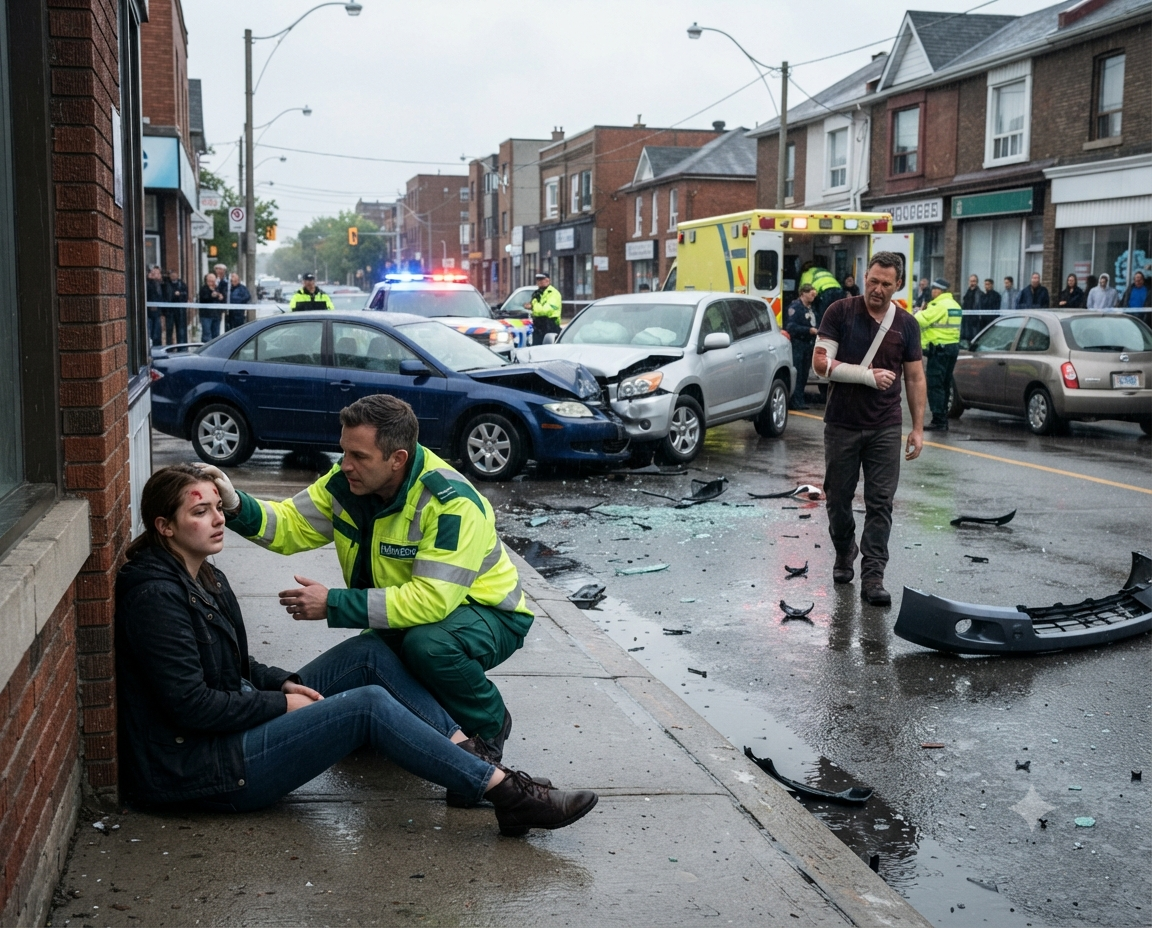
A car accident can happen in seconds, but the consequences can last for months or even years. If you were injured in a crash, you may be facing medical treatment, lost income, vehicle damage, insurance claims, and uncertainty about what to do next.
If another driver’s negligence contributed to your accident, California law may give you the right to seek compensation for certain losses. Understanding your legal rights early can help you make informed decisions, preserve important evidence, and avoid mistakes that could complicate a potential claim.
This guide explains what to know after a California car accident, including how personal injury claims work, what compensation may be available, how comparative fault can affect a case, what happens when insurance coverage is limited, and how long you generally have to take legal action.
Your Legal Rights After a California Car Accident
If you were injured because another person was negligent, you may have the right to pursue a personal injury claim.
Depending on the circumstances, your legal rights may include the ability to:
- Seek compensation for qualifying medical expenses and other economic losses
- Seek compensation for certain non-economic losses, such as pain and suffering
- Pursue a claim against an at-fault driver’s insurance coverage
- Investigate whether uninsured or underinsured motorist coverage applies
- Present evidence supporting your version of how the accident occurred
- Challenge an insurance company’s evaluation of your claim
- Pursue a lawsuit when appropriate, subject to applicable legal deadlines
These rights are not automatic guarantees of compensation. A successful claim generally requires evidence establishing the applicable legal elements, including the relationship between another party’s conduct, the accident, and your claimed injuries or losses.
What Should You Do After a Car Accident in California?
Knowing what to do immediately after a collision can help protect both your health and your ability to document what happened.
1. Get medical attention
Your health should come first.
Some injuries are immediately obvious, while others may become noticeable later. If you are experiencing pain, headaches, dizziness, stiffness, numbness, or other symptoms after a collision, consider seeking appropriate medical attention.
Medical records can also become important evidence in a personal injury claim because they can document the nature of an injury, treatment received, and the timing of medical care.
2. Call law enforcement when appropriate
For accidents involving injuries, significant damage, or other circumstances requiring police involvement, contacting law enforcement can help create an official record of the collision.
A police or incident report is not necessarily the only evidence used in a personal injury case. Photographs, witness statements, medical records, vehicle damage, video footage, and other evidence may also be important.
3. Exchange information with the other driver
When it is safe to do so, obtain relevant information from the other driver, including:
- Name
- Contact information
- Driver’s license information
- Vehicle information
- License plate number
- Insurance information
If there are witnesses, consider obtaining their names and contact information as well.
4. Take photographs and videos
If your physical condition and the circumstances allow, document the accident scene.
Consider photographing:
- Vehicle damage
- Your injuries
- The position of vehicles
- Traffic signals and signs
- Road conditions
- Skid marks or debris
- Damage to surrounding property
- Weather or visibility conditions
Photos taken shortly after an accident may help preserve details that could otherwise change or disappear.
5. Report the accident to your insurance company
Your insurance policy may require you to notify your insurer about an accident. Review your policy and follow its reporting requirements.
Notifying your insurer does not necessarily mean admitting fault or agreeing with another driver’s version of events.
6. Remember California’s SR-1 requirement
California has a separate DMV reporting requirement for certain traffic accidents.
If anyone is injured or killed, or property damage exceeds $1,000, the accident generally must be reported to the California DMV within 10 days using an SR-1. The requirement applies regardless of who caused the accident and is separate from reports made to law enforcement or an insurance company.
Failing to comply with the applicable reporting requirement can have consequences for your driving privileges.
When Is a Driver Liable for a Car Accident in California?
Many California car accident injury claims are based on negligence.
In everyday language, negligence generally means failing to exercise reasonable care under the circumstances.
Examples of potentially negligent driving include:
- Speeding
- Distracted driving
- Texting while driving
- Following another vehicle too closely
- Running a red light
- Failing to yield
- Making an unsafe lane change
- Driving while impaired
- Driving recklessly
However, an accident does not automatically establish legal liability.
A personal injury claim may involve questions such as:
- Did the other driver owe you a duty of reasonable care?
- Did the driver fail to act reasonably?
- Did that conduct contribute to the accident?
- Did the accident cause your claimed injuries?
- What losses resulted from those injuries?
The evidence available in the case can be critical to answering these questions.
Example of a negligence claim
Suppose a driver looks down at a cellphone while approaching an intersection and runs a red light. The driver strikes your vehicle, causing you to suffer a fractured wrist and back injury.
Evidence might include traffic-camera footage, eyewitness testimony, photographs, vehicle damage, medical records, and other information.
Together, this evidence could help establish what happened and whether the other driver’s conduct contributed to your injuries.
Can You Recover Compensation If You Were Partially at Fault?
Potentially, yes.
California follows comparative-fault principles. This means that responsibility for an accident can be divided among the parties rather than always being treated as an all-or-nothing issue.
For example, imagine that the evidence ultimately supports a finding that another driver was 80% responsible for an accident and you were 20% responsible. Your share of responsibility may affect the amount of compensation recoverable.
California’s rules can become particularly important when multiple defendants are involved. Under Civil Code section 1431.2, in covered comparative-fault actions, each defendant is generally responsible for the portion of non-economic damages corresponding to that defendant’s percentage of fault. The statute also distinguishes economic damages from non-economic damages.
Because comparative fault can significantly affect a claim, do not assume that being partly responsible automatically means you have no legal rights.
What Compensation Can You Seek After a Car Accident?
The types of damages available in a California personal injury case depend on the facts and evidence.
Generally, damages may include economic damages and non-economic damages.
Economic damages
Economic damages are losses that can generally be documented financially.
They may include:
- Emergency medical treatment
- Hospital expenses
- Physician visits
- Diagnostic testing
- Prescription medications
- Physical therapy
- Rehabilitation
- Future medical treatment
- Lost wages
- Loss of future earning capacity
- Certain out-of-pocket expenses
California law identifies medical expenses, loss of earnings, and other objectively verifiable monetary losses as examples of economic damages.
Non-economic damages
Non-economic damages involve losses that are more difficult to measure with a bill or receipt.
Depending on the circumstances, they can include:
- Physical pain
- Emotional distress
- Mental suffering
- Inconvenience
- Loss of enjoyment of life
- Loss of consortium in appropriate cases
California law identifies pain, suffering, inconvenience, mental suffering, and emotional distress among examples of non-economic losses.
There is no universal formula that determines the value of these damages. The nature of the injury, recovery process, evidence, and other circumstances can all matter.
How Much Is a California Car Accident Claim Worth?
One of the most common questions after a car accident is: “How much money can I get?”
There is no standard settlement amount that applies to every California car accident.
The potential value of a claim can depend on factors such as:
- Severity of the injuries
- Duration of medical treatment
- Whether additional treatment is expected
- Amount of medical expenses
- Lost income
- Effect on future earning ability
- Pain and suffering
- Evidence of liability
- Comparative fault
- Available insurance coverage
- Number of parties involved
- Whether the extent of damages is disputed
For example, a minor soft-tissue injury that resolves quickly may involve very different damages from a serious injury requiring surgery, rehabilitation, and extended time away from work.
An insurance settlement offer should therefore be evaluated based on the overall circumstances rather than simply comparing the offer with the amount of the first medical bill.
What If the Other Driver Has No Insurance?
Unfortunately, not every driver has sufficient insurance to cover the losses caused by a serious accident.
California’s current minimum liability limits for standard automobile insurance policies are generally:
- $30,000 for bodily injury or death of one person
- $60,000 for bodily injury or death of multiple people in one accident
- $15,000 for property damage
These minimum limits have applied to standard California auto policies since changes that began taking effect in 2025.
Even these limits may be insufficient when an accident causes significant injuries.
What is underinsured motorist coverage?
Underinsured motorist coverage may become relevant when the at-fault driver’s available insurance is not enough to cover the damages involved.
Whether these coverages apply depends on the applicable policy and circumstances. California’s Department of Insurance identifies uninsured/underinsured motorist coverage as an automobile insurance coverage option.
For this reason, it can be important to examine your own insurance policy after a serious accident rather than focusing exclusively on the other driver’s insurance.
Should You Give a Statement to the Other Driver’s Insurance Company?
The other driver’s insurance company may contact you after a collision to investigate the claim.
Insurance companies commonly investigate accidents by reviewing available information and may request documentation concerning the accident, injuries, medical treatment, lost wages, and other claimed losses.
A person who has been injured should be careful about making assumptions, guessing about facts they do not remember, or minimizing injuries simply because symptoms initially seem manageable.
If you are uncertain about your rights or the significance of a request from an insurer, obtaining legal guidance before making important decisions may be appropriate.
Do You Need a Lawyer After a Car Accident?
Not every car accident requires an attorney.
A minor collision involving little or no injury and a straightforward insurance claim may be relatively simple to handle directly.
Legal guidance may become particularly useful when issues such as the following are present:
- Serious or permanent injuries
- Significant medical expenses
- Disputed liability
- Multiple vehicles
- Multiple potentially responsible parties
- Uninsured or underinsured drivers
- Disputes over the severity or cause of injuries
- Significant lost income
- Questions involving future medical care
- A government vehicle or public entity
- An insurance company disputes your claim
- You are considering a significant settlement
A personal injury attorney can explain the legal process and help you understand the issues that may affect your particular situation.
What Evidence Can Help Support a Car Accident Claim?
Strong documentation can be important when liability or damages are disputed.
Evidence from the accident scene
Potential evidence includes:
- Photographs
- Video recordings
- Dashcam footage
- Traffic-camera footage
- Police or incident reports
- Witness information
- Vehicle damage
- Road conditions
- Traffic signals and signs
Medical evidence
Medical documentation may include:
- Emergency-room records
- Physician records
- Diagnostic imaging
- Treatment notes
- Physical therapy records
- Prescription records
- Specialist evaluations
- Documentation concerning future treatment
Financial evidence
Depending on the claim, financial documentation can include:
- Pay stubs
- Employment records
- Medical bills
- Receipts
- Records of accident-related expenses
- Documentation of missed work
Keeping these materials organized can make it easier to understand the full scope of a potential claim.
What If My Injuries Did Not Appear Immediately?
Some accident-related symptoms may become noticeable after the collision rather than at the scene.
For example, a person may initially feel relatively normal because of the stress and adrenaline associated with the accident. Neck pain, back pain, headaches, stiffness, or other symptoms may become more apparent later.
That does not mean every symptom is necessarily caused by the accident. Medical evaluation is important for determining what may be happening and what treatment is appropriate.
If symptoms develop after a collision, do not simply ignore them because you initially felt fine.
Can You Settle a Car Accident Claim Without Going to Court?
Yes. A personal injury claim can sometimes be resolved through settlement negotiations without going to trial.
A settlement generally involves an agreement between the parties to resolve the dispute in exchange for an agreed amount or other terms.
However, accepting a settlement can have significant consequences. Settlement documents may require you to release claims against the responsible party or insurer.
Before accepting an important settlement, it can be helpful to understand:
- What claims are being released
- Whether future medical expenses are being considered
- Whether the settlement covers all relevant losses
- What insurance coverage is available
- Whether other potentially responsible parties exist
- Whether comparative fault is disputed
If negotiations do not result in an acceptable resolution, litigation may become an option depending on the circumstances.
How Long Do You Have to File a Car Accident Injury Claim in California?
California’s statute of limitations is an important consideration.
Under California Code of Civil Procedure section 335.1, an action for injury to an individual caused by another person’s wrongful act or neglect generally must be brought within two years.
However, the applicable deadline can depend on the facts of a particular case. Different rules may apply in certain situations, including claims involving government entities or special legal circumstances.
For example, claims against public entities can involve separate claim-presentation requirements and shorter deadlines than an ordinary personal injury claim.
Because missing a legal deadline can seriously affect your ability to pursue a claim, it is generally better to understand the applicable deadlines early rather than waiting until the end of the limitations period.
What If a Government Vehicle Was Involved?
Accidents involving government vehicles or public entities can involve additional legal requirements.
For example, if a collision involves a city, county, state agency, or other public entity, special government-claims procedures may apply.
These cases should not automatically be treated like an ordinary accident between two private drivers.
If a government vehicle or public entity may be involved, obtaining legal information promptly can be particularly important because special procedural requirements and deadlines may apply.
Common Mistakes to Avoid After a California Car Accident
Waiting too long to seek medical attention
If you are experiencing symptoms after a crash, do not ignore them. Appropriate medical care is important for your health and can also create contemporaneous documentation of your condition.
Failing to preserve evidence
Photos, videos, witness information, medical records, and other evidence can become more difficult to obtain as time passes.
Assuming the other driver is automatically responsible
Even when an accident seems obvious, liability can become disputed. Preserve evidence rather than relying solely on your initial impression.
Accepting a settlement too quickly
A settlement may resolve your claim permanently. Before accepting an offer, make sure you understand what rights you may be giving up.
Posting extensively about the accident online
Public social-media posts, photographs, or statements may potentially become relevant in a legal dispute. Consider carefully what you share about an accident, your injuries, and your recovery.
Waiting until the statute of limitations is close
A legal claim can require investigation, evidence gathering, negotiations, and potentially litigation. Waiting until the last minute can create unnecessary complications.
Frequently Asked Questions
How do I know if I have a personal injury claim after a car accident?
A potential claim may exist when another party’s wrongful or negligent conduct caused an accident that resulted in legally compensable injuries or losses. Whether you actually have a viable claim depends on the facts, evidence, applicable law, and available insurance coverage.
Can I sue if the other driver was partially at fault?
Potentially. California’s comparative-fault rules can allow responsibility to be divided among parties. Your own percentage of fault, if any, may affect the amount recoverable.
What if the other driver denies causing the accident?
A denial does not necessarily resolve the issue. Evidence such as photographs, witness statements, traffic footage, vehicle damage, police reports, and other records may help establish what occurred.
What if I was a passenger?
An injured passenger may have potential claims depending on who caused the accident, the facts of the collision, and applicable insurance coverage.
What if I was driving for work?
Accidents involving employees, commercial vehicles, delivery drivers, rideshare vehicles, or other work-related driving can raise additional questions about insurance and potentially responsible parties.
What if the other driver was texting?
If evidence shows that distracted driving contributed to the collision, it may be relevant to determining negligence. The specific facts and available evidence still matter.
What if I do not have health insurance?
The absence of health insurance does not necessarily eliminate the possibility of a personal injury claim. However, medical treatment and payment arrangements can involve complicated issues, so it may be helpful to understand your options.
How long will my car accident case take?
There is no standard timeline. Some claims resolve relatively quickly, while cases involving serious injuries, disputed liability, multiple parties, extensive treatment, or litigation can take substantially longer.
Conclusion
A car accident can have lasting consequences, from unexpected medical expenses and lost income to ongoing pain and disruption to your daily life. If another driver’s negligence contributed to your injuries, you may have legal options for seeking compensation under California law.
The steps you take after an accident can matter. Seek appropriate medical care, preserve important evidence, document your losses, and be aware of the deadlines that may apply to your claim. Because every accident and injury is different, understanding your rights and options can help you make informed decisions about what to do next.
Contact Southwest Legal
If you were injured in a California car accident and have questions about your legal rights, the personal injury lawyers at Southwest Legal can provide guidance about your situation and explain the legal process.
Contact us today for a free consultation to learn more about your legal options and next steps.
Disclaimer: This article is for general informational purposes only and does not constitute legal advice or create an attorney-client relationship. No attorney-client relationship is formed unless and until the firm and client enter into an agreement for legal services. Laws may change, and legal outcomes depend on the specific facts of each case. Consult a qualified attorney for advice regarding your situation.