


Understanding California’s Law on Carrying an Unloaded Firearm in Public
California has some of the most detailed firearm regulations in the United States, and understanding the rules surrounding carrying a gun in public is essential. One law that often raises questions is California Penal Code 26350, which addresses the open carrying of an unloaded firearm in public areas.
Many people mistakenly believe that carrying an unloaded firearm openly is always legal because the weapon cannot immediately fire. However, California law places strict limits on when, where, and how an unloaded firearm may be carried. Violating these restrictions can result in criminal charges, penalties, and long-term consequences.
This guide explains what California Penal Code 26350 means, what actions may lead to charges, possible defenses, penalties, and answers to common questions people search about open carrying an unloaded firearm.
What Is California Penal Code 26350?
California Penal Code 26350 makes it generally illegal for a person to openly carry an unloaded handgun in a public place or on a public street in many circumstances.
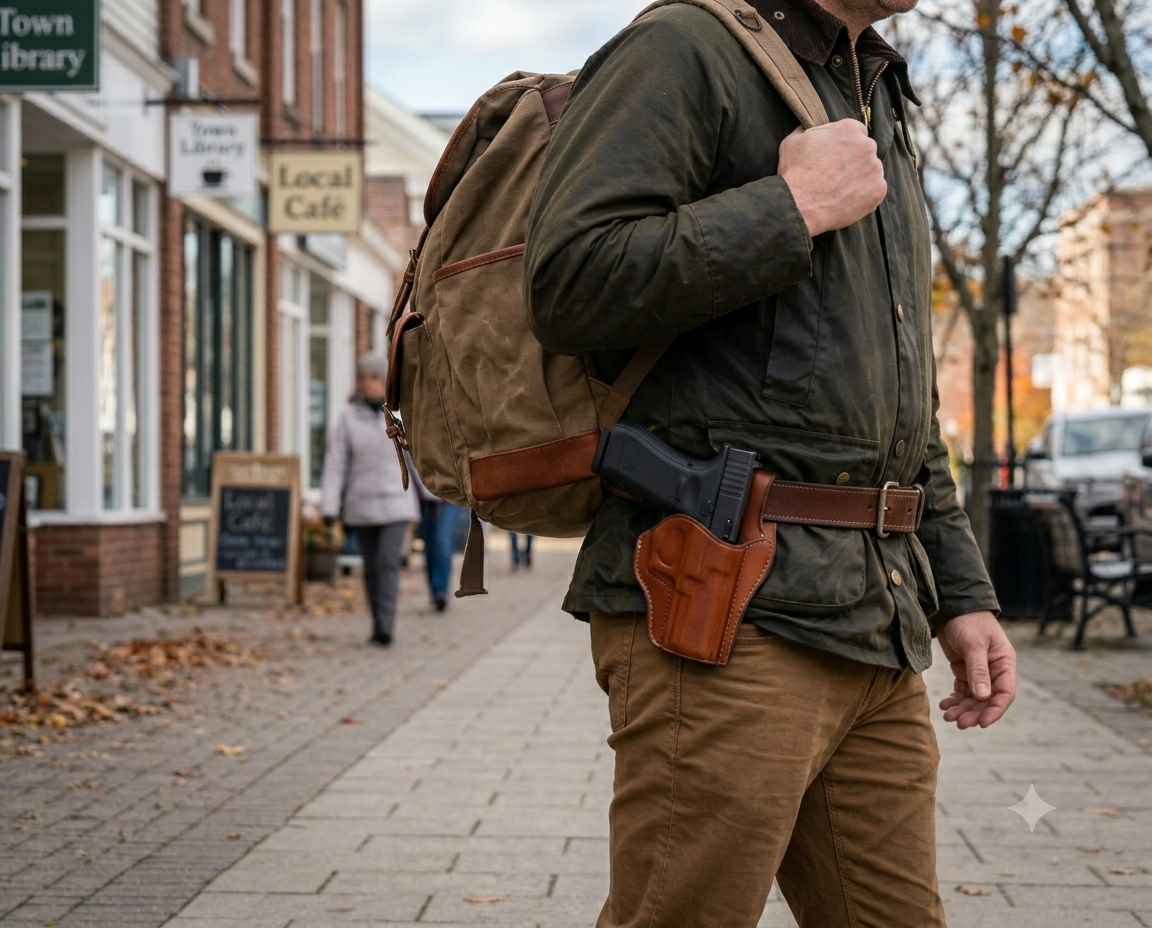
The term “open carry” means that the firearm is carried in a way that is visible or noticeable to others rather than concealed. Examples may include carrying a handgun in a holster where it can be seen.
Under this law, California restricts the public display and carrying of unloaded handguns because lawmakers consider visible firearms in public areas to create safety concerns.
The law applies even if:
- The firearm is not loaded
- The person has no intention of using it
- The person legally owns the firearm
- The person believes carrying openly is protected by their rights
Owning a firearm and carrying a firearm in public are treated as separate legal issues.
What Does “Openly Carrying” Mean Under the Law?
Open carrying refers to carrying a firearm where another person can observe it.
Common examples may include:
- A handgun visible in a belt holster
- A firearm carried in a way that can be seen through clothing
- Displaying a handgun while walking in a public area
California’s firearm laws distinguish between:
- Open carry – the firearm is visible
- Concealed carry – the firearm is hidden from ordinary view
Both forms of carrying may require compliance with California’s licensing requirements and firearm restrictions.
What Is Considered an “Unloaded Firearm”?
For purposes of California firearm laws, an unloaded firearm generally means there is no ammunition positioned in a way that allows the weapon to fire.
A person may assume that removing ammunition makes carrying a firearm automatically lawful. However, that assumption can be incorrect.
California regulates not only whether a gun is loaded, but also:
- Where the firearm is carried
- Whether it is visible
- Whether the person has legal authorization
- Whether the location has additional restrictions
An unloaded firearm can still create criminal liability if carried in violation of Penal Code 26350.
Where Does Penal Code 26350 Apply?
The law primarily focuses on carrying an unloaded handgun in:
- Public places
- Public streets
- Areas accessible to the public
Examples may include:
- Sidewalks
- Roads
- Shopping areas
- Public parks
- Other commonly accessible locations
Certain private locations or special circumstances may have different rules. However, people should not assume that private property automatically eliminates firearm restrictions.
Other California firearm laws may apply depending on the location, including rules involving:
- Schools
- Government buildings
- Restricted areas
- Public transportation
- Special events
Are There Exceptions to California Penal Code 26350?
Yes. Like many criminal laws, Penal Code 26350 includes exceptions where carrying an unloaded firearm may be permitted.
Some situations may involve:
- Law enforcement officers
- Authorized security personnel
- Licensed firearm activities
- Transportation situations allowed under California law
- Certain hunting or sporting activities
The specific requirements can be complicated, and an exception that applies in one situation may not apply in another.
For example, transporting a firearm according to California transportation rules is different from walking down a public street openly carrying a handgun.
Can You Open Carry an Unloaded Gun in Your Vehicle?
Many people wonder whether placing an unloaded firearm in a vehicle is considered open carry.
The answer depends on how the firearm is stored and transported.
California generally has specific requirements for transporting firearms, including rules regarding:
- Whether the firearm is unloaded
- Whether it is stored properly
- Whether it is accessible
- Where the firearm is located in the vehicle
Simply placing a firearm somewhere in a vehicle without following California transportation rules may create legal problems.
Is Open Carrying an Unloaded Firearm a Felony?
A common question is whether violating Penal Code 26350 is a felony.
In many situations, a violation of this law is treated as a misdemeanor offense. However, firearm cases can become more serious depending on additional circumstances.
Potentially aggravating factors may include:
- Prior criminal history
- Other firearm violations
- Possession of prohibited weapons
- Carrying in restricted locations
- Additional criminal allegations
The exact consequences depend on the facts of each individual case.
What Are the Penalties for Violating Penal Code 26350?
A conviction under California Penal Code 26350 may result in consequences such as:
- Criminal fines
- Court costs
- Probation
- Possible jail time
- A permanent criminal record
Beyond the immediate penalties, a firearm-related conviction may affect:
- Employment opportunities
- Professional licenses
- Future firearm rights
- Immigration consequences for some individuals
Because firearm cases involve both criminal law and constitutional issues, they should be taken seriously.
What Are Common Defenses to an Open Carry Charge?
A person accused of violating Penal Code 26350 may have legal defenses depending on the circumstances.
Possible defenses may include:
The Firearm Was Not Actually Covered by the Law
The prosecution must prove the required elements of the offense. If the firearm or situation does not meet the legal definition, the charge may be challenged.
The Person Qualified for an Exception
If the person was legally permitted to carry the firearm under an applicable exception, that may be an important defense.
The Firearm Was Transported Legally
A person may have been moving or storing a firearm under circumstances allowed by California law rather than unlawfully carrying it in public.
Lack of Knowledge or Mistake
While misunderstanding the law is not always a complete defense, facts involving confusion, unclear circumstances, or improper charging may matter.
A criminal defense attorney can evaluate the evidence and determine what strategies may apply.
Can You Lose Your Gun Rights After a Conviction?
Potentially, yes.
California firearm convictions can have consequences beyond fines or jail time. Certain convictions may affect a person’s ability to:
- Own firearms
- Possess firearms
- Purchase firearms
- Obtain firearm-related licenses
The impact depends on the specific offense and the person’s legal history.
Why Are California Firearm Laws So Strict?
California firearm laws are designed around public safety concerns. The state regulates how firearms are purchased, stored, transported, and carried.
Supporters of strict firearm regulations argue that visible firearms in public can increase risks and create public safety concerns.
At the same time, individuals accused of firearm crimes have legal rights, including the right to challenge allegations and receive a fair legal process.
Frequently Asked Questions
Can I carry an unloaded handgun openly if I own it legally?
Not necessarily. Legal ownership does not automatically give someone permission to openly carry an unloaded handgun in public.
Does an unloaded gun count as a firearm under California law?
Yes. An unloaded firearm can still be regulated under California firearm laws.
Is carrying a gun in a backpack considered open carry?
Usually, carrying a firearm in a backpack raises different issues involving concealed carry and transportation laws rather than open carry. The details matter.
Can tourists or visitors open carry unloaded firearms in California?
Visitors must follow California firearm laws while in the state. Being from another state does not automatically provide permission to carry a firearm.
Should I speak with an attorney if I am charged under Penal Code 26350?
Yes. Firearm charges can involve serious legal consequences, and the best approach depends on the facts of the case.
Contact Southwest Legal
If you are facing allegations involving California Penal Code 26350 or another firearm-related offense, understanding your rights and legal options is important. The outcome of a firearm case can depend on details such as where the firearm was found, how it was carried, and whether any exceptions apply.
Southwest Legal provides experienced legal guidance for individuals dealing with criminal allegations throughout Southern California. If you need help understanding your situation, contact us today for a free consultation to discuss your case and learn what options may be available.
Disclaimer: This article is for general informational purposes only and does not constitute legal advice or create an attorney-client relationship. No attorney-client relationship is formed unless and until the firm and client enter into an agreement for legal services. Laws may change, and legal outcomes depend on the specific facts of each case. Consult a qualified attorney for advice regarding your situation.