


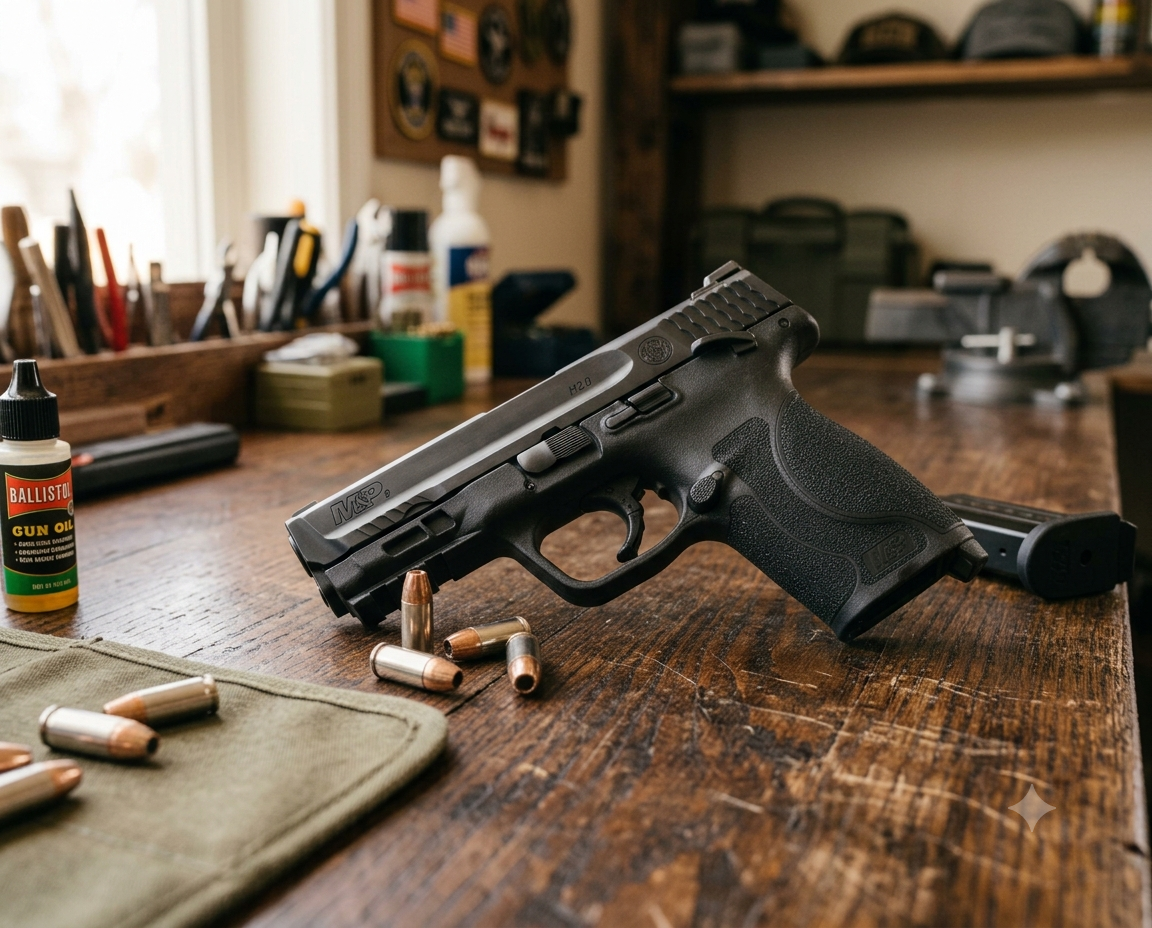
If you are considering carrying a concealed firearm in California, understanding California Penal Code 26150 is an important first step. This law governs the issuance of Concealed Carry Weapon (CCW) licenses by county sheriffs and establishes who may qualify for a permit.
California’s concealed carry laws have changed significantly in recent years. Following changes in state law, applicants are no longer required to demonstrate “good cause” or “good moral character” to obtain a CCW license. Instead, licensing authorities evaluate whether applicants meet the statutory requirements and whether they are legally disqualified from receiving a permit.
Whether you are applying for your first CCW license or simply want to understand your rights, this guide explains California Penal Code 26150, answers frequently asked questions, and discusses the current eligibility requirements.
What Is California Penal Code 26150?
California Penal Code 26150 authorizes the sheriff of a county to issue licenses allowing qualified individuals to carry a concealed handgun. The law establishes the authority to issue CCW licenses while working alongside other California statutes that govern eligibility, background investigations, firearms training, and permit restrictions.
A CCW license does not automatically allow every applicant to carry a concealed firearm. Individuals must complete the required application process, satisfy California’s legal requirements, and receive approval from the appropriate licensing authority before carrying a concealed handgun in public.
What Is a Concealed Carry Weapon (CCW) License?
A Concealed Carry Weapon (CCW) license allows an individual to legally carry a concealed handgun in public, subject to California law and any conditions or restrictions placed on the license.
Without a valid CCW license, carrying a concealed firearm is generally prohibited under California law unless an exception applies.
Even after receiving a permit, license holders must continue to follow all applicable state and federal firearm laws, including restrictions on where concealed firearms may be carried.
Who Is Eligible for a California CCW License?
California law establishes several statutory requirements for obtaining a concealed carry license.
Generally, applicants must:
- Be at least 21 years of age.
- Meet the applicable residency or employment requirements for the licensing jurisdiction.
- Successfully complete the required firearms training course.
- Pass the required state and federal background checks.
- Be legally eligible to possess firearms under California and federal law.
- Not be a disqualified person under California Penal Code section 26202.
Meeting these requirements does not automatically guarantee that a license will be issued. The licensing authority must determine that the applicant satisfies all statutory eligibility requirements before approving the application.
What Is a “Disqualified Person” Under California Law?
One of the most significant changes to California’s concealed carry laws is the elimination of the former “good moral character” and “good cause” requirements.
Instead, licensing authorities now determine whether an applicant is considered a disqualified person under California law.
A licensing authority may deny a CCW license if an applicant falls within one or more statutory disqualifying categories. Examples may include:
- Being prohibited from possessing firearms under California or federal law.
- Certain criminal convictions.
- Certain restraining or protective orders.
- Specific mental health-related firearm prohibitions.
- Circumstances identified by law that make the applicant legally ineligible for a CCW license.
Because every situation is unique, applicants with prior criminal history or other legal concerns should seek legal guidance before applying.
What Background Check Is Required?
Every CCW applicant must undergo a comprehensive background investigation.
The process generally includes:
- Live Scan fingerprinting
- California Department of Justice criminal history review
- Federal background check
- Verification of firearm eligibility
- Review of any disqualifying criminal or legal history
- Verification of information provided in the application
Providing false or incomplete information during the application process may result in denial and could have additional legal consequences.
Is Firearm Training Required?
Yes.
Applicants must complete a state-approved firearms safety and training course before receiving a concealed carry license.
Training generally includes:
- Firearm safety
- Safe firearm handling
- Secure firearm storage
- California firearm laws
- Concealed carry responsibilities
- Live-fire qualification
License holders are generally required to complete additional training when renewing their permits.
How Do You Apply for a California CCW License?
Although procedures vary slightly by county, the application process generally includes the following steps:
1. Submit a CCW Application
Applicants complete and submit the official application to their county sheriff or other authorized licensing agency.
2. Provide Required Documentation
Applicants may need to submit:
- Government-issued identification
- Proof of residency
- Information about the firearm(s)
- Other documents requested by the licensing authority
3. Complete Live Scan Fingerprinting
Fingerprinting is required to conduct state and federal background checks.
4. Complete the Required Firearms Training
Applicants must successfully complete the required training course before a license can be issued.
5. Background Investigation
The licensing authority reviews the applicant’s eligibility under California law.
6. Final Review
If all legal requirements are satisfied, the licensing authority may issue a concealed carry license.
How Long Does the Application Process Take?
Processing times vary from county to county.
Several factors may affect how long an application takes, including:
- Application volume
- Background investigation processing
- Fingerprint results
- Completion of required training
- Administrative review
Some applications are processed within a few months, while others may take longer depending on the circumstances.
How Long Is a California CCW License Valid?
California CCW licenses remain valid for a limited period established by state law.
To maintain a valid permit, license holders generally must:
- Submit a renewal application before expiration.
- Complete any required renewal firearms training.
- Continue meeting all eligibility requirements.
- Pay applicable renewal fees.
Applicants should begin the renewal process early to help avoid an expiration in coverage.
Can a CCW Application Be Denied?
Yes.
A concealed carry application may be denied for several reasons, including:
- Failure to meet statutory eligibility requirements.
- Being a disqualified person under California law.
- Providing false or incomplete information.
- Failure to complete the required firearms training.
- Being prohibited from possessing firearms under state or federal law.
- Failure to provide required documentation.
The reason for a denial may determine whether the applicant has legal options to reapply or challenge the decision.
Where Can You Carry With a California CCW?
Receiving a CCW license does not mean you can carry a concealed firearm everywhere.
California law restricts concealed firearms in numerous locations, including certain:
- Schools and school grounds
- Federal buildings
- Secure airport areas
- Certain government facilities
- Locations prohibited by federal law
- Other locations designated as restricted under California law
Because concealed carry laws continue to change, permit holders should stay informed about current restrictions before carrying a firearm.
Can a CCW License Be Revoked?
Yes.
A licensing authority may suspend or revoke a CCW license if the holder:
- Becomes prohibited from possessing firearms.
- No longer meets California’s eligibility requirements.
- Violates applicable laws or permit conditions.
- Becomes legally disqualified under California law.
Maintaining compliance with California firearm laws is essential throughout the duration of a concealed carry license.
Frequently Asked Questions
Is California a Shall-Issue State?
Yes. California generally operates as a shall-issue state for qualified applicants. Individuals who satisfy the statutory requirements and are not legally disqualified may qualify for a CCW license. Applicants are no longer required to demonstrate “good cause” or “good moral character” as part of the licensing process.
Do You Need a Special Reason to Apply?
No.
California law no longer requires applicants to demonstrate a special need, extraordinary circumstance, or “good cause” to obtain a concealed carry license.
Can Someone With a Criminal Record Get a CCW?
It depends.
Certain felony convictions and other legal prohibitions permanently prevent individuals from possessing firearms.
Some misdemeanor convictions, restraining orders, or other legal issues may also affect eligibility.
Because every case is different, applicants with criminal histories should consult an experienced attorney before applying.
Generally, California issues CCW licenses to residents or individuals who otherwise meet the statutory residency or employment requirements applicable to the licensing authority.
Not necessarily.
License holders should carry only firearms that comply with California law and any applicable licensing requirements.
Can You Carry in Another State?
Not automatically.
Every state has its own firearm laws regarding concealed carry permits and reciprocity. Before traveling with a firearm, review the laws of the destination state.
What Happens If You Carry Without a Permit?
Carrying a concealed firearm without legal authorization may result in criminal charges, fines, imprisonment, or other penalties depending on the circumstances.
Common Mistakes Applicants Should Avoid
Applicants can reduce delays by avoiding common mistakes such as:
- Submitting incomplete applications.
- Omitting required documents.
- Providing inaccurate information.
- Waiting too long to complete firearms training.
- Missing deadlines.
- Failing to disclose information required by the application.
Carefully reviewing all application materials before submission can help avoid unnecessary complications.
Why Understanding California Penal Code 26150 Matters
California’s concealed carry laws have evolved considerably in recent years. Penal Code 26150 remains one of the primary statutes governing the issuance of CCW licenses, but the eligibility standards have changed. Applicants are no longer required to prove “good cause” or “good moral character.” Instead, licensing authorities evaluate whether applicants meet the statutory requirements and whether they are legally disqualified under California law.
Understanding these requirements before applying can help applicants prepare a complete application, avoid unnecessary delays, and better understand their rights and responsibilities as prospective CCW license holders.
Because firearm laws may change through new legislation or court decisions, applicants should stay informed about current legal requirements and seek qualified legal advice when questions arise.
Contact Southwest Legal
Southwest Legal provides experienced legal representation for individuals facing firearm-related legal matters throughout Southern California. Our criminal defense attorneys understand the state’s evolving firearm laws, address legal concerns, and protect your rights.
If you have questions or need assistance with a firearm-related legal matter, contact us today for a free consultation. Our team is ready to provide the knowledgeable legal guidance you need to move forward with confidence.
Disclaimer: This article is for general informational purposes only and does not constitute legal advice or create an attorney-client relationship. No attorney-client relationship is formed unless and until the firm and client enter into an agreement for legal services. Laws may change, and legal outcomes depend on the specific facts of each case. Consult a qualified attorney for advice regarding your situation.