


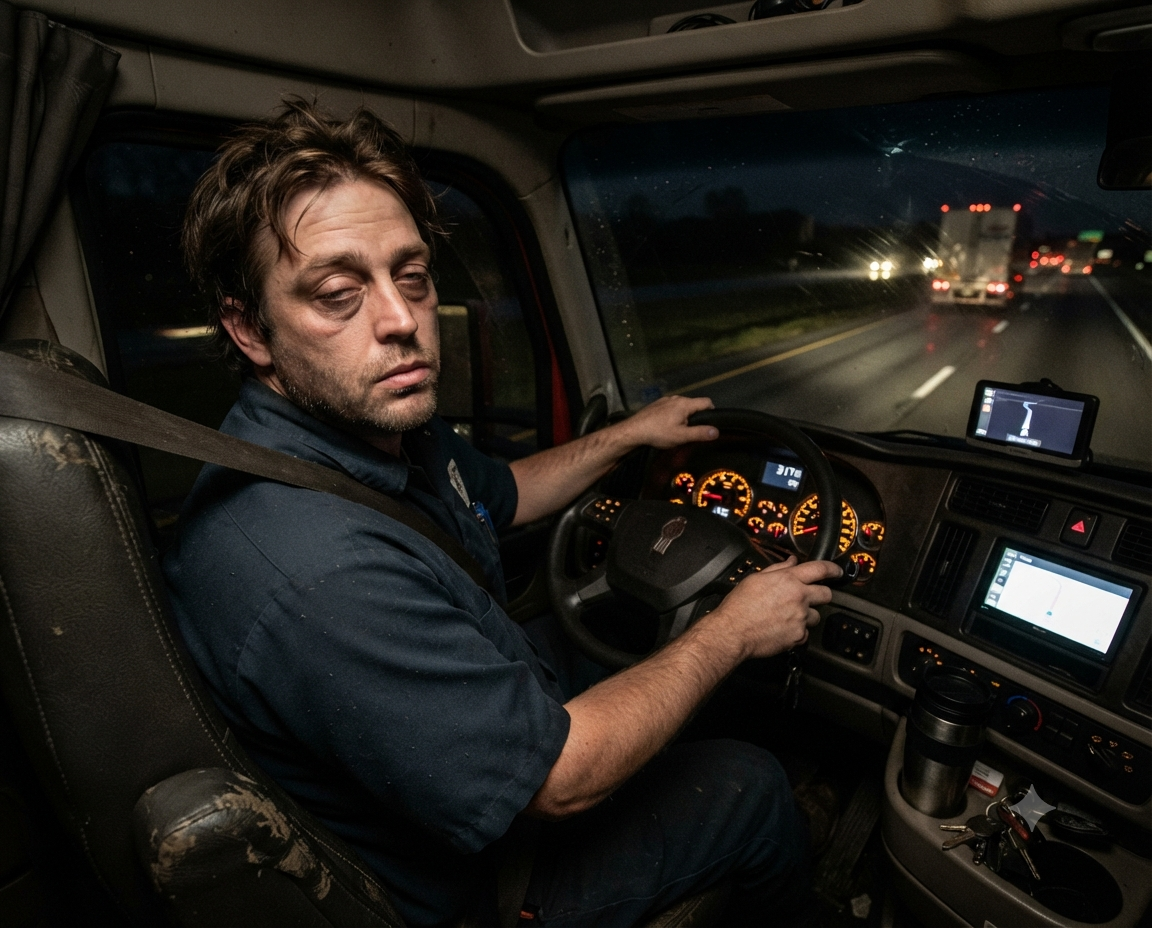
How Exhaustion, Sleep Deprivation, and Fatigue Can Lead to DUI Investigations
Imagine driving home after working a long overnight shift. You are exhausted, your eyes are heavy, your reactions are slower than normal, and you briefly drift within your lane. During a traffic stop, the officer notices that you appear tired, your responses are delayed, and you have difficulty following instructions. The officer begins to suspect that you may be driving under the influence.
But what if alcohol or drugs were not involved? What if extreme fatigue was the reason you appeared impaired?
Many California drivers wonder: Can fatigue be mistaken for DUI impairment?
The answer is yes. Severe fatigue, sleep deprivation, and exhaustion can sometimes create behaviors that resemble alcohol or drug impairment. A tired driver may appear confused, have delayed reactions, struggle with coordination, or perform poorly during certain roadside evaluations.
However, fatigue alone is not a DUI offense in California. California DUI laws focus on whether a driver was impaired by alcohol, drugs, or another substance that affected their ability to safely operate a vehicle. Under California law, a person may face DUI allegations when law enforcement believes their physical or mental abilities were impaired while driving.
Understanding how fatigue can be confused with impairment, how police evaluate DUI cases, and what legal options may be available can help drivers protect their rights.
Why Can Fatigue Look Like DUI Impairment?
Sleep deprivation affects the brain in ways that can resemble intoxication. When a person does not get enough rest, their ability to concentrate, make decisions, and react quickly can significantly decrease.
A severely fatigued driver may experience:
- Slow responses
- Difficulty concentrating
- Memory problems
- Poor judgment
- Reduced coordination
- Trouble maintaining a lane
- Confusion or disorientation
- Heavy or tired-looking eyes
- Delayed answers during conversations
These signs can overlap with behaviors law enforcement officers commonly associate with impaired driving.
For example, a nurse finishing a long overnight shift or a commercial driver completing extended hours on the road may appear unusually tired during a traffic stop. If that person struggles with roadside coordination tests or answers questions slowly, an officer may suspect alcohol or drug impairment even when fatigue is the actual cause.
Can You Get a DUI in California for Being Too Tired?
No. Simply being tired is not a DUI violation in California.
California DUI laws generally involve impairment caused by:
- Alcohol
- Drugs, including certain prescription medications
- A combination of alcohol and drugs
For example, California Vehicle Code section 23152 makes it unlawful to drive while under the influence of alcohol or drugs, and it also prohibits driving with an unlawful blood alcohol concentration.
Fatigue by itself does not fall into these categories.
However, fatigue can become relevant if it causes driving behavior that leads an officer to believe a person may be impaired.
Examples include:
- Drifting between lanes
- Nearly causing a collision
- Falling asleep while driving
- Responding slowly during a traffic stop
- Appearing confused or unable to follow instructions
In these situations, police may begin a DUI investigation to determine whether alcohol, drugs, fatigue, a medical issue, or another factor caused the observed behavior.
How Sleep Deprivation Can Affect Driving Ability
Driving while extremely tired can affect a person in several ways.
Slower Reaction Time
Fatigue can delay how quickly a driver responds to hazards, traffic signals, pedestrians, or sudden changes on the road.
Example:
A driver who has been awake all night may notice a stopped vehicle ahead but react too slowly because their brain is not processing information quickly enough.
Reduced Attention
A tired driver may lose focus more easily and fail to notice important details while driving.
Example:
A fatigued driver may unintentionally miss lane markings or fail to recognize changing traffic conditions.
Poor Decision-Making
Sleep deprivation can affect judgment and increase risky driving decisions.
Example:
A driver may underestimate how tired they are and continue driving even when they should stop and rest.
These effects demonstrate why fatigue can create unsafe driving conditions, but they do not automatically mean a person is legally impaired under California DUI laws.
Can Fatigue Affect Field Sobriety Tests in California?
During some DUI investigations, officers may ask drivers to perform field sobriety tests (FSTs). These roadside exercises are intended to evaluate signs of possible impairment, but performance can be affected by many factors besides alcohol or drugs.
Fatigue may influence a person’s ability to perform certain tasks that require balance, attention, and coordination.
Walk-and-Turn Test
This test requires a person to follow instructions, maintain balance, and complete a specific walking pattern.
Someone who is exhausted may struggle because of:
- Difficulty concentrating
- Slow processing speed
- Poor balance caused by tiredness
One-Leg Stand Test
This test requires physical control and balance. Fatigue, physical exhaustion, injuries, age, or medical conditions may affect performance.
Horizontal Gaze Nystagmus Test
This test involves observing eye movement and is primarily associated with indicators commonly linked to alcohol impairment. Fatigue alone does not establish DUI impairment, and other factors may affect how a person’s eyes appear during an investigation.
A person performing poorly on a roadside test does not automatically prove that they were under the influence.
How Police Decide Whether Someone Is Impaired
A DUI investigation usually involves multiple observations rather than one single factor.
Officers may consider:
- Driving behavior
- Statements made by the driver
- Appearance and behavior
- Signs of alcohol or drug use
- Field sobriety test performance
- Chemical test results
- Other evidence collected during the investigation
For example, a driver who appears tired after working a long shift may explain their exhaustion. That explanation may become part of the overall circumstances considered when reviewing the case.
Can Fatigue Be Used as a Defense in a California DUI Case?
Fatigue may be an important factor when challenging a DUI allegation, depending on the facts of the case.
If a driver believes exhaustion caused the appearance of impairment, relevant evidence may include:
- Work schedules
- Travel records
- Witness statements
- Medical information when applicable
- Evidence showing lack of alcohol or drug use
- Details about the traffic stop and investigation
For example, a person returning home after an extended work period may have documentation showing why they were severely fatigued at the time of the traffic stop.
A DUI defense strategy depends on reviewing all available evidence, including whether the officer’s conclusions were supported by reliable information.
Can Sleep Deprivation Cause a False DUI Arrest?
Yes, it is possible for fatigue-related symptoms to contribute to a mistaken suspicion of impairment.
Sleep deprivation may cause someone to:
- Speak slowly
- Have difficulty focusing
- Appear confused
- Struggle with balance exercises
- React slower than expected
Because these behaviors can overlap with signs of impairment, law enforcement may investigate further.
However, the question in a DUI case is not simply whether someone appeared tired or unusual. The important issue is whether there is sufficient evidence that the driver was legally impaired.
Can a Breathalyzer Detect Fatigue?
No. Breath testing devices measure alcohol concentration, not tiredness.
A breathalyzer cannot determine whether someone is:
- Sleep deprived
- Exhausted
- Distracted
- Suffering from lack of sleep
If alcohol is not present, a breath test may provide information that helps distinguish fatigue from alcohol-related impairment.
Can Medical Conditions Also Be Mistaken for DUI Impairment?
Yes. Certain medical conditions may sometimes produce symptoms that resemble impairment, including:
- Slurred speech
- Confusion
- Poor coordination
- Balance difficulties
- Unusual behavior
Examples may include neurological conditions, medication side effects, low blood sugar issues, or other health-related circumstances.
This is one reason why DUI investigations require careful evaluation of the complete situation rather than relying on appearance alone.
What Should You Do If You Were Accused of DUI and Fatigue Was the Cause?
If you believe exhaustion or sleep deprivation caused an officer to suspect DUI, it is important to understand the evidence involved in your case.
Important questions may include:
- Did the investigation identify alcohol or drug use?
- Were chemical tests performed?
- Were field sobriety tests affected by fatigue or other factors?
- Did the officer consider alternative explanations?
- What evidence supports the allegation?
A DUI accusation can have serious consequences, including potential license restrictions, fines, court requirements, and other penalties. Reviewing the details with an experienced DUI defense attorney can help you understand your legal options.
Frequently Asked Questions
Can being tired cause a DUI charge in California?
No. Fatigue alone is not a DUI offense. However, signs of extreme exhaustion may lead to a DUI investigation if officers believe a driver may be impaired.
Can lack of sleep make you look drunk?
Yes. Severe sleep deprivation can cause behaviors that resemble alcohol impairment, including slow reactions, confusion, and poor coordination.
Can fatigue cause someone to fail a field sobriety test?
Yes. Fatigue may affect balance, concentration, and the ability to follow instructions during certain roadside exercises.
Can exhaustion be used as part of a DUI defense?
Potentially. If fatigue explains the behaviors observed during a traffic stop, evidence showing exhaustion may be relevant when challenging a DUI allegation.
Can a police officer tell the difference between fatigue and intoxication?
Sometimes it may be difficult to immediately distinguish between the two because symptoms can overlap. Officers typically rely on observations, testing, and other evidence.
Contact Southwest Legal
If you were investigated or arrested for DUI and believe fatigue, exhaustion, or sleep deprivation was mistaken for impairment, the details of your case matter.
Southwest Legal can help review important factors such as the traffic stop, field sobriety testing, chemical test results, and other evidence that may affect your case. Understanding your rights and legal options is an important step after facing a DUI allegation.
Contact us today for a free consultation to discuss your California DUI case and learn how experienced legal guidance may help you understand your legal options.
Disclaimer: This article is for general informational purposes only and does not constitute legal advice or create an attorney-client relationship. No attorney-client relationship is formed unless and until the firm and client enter into an agreement for legal services. Laws may change, and legal outcomes depend on the specific facts of each case. Consult a qualified attorney for advice regarding your situation.