


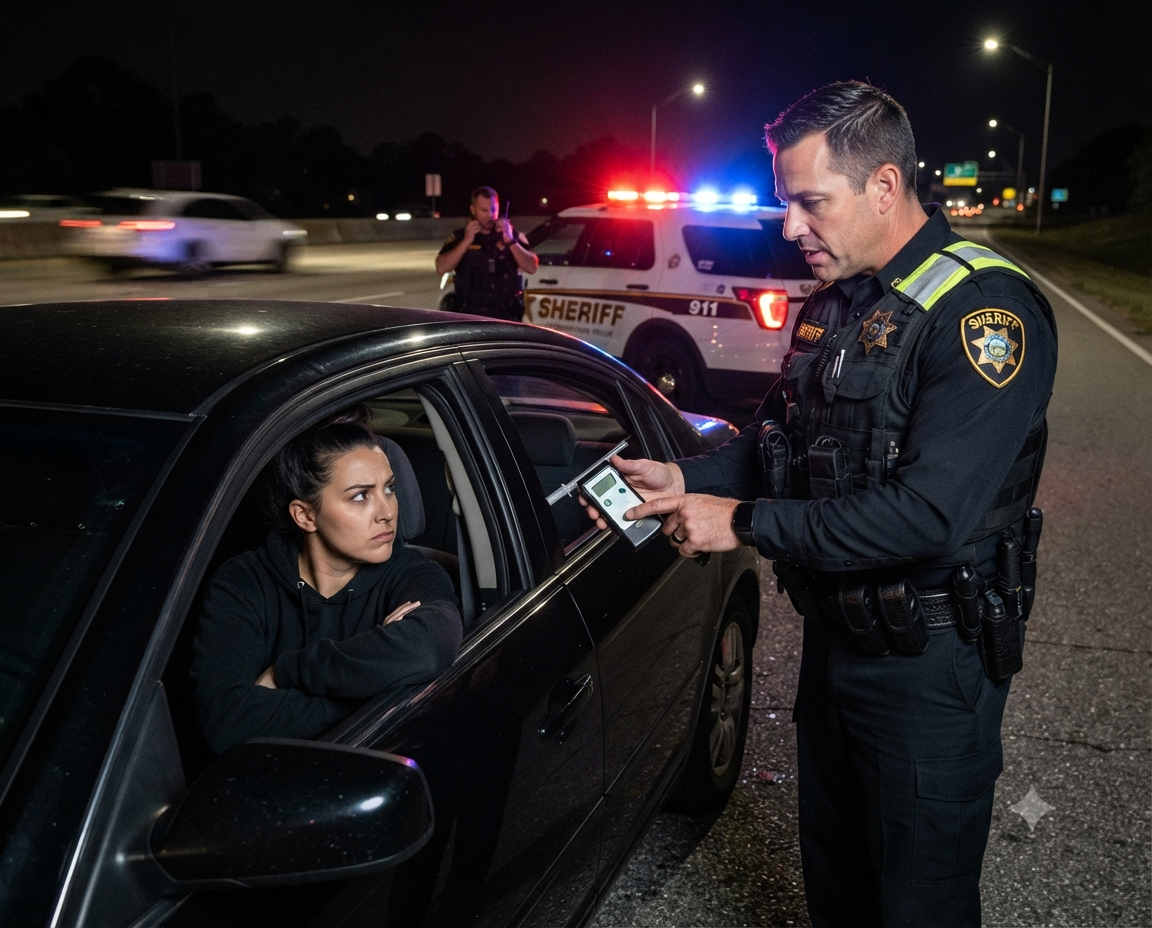
Being arrested for DUI in California can be overwhelming, especially when law enforcement asks you to take a chemical test. Many drivers are unsure whether they can refuse, what happens if they do, and how a refusal may affect their driver’s license and DUI case.
Under California Vehicle Code § 23612, also known as California’s implied consent law, drivers who are lawfully arrested for driving under the influence are generally required to submit to a chemical test to determine their blood alcohol concentration (BAC) or detect the presence of drugs.
DUI test refusal can create additional legal consequences, including a possible driver’s license suspension through the California Department of Motor Vehicles (DMV), increased penalties after a DUI conviction, and the possibility that the refusal may be used as evidence in court.
Understanding how California DUI test refusal laws work can help drivers better understand their rights, responsibilities, and the legal process following a DUI arrest.
What Is California Vehicle Code § 23612?
California Vehicle Code § 23612 is the state’s implied consent law. It provides that drivers who operate motor vehicles in California are considered to have agreed to chemical testing when they are lawfully arrested for DUI and the legal requirements for testing are met.
In simple terms, California drivers have already given implied consent to take a chemical test if they are arrested for suspected DUI.
The purpose of this law is to allow law enforcement to collect evidence regarding possible alcohol or drug impairment. Chemical test results may be used in DUI investigations and court proceedings.
However, implied consent does not mean police can require testing at any time. The law generally applies after a lawful DUI arrest. A traffic stop or suspicion of impairment alone does not automatically trigger the chemical testing requirement.
What Chemical Tests Are Required After a DUI Arrest in California?
After a lawful DUI arrest, California law generally requires a driver to choose between available chemical testing methods.
The main types of DUI chemical tests include:
Blood Test
A blood test measures alcohol concentration and can detect certain drugs. Blood testing is commonly used because it can provide detailed information about substances present in a person’s system.
Breath Test
A breath test measures alcohol concentration through a breath sample. Breath testing is commonly used because it can provide results quickly.
Urine Test
A urine test may be used in certain situations, particularly when drug impairment is suspected or other testing methods are unavailable.
The available testing options may depend on the circumstances of the arrest, the suspected substance involved, and testing availability.
Is Refusing a DUI Chemical Test Illegal in California?
DUI test refusal not usually charged as a separate criminal offense. However, refusal can create additional consequences.
A DUI test refusal may result in:
- A DMV driver’s license suspension
- Additional penalties if convicted of DUI
- The prosecutor presenting evidence of refusal during a DUI trial
The consequences depend on the facts of the case, including whether the refusal was considered willful, whether proper warnings were provided, and whether the driver is convicted of a DUI offense.
What Happens When Someone Refuses a DUI Test in California?
A DUI refusal can create two separate legal matters:
1. The Criminal DUI Case
The criminal case involves allegations that a person drove under the influence of alcohol or drugs. The prosecutor may use available evidence, including:
- Officer observations
- Driving behavior
- Field sobriety test results
- Chemical test results, if available
- Evidence of refusal
A DUI test refusal does not automatically prove impairment. It is only one piece of evidence that may be considered.
2. The DMV License Suspension Process
The DMV handles a separate administrative process known as an Administrative Per Se (APS) hearing.
If the DMV issues a suspension notice after a DUI arrest, drivers generally have a limited period of time to request a hearing to challenge the suspension. In many cases, this deadline is 10 days from receiving the suspension notice.
The DMV process and the criminal court process are separate. A person may need to address both matters independently.
What Counts as a DUI Test Refusal?
Many people assume refusal only happens when someone says “no” to a chemical test. However, California DUI test refusal laws can also apply when a person fails to cooperate with the testing process.
Examples of possible refusal include:
- Verbally declining to take the test
- Failing to provide an adequate breath sample
- Stopping before completing the test
- Delaying testing without a valid reason
- Interfering with the collection of a sample
For example, a driver who repeatedly fails to provide enough breath for a breath test after receiving proper instructions may be accused of refusing the test.
However, an unsuccessful test attempt does not automatically mean a refusal occurred. Factors such as medical conditions, equipment problems, language barriers, or improper instructions may affect whether a refusal allegation is valid.
Can You Refuse a DUI Breath Test in California?
The answer depends on the type of breath test being requested.
California DUI investigations may involve two different types of breath testing:
Preliminary Alcohol Screening (PAS) Test
A PAS test is generally a roadside breath test used during the investigation stage before arrest. The rules regarding whether a driver must take a PAS test can vary depending on the circumstances.
Post-Arrest Chemical Breath Test
After a lawful DUI arrest, a breath test is considered a chemical test under California’s implied consent law. Refusing this test may result in consequences under Vehicle Code § 23612.
Many drivers confuse these two tests, which can lead to misunderstandings about their legal obligations.
Can Refusing a DUI Test Help Avoid a DUI Conviction?
No. Refusing a chemical test does not prevent a DUI case from moving forward.
Even without chemical test results, prosecutors may rely on other evidence, such as:
- Driving patterns
- Statements made by the driver
- Officer observations
- Field sobriety tests
- Video evidence
- Other circumstances surrounding the arrest
Additionally, a refusal may be presented as evidence that the driver knew the test could reveal possible impairment.
Can a DUI Test Refusal Be Used Against You in Court?
Yes. California law allows evidence of a chemical test refusal to be considered in a DUI case.
A prosecutor may argue that a person refused because they believed the test would show evidence of impairment. However, a refusal by itself does not establish guilt.
Courts may consider:
- Whether the driver was properly informed of refusal consequences
- Whether the driver understood the instructions
- Whether the refusal was intentional
- Whether there were valid reasons preventing completion of the test
What Is a DUI Refusal Enhancement in California?
California law allows additional penalties in certain DUI cases involving refusal.
If a person is convicted of DUI and the court finds that they willfully refused a required chemical test after receiving proper warnings, additional penalties may apply.
The effect of a refusal enhancement depends on factors such as:
- The specific DUI charge
- Prior DUI convictions
- The circumstances of the refusal
- Other sentencing factors
Not every DUI refusal case results in the same outcome.
Can a DUI Refusal Suspension Be Challenged?
Yes. A driver may have the ability to challenge a DMV suspension based on a DUI refusal.
Possible issues that may be examined include:
- Whether the DUI arrest was lawful
- Whether the officer provided proper refusal warnings
- Whether the driver actually refused the test
- Whether the driver was capable of completing the test
- Whether testing procedures were followed
The facts surrounding the arrest are important because refusal allegations are often based on specific circumstances.
Common Questions About California DUI Test Refusal
How long does a DUI refusal suspension last in California?
The length of a license suspension depends on factors such as prior DUI history, the type of offense, and the circumstances involved.
Can police force someone to take a DUI blood test?
In some situations, law enforcement may obtain a warrant to collect a blood sample. The legal requirements depend on the circumstances of the case.
Does refusing a DUI test make the DUI penalties worse?
A refusal may lead to additional consequences if a person is convicted of DUI and the refusal enhancement applies.
Can someone refuse a DUI test because they are afraid of failing?
Refusing a chemical test because of concern about the result may still create legal consequences under California law.
Should someone contact an attorney after a DUI refusal?
Because DUI refusal cases involve both criminal and DMV issues, many people seek legal guidance to understand the procedures, deadlines, and possible defenses that may apply.
Why Understanding California Vehicle Code § 23612 Matters
California DUI refusal laws involve several different legal processes, including chemical testing requirements, DMV license suspension procedures, and criminal court proceedings.
Many drivers do not realize that refusing a DUI chemical test can create consequences separate from the DUI charge itself.
Understanding California Vehicle Code § 23612 can help drivers recognize the importance of responding appropriately after a DUI arrest and learning what legal options may be available.
Every DUI case is different, and general legal information cannot determine the outcome of a specific situation.
Key Takeaways
- California’s implied consent law requires drivers arrested for DUI to submit to chemical testing.
- Refusing a required DUI chemical test may result in DMV license suspension consequences.
- A DUI refusal does not automatically mean a person is guilty of driving under the influence.
- Chemical testing requirements generally apply after a lawful DUI arrest.
- Refusal allegations can sometimes be challenged based on the circumstances.
- The DMV and criminal court processes are separate and may require separate responses.
Understanding Your Rights After a California DUI Test Refusal
California Vehicle Code § 23612 requires drivers who are lawfully arrested for DUI to submit to chemical testing. Refusing a required DUI chemical test may result in DMV consequences, additional penalties after conviction, and the possibility that refusal evidence may be presented in court.
Knowing the difference between preliminary alcohol screening tests and post-arrest chemical tests, understanding DMV deadlines, and learning how refusal allegations are evaluated can help drivers better understand the legal process.
Contact Southwest Legal
If you have questions about a DUI chemical test refusal, DMV license suspension, or California Vehicle Code § 23612, understanding the legal process and your available options is an important step after a DUI arrest.
Southwest Legal helps individuals understand California DUI laws and the potential consequences associated with chemical test refusal.
If you need guidance regarding a DUI refusal allegation or related legal matter, contact us today for a free consultation to discuss your situation and learn more about the legal options that may be available.
Disclaimer: This article is for general informational purposes only and does not constitute legal advice or create an attorney-client relationship. No attorney-client relationship is formed unless and until the firm and client enter into an agreement for legal services. Laws may change, and legal outcomes depend on the specific facts of each case. Consult a qualified attorney for advice regarding your situation.