


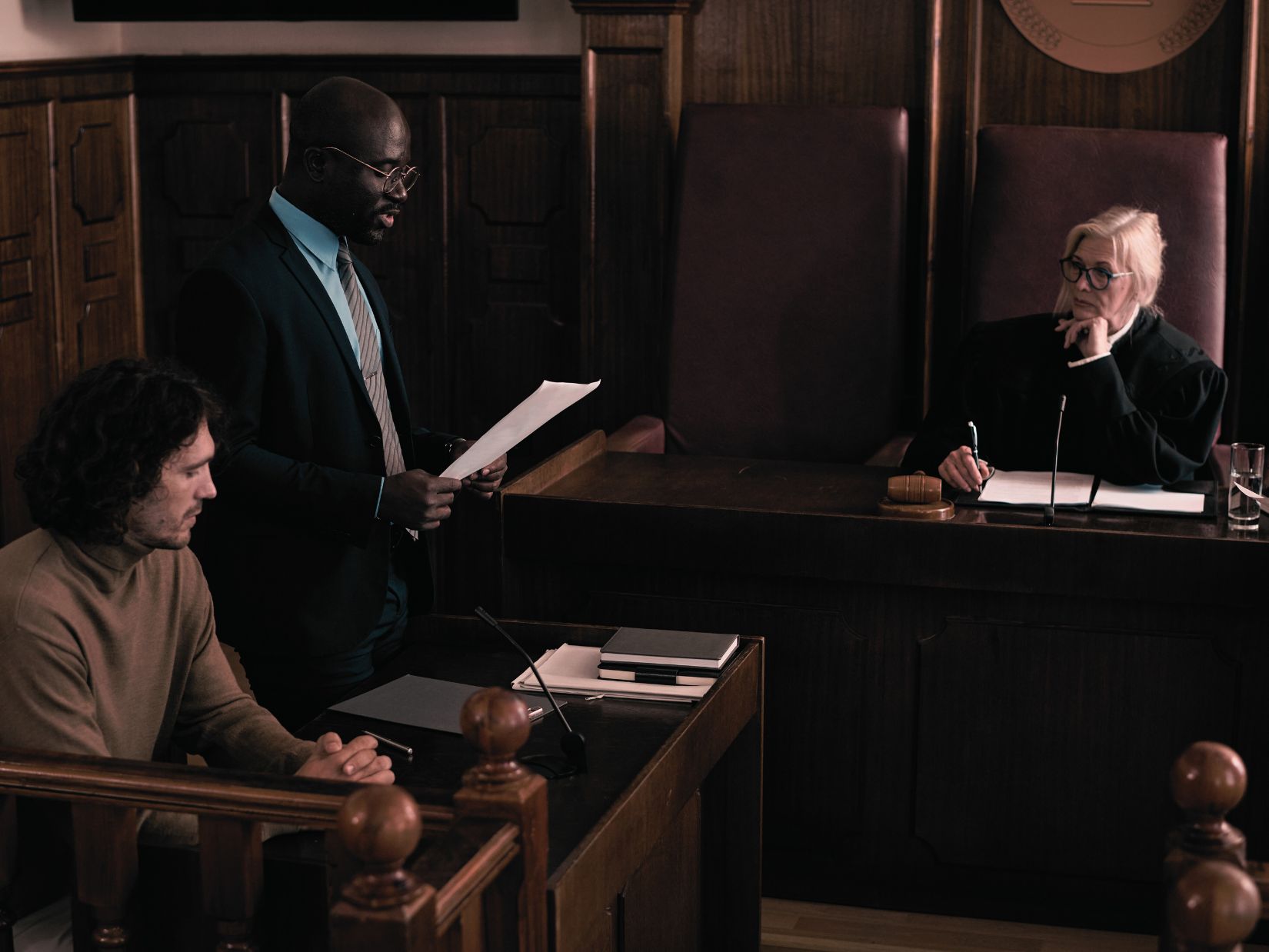
A DUI arrest can be a stressful and confusing experience, particularly if it is your first encounter with the California criminal justice system. After an arrest, one of the first and most important steps in the legal process is the DUI arraignment. This initial court appearance sets the stage for the rest of your criminal case, but many people are unsure what actually happens during the hearing or what they should expect.
Will you have to speak? Can you go to jail at your arraignment? Should you plead guilty? What happens if you miss your court date?
Understanding the purpose of a California DUI arraignment can help reduce uncertainty and better prepare you for what comes next. This guide explains the arraignment process, answers common questions, and provides an overview of what follows after your first court appearance.
What Is a California DUI Arraignment?
A DUI arraignment is the first formal court hearing in a California criminal DUI case. During this hearing, the judge officially informs the defendant of the criminal charges, explains important constitutional rights, and asks the defendant to enter a plea.
Unlike a trial, an arraignment is not a hearing to determine guilt or innocence. Instead, it is a procedural step that formally begins the criminal court process.
For many misdemeanor DUI cases, the charges may involve violations of California Vehicle Code sections such as:
- Vehicle Code § 23152(a): Driving under the influence of alcohol or drugs.
- Vehicle Code § 23152(b): Driving with a blood alcohol concentration (BAC) of 0.08% or higher.
Depending on the circumstances, prosecutors may file additional or different charges, including felony DUI offenses when permitted under California law.
When Does a DUI Arraignment Take Place?
The timing depends on how the arrest was handled.
For example:
- If you were arrested and later released with a citation, your court date will typically appear on your release paperwork.
- If you remained in custody after your arrest, you will generally appear before a judge sooner.
- Court schedules vary by county, so arraignment dates may differ across California.
Because the arraignment is a required court appearance, it is important to pay close attention to the date listed on your paperwork.
What Happens During a California DUI Arraignment?
Although every case is different, most California DUI arraignments follow the same general process.
1. The Judge Calls Your Case
When your case is called, you or your attorney will appear before the judge.
The judge confirms your identity and reviews the criminal complaint filed by the prosecutor.
2. The Charges Are Read
The court explains the charges that have been filed against you.
Depending on the facts, these may include allegations such as:
- Driving under the influence of alcohol
- Driving with a BAC of 0.08% or higher
- Driving under the influence of drugs
- Driving under the combined influence of alcohol and drugs
At this stage, the judge is simply informing you of the charges—not deciding whether they are true.
3. The Judge Explains Your Rights
Every defendant is advised of important constitutional rights, including the right to:
- Be represented by an attorney
- Remain silent
- Have a speedy public trial
- Present evidence
- Cross-examine prosecution witnesses
- Require the prosecution to prove guilt beyond a reasonable doubt
These protections apply throughout the criminal case.
4. Entering a Plea
One of the main purposes of the arraignment is entering a plea.
The three most common plea options are:
Not Guilty
A not guilty plea means you deny the allegations.
The case will continue through the court process, allowing both sides to review evidence and prepare for future hearings.
Guilty
A guilty plea accepts responsibility for the offense.
Depending on the circumstances, sentencing may occur immediately or be scheduled for another hearing.
No Contest (Nolo Contendere)
A no contest plea means you do not contest the criminal charge.
For most misdemeanor DUI cases, it generally has the same criminal consequences as a guilty plea, although it may affect certain civil matters differently.
Because entering a plea can have significant legal consequences, it is an important decision in every criminal case.
5. Bail or Release Conditions May Be Addressed
If applicable, the judge may also review:
- Bail
- Release conditions
- Protective orders
- Future court dates
Not every DUI arraignment involves these issues, but they may arise depending on the facts of the case.
6. The Court Schedules the Next Hearing
If the case is not resolved during the arraignment, the judge schedules the next court appearance.
This may include:
- Pretrial conferences
- Motion hearings
- Settlement discussions
- Trial
Can You Go to Jail at a DUI Arraignment?
One of the most common questions people ask is whether they can be taken into custody during their first court appearance.
For many first-time misdemeanor DUI cases where the defendant has been released before arraignment, jail is not typically the primary purpose of the hearing.
However, every case is different. Depending on the circumstances, the judge may address custody status, bail, or release conditions. Individuals who fail to appear in court or who have more serious charges may face additional consequences.
Do You Have to Speak at the Arraignment?
Usually, very little.
Many defendants only answer basic questions, such as confirming their identity or entering a plea.
If you have an attorney, the attorney often handles much of the communication with the court.
Witnesses generally do not testify, and evidence is typically not presented during the arraignment.
Do You Have to Appear in Person?
For many misdemeanor DUI cases in California, an attorney may be able to appear on behalf of the defendant, depending on the court’s local rules and the specific circumstances.
However, felony DUI cases and certain other situations may require the defendant’s personal appearance.
Because court procedures differ among counties, it is important to understand the requirements that apply to your case.
What Happens If You Miss Your DUI Arraignment?
Missing a scheduled court appearance can create additional legal problems.
Depending on the circumstances, the court may:
- Issue a bench warrant
- Reschedule the hearing
- Take other action permitted by law
If you are unable to attend your scheduled arraignment, it is generally important to address the issue as quickly as possible.
Should You Plead Guilty at Your First Court Appearance?
Many people wonder whether they should simply plead guilty and get the case over with.
There is no single answer that applies to every situation. Each DUI case involves unique facts, evidence, and legal issues.
Before entering any plea, it is important to understand the charges, the available evidence, and the potential consequences of your decision.
Will the Judge Decide Whether You’re Guilty?
No.
This is one of the biggest misconceptions about a DUI arraignment.
The judge does not hear witnesses, evaluate police testimony, or decide whether the prosecution has proven its case.
Instead, the arraignment focuses on:
- Advising you of the charges
- Explaining your rights
- Accepting your plea
- Scheduling future proceedings
Questions about guilt or innocence are resolved later if the case proceeds.
Can a DUI Case Be Dismissed at the Arraignment?
Although it is possible for legal issues to arise early in a case, it is relatively uncommon for a contested DUI case to be dismissed during the initial arraignment alone.
Instead, dismissal issues are more commonly addressed later after attorneys review:
- Police reports
- Chemical test results
- Witness statements
- Body camera footage
- Other available evidence
What Happens After a California DUI Arraignment?
The arraignment is only the beginning of the criminal court process.
The next stages often include:
Pretrial Hearings
Attorneys discuss the case, exchange information, and address legal issues before trial.
Discovery
California law generally requires prosecutors to provide certain evidence that may include:
- Police reports
- Breath or blood test results
- Dash camera recordings
- Body camera footage
- Witness statements
Legal Motions
Attorneys may ask the court to resolve legal questions before trial, such as issues involving evidence or procedure.
Plea Negotiations
Some DUI cases are resolved before trial through negotiated agreements, while others continue through the court process.
Trial
If no agreement is reached, the prosecution must prove every element of the charged offense beyond a reasonable doubt.
Don’t Forget About Your Driver’s License
Many people are surprised to learn that a DUI arrest can involve two separate legal processes:
- The criminal court case.
- Administrative proceedings involving driving privileges.
These processes operate independently, meaning the outcome of one does not automatically determine the outcome of the other. Certain administrative deadlines may apply following a DUI arrest.
Example: A Typical California DUI Arraignment
Imagine that Sarah is arrested for a first-time DUI after a traffic stop in Orange County. She is released the same evening and receives paperwork directing her to appear in court three weeks later.
At her arraignment:
- The judge confirms Sarah’s identity.
- The prosecutor’s charges are read aloud.
- The judge explains Sarah’s constitutional rights.
- Sarah enters a not guilty plea.
- The judge schedules a future pretrial conference.
No witnesses testify, no evidence is introduced, and the judge does not determine whether Sarah is guilty. The hearing simply moves the case into the next stage of the criminal process.
Another Example: Missing an Arraignment
John receives a citation after his DUI arrest but mistakenly forgets about his scheduled court date.
Because he does not appear, the court may issue a bench warrant and require him to address the missed appearance before the case can move forward.
This example illustrates why paying close attention to court dates is an important part of the legal process.
Frequently Asked Questions
How long does a DUI arraignment take?
Once your case is called, the hearing itself may last only a few minutes. However, you may spend considerably longer waiting for your case to be heard depending on the court’s schedule.
Is a DUI arraignment the same as a trial?
No. An arraignment is simply the first court appearance where charges are formally presented and a plea is entered.
Will witnesses testify?
Generally, no. Witness testimony usually occurs later if the case proceeds to trial or an evidentiary hearing.
Can family members attend?
Courtrooms are generally open to the public unless the court orders otherwise.
Can my attorney appear for me?
In many misdemeanor DUI cases, a DUI defense attorney may be permitted to appear on your behalf, depending on local court rules and the circumstances of your case.
What should I wear?
Business casual clothing is generally appropriate. Dressing respectfully demonstrates professionalism and respect for the court.
Key Takeaways
A California DUI arraignment is the first formal step in the criminal court process following a DUI arrest. During this hearing, the court explains the charges, advises the defendant of important legal rights, accepts a plea, and schedules future proceedings.
Although the arraignment is an important milestone, it is not a trial and does not determine guilt or innocence. Understanding what typically happens during this first court appearance can help individuals better prepare for the legal process ahead.
Every DUI case is different. Factors such as the specific charges, the available evidence, prior criminal history, and local court procedures can all influence how a case progresses.
Contact Southwest Legal
Need Guidance About a California DUI Arraignment?
If you or a loved one is facing a California DUI arraignment, understanding the legal process is an important first step. Knowing what to expect at your first court appearance can help you make informed decisions as your case moves forward.
Southwest Legal is committed to helping individuals understand California DUI proceedings and the legal process that follows an arrest. If you have questions about DUI arraignments, court procedures, or the stages of a California DUI case, contact us today for a free consultation. Our team can help you better understand the legal process, discuss your circumstances, and explain the options that may be available to you.
Disclaimer: This article is for general informational purposes only and does not constitute legal advice or create an attorney-client relationship. No attorney-client relationship is formed unless and until the firm and client enter into an agreement for legal services. Laws may change, and legal outcomes depend on the specific facts of each case. Consult a qualified attorney for advice regarding your situation.