


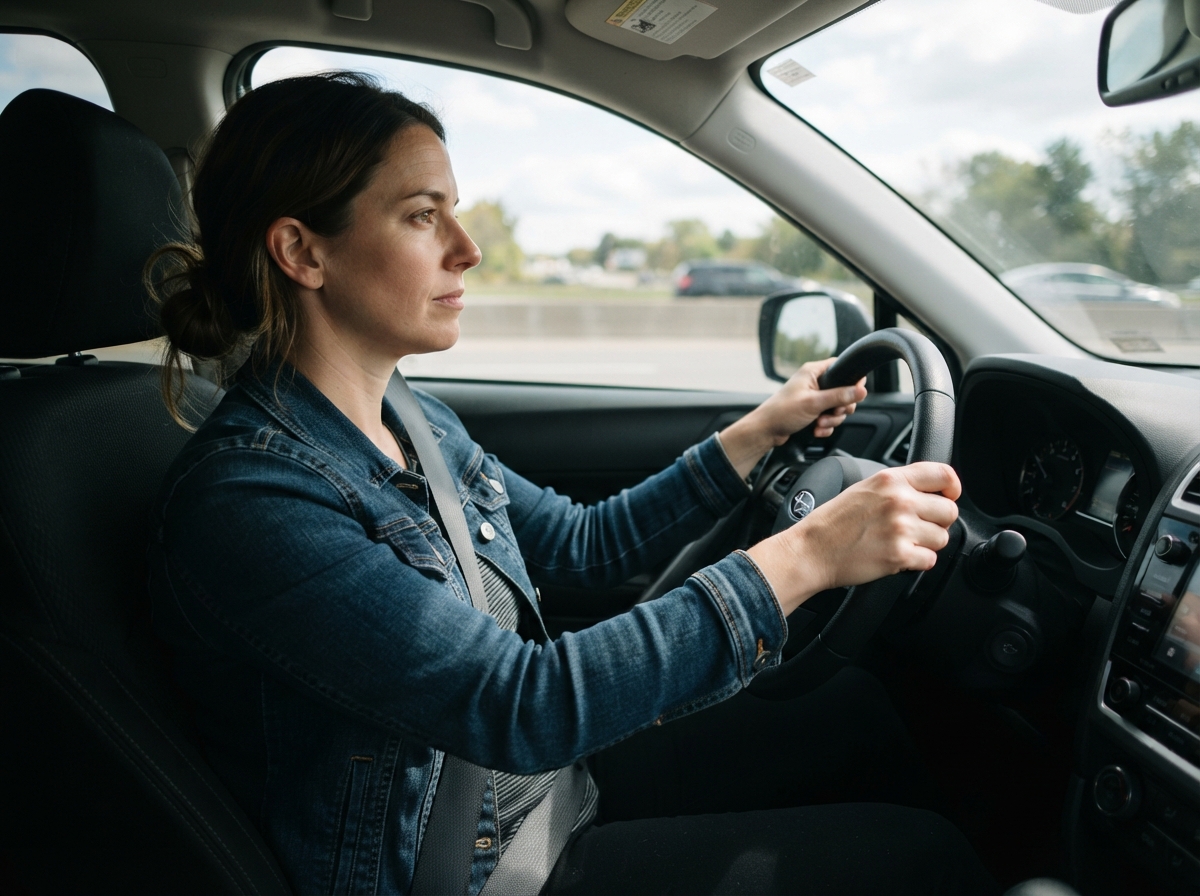
California Vehicle Code § 27315 is the state’s principal law governing safety-belt use in certain motor vehicles. The law establishes who must wear a seat belt, requirements for properly wearing one, certain exceptions, vehicle-owner responsibilities, and penalties for violations.
This article explains the California seat belt law applicable in 2026 and highlights important changes scheduled to take effect on January 1, 2027.
Who Must Wear a Seat Belt in California?
Under Vehicle Code § 27315, drivers and passengers 16 years of age or older generally must be properly restrained by a safety belt while traveling in a covered motor vehicle on a California highway.
The law places an obligation on both the driver and adult passengers. A passenger age 16 or older generally has an independent duty to wear a seat belt.
California has separate laws governing younger passengers and child restraint systems.
What Does “Properly Restrained” Mean?
For the version of Vehicle Code § 27315 applicable in 2026, proper restraint generally requires the safety belt to be properly positioned across the occupant’s body.
The lap portion should be positioned across the hips or upper thighs, while the shoulder portion, when present, should cross the chest in front of the occupant.
A shoulder belt should not be placed behind the back or under the arm.
Important 2027 change
Beginning January 1, 2027, a revised version of Vehicle Code § 27315 is scheduled to become operative. It provides a more detailed five-step definition of proper restraint.
The revised requirements address whether the occupant:
-
Sits all the way back against the vehicle seat.
-
Has the knees bend over the edge of the seat.
-
Has the shoulder belt snugly cross the center of the chest and shoulder rather than the neck.
-
Has the lap belt positioned as low as possible and touching the thighs.
-
Can remain seated in that position for the entire trip.
Because of this change, the date of an alleged violation can matter when determining which requirements apply.
What About Children?
California’s child passenger restraint laws are separate from Vehicle Code § 27315.
Generally, children under eight years old or shorter than 4 feet 9 inches must be properly secured in an appropriate child passenger restraint system, subject to applicable exceptions.
Children who are at least eight years old or at least 4 feet 9 inches tall may generally use a properly secured safety belt.
The specific circumstances can affect which child-restraint requirement applies.
Are There Exceptions to the Seat Belt Law?
Yes. Vehicle Code § 27315 contains several exceptions.
Medical conditions
A person with a qualifying physical or medical condition may be exempt when the statutory requirements are satisfied. The law requires appropriate certification from a licensed physician and surgeon or licensed chiropractor explaining the condition and why use of the safety belt is inappropriate.
Simply having a medical condition does not automatically create an exemption.
Certain occupational activities
The statute provides limited exceptions for certain activities, including specific newspaper delivery, rural postal delivery, and solid-waste or recyclable-material collection activities.
These exceptions apply only when their statutory conditions are met and should not be treated as blanket exemptions from seat belt use.
Emergency vehicles and specialized vehicles
Vehicle Code § 27315 contains additional provisions and exceptions involving authorized emergency vehicles, taxicabs, and limousines for hire.
The requirements can differ depending on the vehicle and the occupant’s position.
Are Vehicle Owners Required to Maintain Seat Belts?
Yes.
Owners of covered motor vehicles generally must maintain required safety belts in good working order for occupant use.
The safety belts must comply with applicable federal motor vehicle safety requirements, subject to the exceptions provided by law.
What Is the Penalty for a Seat Belt Violation?
Violations of the applicable seat belt provisions of Vehicle Code § 27315 are infractions.
The statutory fine is:
-
Up to $20 for a first offense
-
Up to $50 for a subsequent offense
The actual amount payable on a citation may be higher because additional assessments, fees, and court costs can apply.
Does a Seat Belt Ticket Add Points to Your Driving Record?
A Vehicle Code § 27315 violation is generally assigned zero DMV points.
However, a citation can still result in fines and other court-related consequences.
Can You Challenge a Seat Belt Ticket?
A person who receives a seat belt citation can review the alleged violation and the available court options.
Depending on the circumstances, relevant issues may include:
-
Whether Vehicle Code § 27315 applied.
-
Whether the person was properly restrained.
-
Whether a statutory exception applied.
-
Whether the vehicle’s safety belt was required and functioning.
-
Whether the citation accurately identifies the alleged violation.
The outcome of any challenge depends on the specific facts and evidence.
Why the 2027 Change Matters
California’s seat belt law is changing on January 1, 2027.
The revised version of Vehicle Code § 27315 is scheduled to introduce a more detailed statutory definition of proper restraint. Therefore, someone researching a seat belt citation should identify the date of the alleged violation before relying on the 2026 or 2027 requirements.
Frequently Asked Questions
Is wearing a seat belt mandatory in California?
Generally, yes. Drivers and passengers covered by Vehicle Code § 27315 must be properly restrained while traveling on a highway, subject to statutory exceptions.
Do adult passengers have to wear seat belts?
Yes. Passengers 16 and older generally have an independent obligation to wear a safety belt.
Can I put the shoulder belt behind my back?
No. The shoulder portion should be positioned across the chest rather than behind the back or under the arm.
How much is a California seat belt ticket?
The statutory fine is up to $20 for a first offense and up to $50 for a subsequent offense, before applicable additional assessments and costs.
Does a seat belt violation add a DMV point?
Generally, no. Vehicle Code § 27315 violations are generally assigned zero DMV points.
Do motorcycles have to comply with Vehicle Code § 27315?
No. Motorcycles are excluded from the definition of “motor vehicle” used in this section.
Key Takeaways
-
California Vehicle Code § 27315 generally requires drivers and passengers age 16 and older to wear safety belts.
-
Adult passengers have their own obligation to wear a seat belt.
-
Children are subject to separate child-restraint laws.
-
California law provides limited exceptions, including certain medical and occupational circumstances.
-
Vehicle owners generally must maintain required safety belts in working order.
-
A § 27315 violation is an infraction.
-
The statutory fine is up to $20 for a first offense and $50 for a subsequent offense, plus applicable assessments and costs.
-
A § 27315 violation generally carries zero DMV points.
-
A revised version of the statute is scheduled to become operative on January 1, 2027, including a more detailed definition of proper restraint.
-
The date of the alleged violation is important when determining which version of the law applies.
Contact Southwest Legal
Need Help Understanding a California Seat Belt Citation?
A seat belt citation may appear straightforward, but the applicable statute, the date of the alleged violation, the circumstances of the traffic stop, and any applicable exception can all matter.
If you have questions about a California Vehicle Code § 27315 citation or another traffic-related legal issue, Southwest Legal can help you understand the legal issues that may apply to your situation. Getting informed about your rights, responsibilities, deadlines, and available options can be an important first step.
Contact us today for a free consultation to discuss your legal concerns and learn more about the next steps that may be available to you.
Disclaimer: This article is for general informational purposes only and does not constitute legal advice or create an attorney-client relationship unless and until the firm and client enter into an agreement for legal services. Laws may change, and legal outcomes depend on the specific facts of each case. Consult a qualified attorney for advice regarding your situation.