


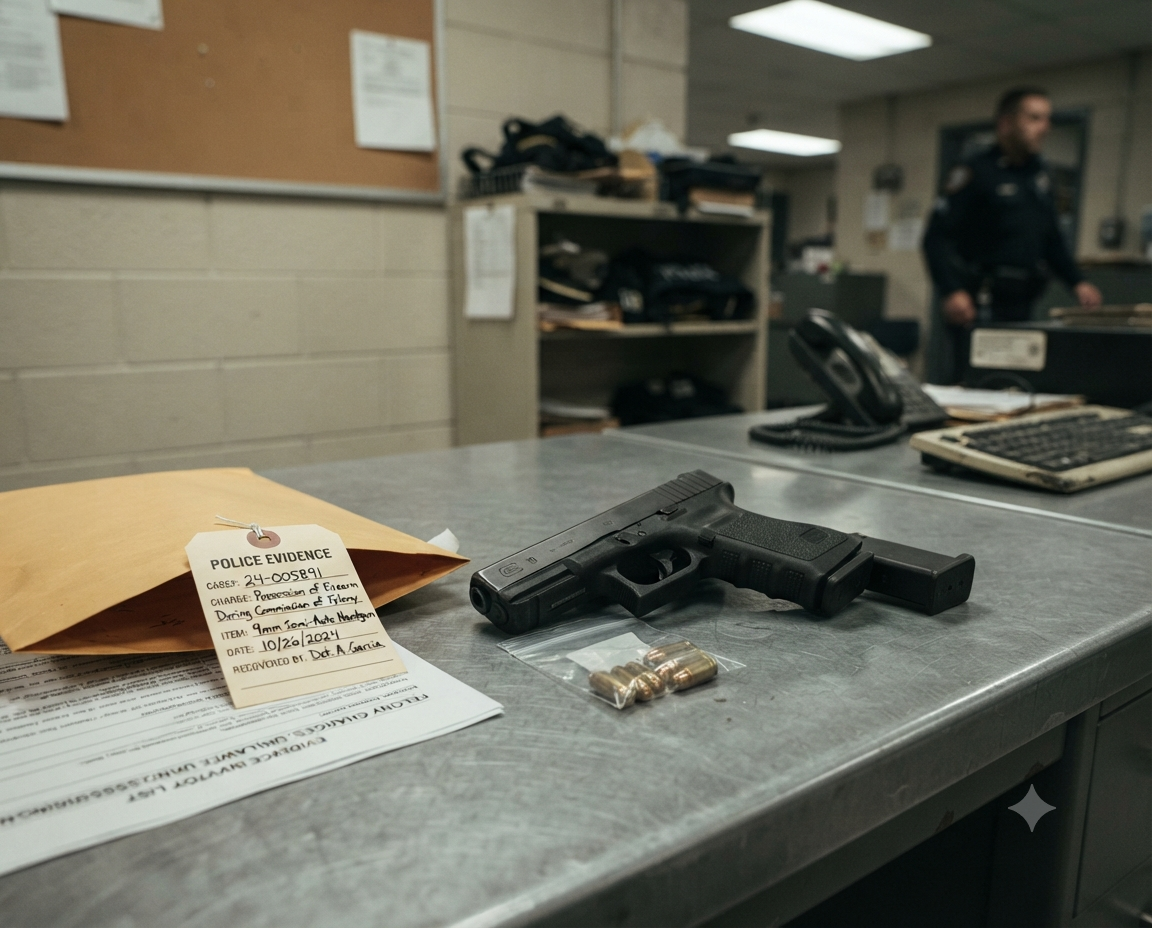
Facing felony charges involving a firearm can significantly increase the potential penalties under California law. One of the most important firearm sentencing enhancements is California Penal Code § 12022.5, which allows additional prison time when a person personally uses a firearm during the commission or attempted commission of certain felonies.
Unlike a criminal offense, Penal Code § 12022.5 is not a separate crime. Instead, it is a sentencing enhancement that may increase the punishment for an underlying felony if the prosecution proves the required legal elements beyond a reasonable doubt.
Whether you are researching California firearm laws or trying to understand how sentencing enhancements work, this guide explains Penal Code § 12022.5 in clear, easy-to-understand language.
What Is California Penal Code § 12022.5?
California Penal Code § 12022.5 authorizes additional prison time for defendants who personally use a firearm during the commission or attempted commission of a felony.
Rather than creating a separate criminal charge, the statute increases the sentence for the underlying felony when the prosecution proves that the defendant personally used a firearm while committing the offense.
The enhancement generally applies unless the use of a firearm is already an element of the underlying crime or another California statute specifically governs the firearm enhancement.
What Does “Personal Use of a Firearm” Mean?
One of the most important aspects of Penal Code § 12022.5 is the requirement that the defendant personally used the firearm.
Personal use generally means the firearm was intentionally used in a way that helped commit or attempt to commit the felony. Depending on the facts of the case, this may include:
- Pointing a firearm at another person.
- Displaying a firearm to intimidate a victim.
- Brandishing a firearm during the crime.
- Firing the weapon.
- Using the firearm to facilitate the commission of the felony.
Simply owning, carrying, or having a firearm nearby does not automatically qualify as personal use. Prosecutors must prove that the firearm played an active role in the offense.
Does the Firearm Have to Be Fired?
No.
A common misconception is that the enhancement applies only when someone pulls the trigger. Under Penal Code § 12022.5, firing the firearm is not required.
For example, pointing a handgun at a store clerk during a robbery to force compliance may constitute personal use, even if no shots are fired and no one is injured.
What Are the Penalties?
If Penal Code § 12022.5 applies, the court may impose additional prison time beyond the sentence for the underlying felony.
The enhancement is generally:
- 3, 4, or 10 years for the personal use of a firearm.
- 5, 6, or 10 years if the firearm used is a machine gun or assault weapon.
These enhancements are generally imposed consecutively to the sentence for the underlying felony. The sentencing court determines the appropriate term based on California’s sentencing laws and the facts of the case.
Does This Enhancement Apply to Every Felony?
No.
Penal Code § 12022.5 applies to many felony offenses, but not every felony.
Additionally, the enhancement generally does not apply when the personal use of a firearm is already an element of the underlying offense, unless another statute expressly authorizes the enhancement.
California has several firearm enhancement laws, including Penal Code § 12022.53, which applies to certain specified serious and violent felonies. The applicable enhancement depends on the offense charged and the facts of the case.
What Must the Prosecution Prove?
To obtain a sentencing enhancement under Penal Code § 12022.5, prosecutors generally must prove beyond a reasonable doubt that:
- The defendant committed or attempted to commit a qualifying felony.
- The defendant personally used a firearm during the commission or attempted commission of that felony.
- The enhancement is legally applicable under California law.
If the prosecution cannot prove each required element, the enhancement should not be imposed.
Common Defenses
Every criminal case is different, and the available defenses depend on the specific facts and evidence. Some common legal issues include:
The Firearm Was Not Personally Used
The defense may argue that the firearm was never displayed, pointed, or otherwise used to facilitate the crime. Mere possession is generally insufficient.
Insufficient Evidence
The prosecution bears the burden of proving every element beyond a reasonable doubt. Conflicting witness testimony, unclear surveillance footage, or a lack of physical evidence may weaken the enhancement allegation.
Mistaken Identity
If prosecutors cannot establish that the defendant was the individual who personally used the firearm, the enhancement may not apply.
Constitutional Violations
Evidence obtained through unlawful searches, improper police conduct, or violations of constitutional rights may be challenged in court.
Can a Judge Strike the Enhancement?
Yes, in some circumstances.
Under California Penal Code § 1385, courts have discretion to strike or dismiss certain sentencing enhancements, including firearm enhancements, when doing so is in the interest of justice. Whether a court exercises that discretion depends on the specific facts of the case, the applicable law, and the interests of justice.
Example
Suppose an individual enters a convenience store intending to commit robbery. During the robbery, the individual points a handgun at the cashier and demands money. Although the firearm is never fired and no one is injured, prosecutors may allege that the defendant personally used a firearm during the robbery.
If the defendant is convicted of robbery and the enhancement is found true, the court may impose additional prison time under Penal Code § 12022.5.
On the other hand, if the firearm remained concealed throughout the incident and was never used to threaten or facilitate the crime, the prosecution may have difficulty proving the enhancement.
Key Takeaways
- California Penal Code § 12022.5 is a sentencing enhancement—not a standalone criminal offense.
- The enhancement generally applies when a person personally uses a firearm during the commission or attempted commission of certain felonies.
- Personal use of a firearm may add 3, 4, or 10 years to a state prison sentence.
- If the firearm is a machine gun or assault weapon, the enhancement may be 5, 6, or 10 years.
- The firearm does not have to be fired for the enhancement to apply.
- Simply possessing a firearm is generally not enough. Prosecutors must prove the firearm was personally used.
- In some cases, a court may have discretion under California law to strike or dismiss the enhancement in the interest of justice.
Frequently Asked Questions
Is Penal Code § 12022.5 a separate criminal charge?
No. It is a sentencing enhancement that increases the punishment for certain felony convictions involving the personal use of a firearm.
Is carrying a firearm enough for the enhancement?
Not necessarily. Prosecutors generally must prove the firearm was personally used during the commission or attempted commission of the felony.
Does someone have to be injured?
No. The enhancement may apply even if no one suffers physical injury.
Does the firearm have to be loaded?
The statute focuses on the personal use of a firearm rather than whether it was loaded. However, the specific facts of the case may affect how the evidence is evaluated.
Can the enhancement apply to attempted felonies?
Yes. Penal Code § 12022.5 applies to both the commission and attempted commission of qualifying felonies.
Can a judge dismiss the enhancement?
In some cases, yes. California courts may have discretion under Penal Code § 1385 to strike or dismiss certain firearm enhancements when appropriate and in the interest of justice.
Conclusion
California Penal Code § 12022.5 is an important sentencing enhancement that can substantially increase the penalties for certain felony convictions involving the personal use of a firearm. Because the enhancement depends on specific legal requirements and the facts of each case, understanding how the law works is essential for anyone facing related charges or researching California criminal law.
Contact Southwest Legal
If you have questions about California Penal Code § 12022.5 or how a firearm sentencing enhancement may affect a criminal case, the experienced California criminal defense attorneys at Southwest Legal can help you better understand the legal process and your available options. Contact us today for a free consultation to discuss your case and learn more about your rights under California law.
Disclaimer: This article is for general informational purposes only and does not constitute legal advice or create an attorney-client relationship. No attorney-client relationship is formed unless and until the firm and client enter into an agreement for legal services. Laws may change, and legal outcomes depend on the specific facts of each case. Consult a qualified attorney for advice regarding your situation.