


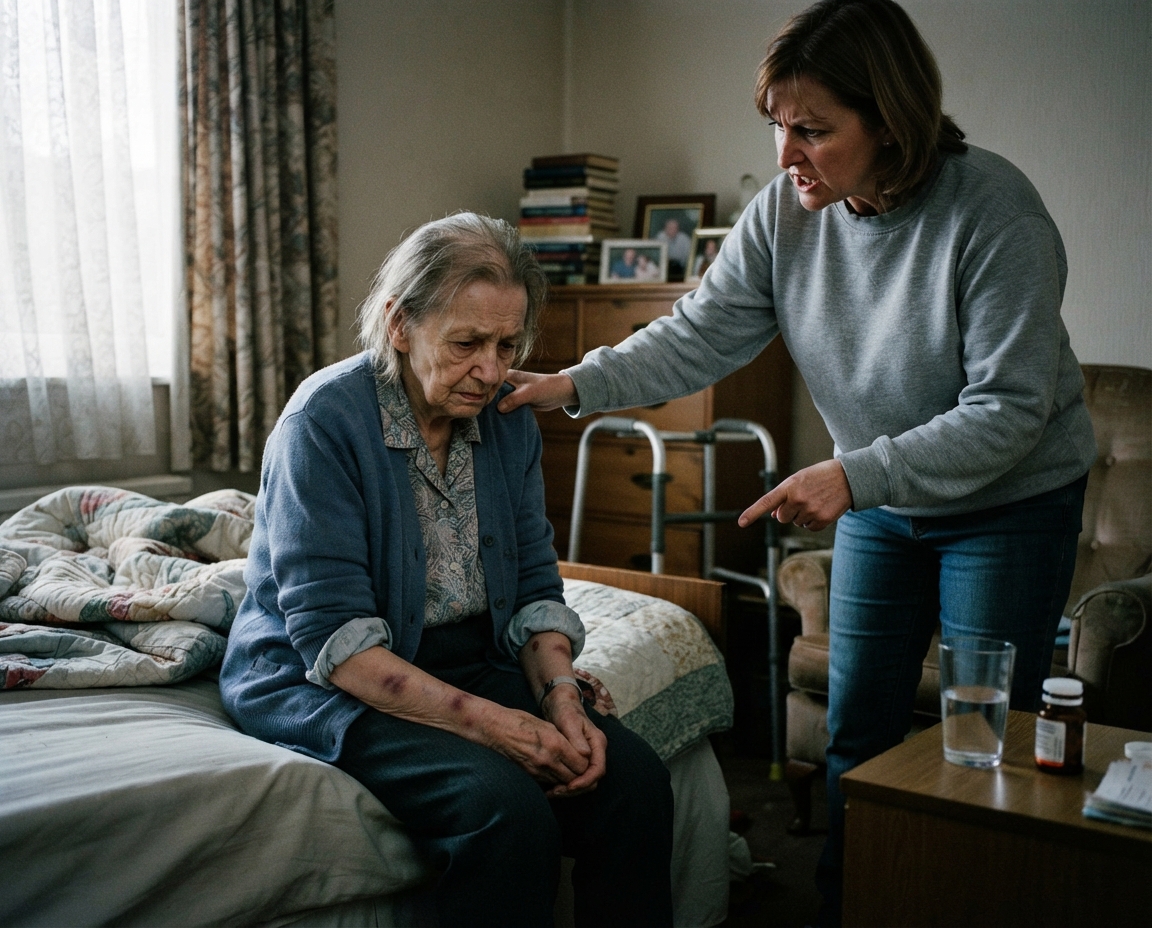
California Penal Code § 368(c) makes certain forms of abuse against elders and dependent adults a misdemeanor. The law can apply to conduct involving unjustifiable physical pain or mental suffering, as well as certain acts or omissions that cause injury or place an elder or dependent adult in danger.
Understanding what § 368(c) covers is important because not every allegation involving an older adult qualifies as criminal elder abuse. California law distinguishes misdemeanor abuse under § 368(c) from more serious felony elder abuse based largely on the circumstances and level of danger involved. The specific conduct alleged, the defendant’s relationship to the elder or dependent adult, and the required mental state can all affect whether the statute applies.
What Is California Penal Code § 368(c)?
California Penal Code § 368(c) addresses misdemeanor elder abuse and dependent adult abuse. The statute applies to conduct involving an elder or dependent adult when the circumstances are other than those likely to produce great bodily harm or death.
Depending on the circumstances, § 368(c) can apply when a person:
-
Willfully inflicts unjustifiable physical pain or mental suffering on an elder or dependent adult.
-
Willfully causes or permits an elder or dependent adult to suffer.
-
Has care or custody of an elder or dependent adult and willfully causes or permits the person’s health to be injured.
-
Has care or custody and willfully causes or permits the person to be placed in a situation where their person or health may be endangered.
The specific elements that must be proven depend on the theory of elder abuse alleged in the case.
Who Is Protected by Penal Code § 368(c)?
California’s elder abuse law protects elders and qualifying dependent adults.
An elder is a person who is 65 years of age or older.
A dependent adult generally refers to a person between 18 and 64 who has qualifying physical or mental limitations that restrict the person’s ability to carry out normal activities or protect their rights. The statute also covers certain adults admitted as inpatients to qualifying 24-hour health facilities.
Therefore, Penal Code § 368(c) is not limited to situations involving people age 65 or older.
What Conduct Can Be Misdemeanor Elder Abuse?
California Penal Code § 368(c) covers several forms of conduct. The facts of the case determine whether the alleged conduct meets the statutory requirements.
Physical pain
A person may face a § 368(c) charge for willfully inflicting unjustifiable physical pain on an elder or dependent adult.
For example, a caregiver intentionally uses excessive force while handling an elderly person during routine care, causing unnecessary physical pain. If the other elements of the offense are established and the circumstances were not likely to produce great bodily harm or death, the conduct could potentially constitute misdemeanor elder abuse.
Mental suffering
Section 368(c) also addresses unjustifiable mental suffering.
An allegation does not necessarily require a visible physical injury. Conduct that intentionally causes unjustifiable mental suffering may fall within the statute when the other required elements are established.
Whether suffering is legally “unjustifiable” depends on the circumstances.
Injury or endangerment
When a defendant has care or custody of an elder or dependent adult, § 368(c) also addresses conduct that causes or permits the person’s health to be injured or places the person in a situation where their person or health may be endangered.
For example, a person responsible for an elderly individual’s care knowingly leaves that individual in a dangerous situation that threatens their health. Depending on the facts and required mental state, the conduct could potentially support a § 368(c) charge.
What Does “Willfully” Mean Under Penal Code § 368(c)?
“Willfully” generally means acting deliberately or on purpose rather than accidentally.
However, the mental-state requirements can vary depending on the specific theory of elder abuse charged.
For example, a prosecution based on directly inflicting unjustifiable physical pain or mental suffering generally requires proof that the defendant acted willfully. Other theories involving causing or permitting suffering, injury, or endangerment can involve additional requirements concerning the defendant’s conduct and mental state.
California’s standard jury instructions for § 368(c) recognize different theories of liability. As a result, the precise allegations in the criminal charge are important.
What Does “Unjustifiable” Mean in an Elder Abuse Case?
Not every instance of physical discomfort or difficult caregiving is criminal elder abuse.
For purposes of § 368(c), physical pain or mental suffering must be unjustifiable. In general, this refers to pain or suffering that is not reasonably necessary or is excessive under the circumstances.
For example, reasonable physical assistance provided to an elderly person with mobility problems does not automatically constitute elder abuse simply because the assistance causes some discomfort.
The circumstances surrounding the conduct matter, including what happened, why it happened, and whether the conduct was reasonably necessary.
Does Elder Abuse Require a Caregiver Relationship?
Not necessarily.
Certain § 368(c) theories specifically require the defendant to have care or custody of the elder or dependent adult. Other theories, including certain allegations involving the direct infliction of unjustifiable physical pain or mental suffering, do not necessarily require the same care-or-custody relationship.
Care or custody is therefore a fact-specific issue. It is not limited to professional caregivers or family members.
Is Penal Code § 368(c) a Felony or Misdemeanor?
Penal Code § 368(c) is a misdemeanor.
The distinction between § 368(c) and the felony provisions of California’s elder abuse law is important.
Section 368(c) applies when the conduct occurs under circumstances other than those likely to produce great bodily harm or death.
By contrast, Penal Code § 368(b)(1) addresses elder or dependent adult abuse occurring under circumstances or conditions likely to produce great bodily harm or death and can result in felony charges.
| Penal Code section | General classification | Key distinction |
|---|---|---|
| § 368(c) | Misdemeanor | Circumstances other than those likely to produce great bodily harm or death |
| § 368(b)(1) | Felony | Circumstances likely to produce great bodily harm or death |
The distinction depends on the circumstances of the alleged conduct, not simply on whether the elder suffered an actual injury.
What Is the Penalty for Misdemeanor Elder Abuse Under § 368(c)?
Penal Code § 368(c) classifies the offense as a misdemeanor.
Because § 368(c) does not establish a separate punishment for the misdemeanor, California’s general misdemeanor sentencing law generally applies. A conviction can result in:
-
Up to six months in county jail;
-
A fine of up to $1,000; or
-
Both jail time and a fine.
The actual sentence in a particular case depends on the circumstances, applicable sentencing rules, the defendant’s criminal history, and the court’s decision.
What Must the Prosecution Prove for a § 368(c) Conviction?
The exact elements depend on the specific theory charged.
Generally, a § 368(c) case may involve proving that:
-
The alleged victim was an elder or qualifying dependent adult.
-
The defendant knew or reasonably should have known that the person was an elder or dependent adult.
-
The defendant engaged in conduct covered by the particular theory of § 368(c).
-
The required mental state was present.
-
The conduct occurred under circumstances other than those likely to produce great bodily harm or death.
For some theories, the prosecution must prove that the defendant willfully inflicted unjustifiable physical pain or mental suffering.
Other theories involving a defendant who has care or custody can involve different requirements, including the circumstances in which the defendant caused or permitted injury or endangerment.
Because § 368(c) contains multiple theories of liability, the precise wording of the charge matters.
Can an Accident Be Misdemeanor Elder Abuse?
An accidental injury does not automatically constitute elder abuse under § 368(c).
The prosecution must prove the elements and mental state required for the particular theory charged.
For example, if an elderly person accidentally falls while receiving reasonable assistance from a caregiver, the mere fact that an injury occurred does not by itself establish a violation of § 368(c).
The circumstances surrounding the incident and the defendant’s conduct must be considered.
What Are Examples of Penal Code § 368(c) Elder Abuse?
Consider these hypothetical examples:
Example 1: Excessive physical force
A caregiver intentionally uses unnecessary and excessive force while helping an elderly resident move from a bed to a chair. The resident experiences physical pain, but the circumstances are not likely to produce great bodily harm or death.
Depending on the evidence, the conduct could potentially support a § 368(c) charge.
Example 2: Unjustifiable mental suffering
A person intentionally engages in conduct that causes an elderly individual unjustifiable mental suffering.
If the prosecution can establish the required statutory elements and mental state, the conduct could potentially constitute misdemeanor elder abuse.
Example 3: Dangerous care situation
A person with care or custody of an elderly individual knowingly permits the person to remain in a situation that may endanger their health.
Depending on the circumstances and applicable mental-state requirements, the conduct could potentially fall under § 368(c).
Example 4: Accidental injury
An elderly person is accidentally injured during ordinary caregiving.
The injury alone would not automatically establish misdemeanor elder abuse. The prosecution would still need to prove the applicable elements of § 368(c).
What Is the Difference Between § 368(c) and § 368(b)(1)?
The most important distinction is the degree of danger involved in the circumstances.
Penal Code § 368(c) applies to misdemeanor elder or dependent adult abuse occurring under circumstances other than those likely to produce great bodily harm or death.
Penal Code § 368(b)(1) addresses more serious conduct occurring under circumstances or conditions likely to produce great bodily harm or death.
The distinction does not depend solely on whether the victim actually suffered great bodily harm. The circumstances and conditions surrounding the alleged conduct are important.
Because the classification can affect the potential penalties and seriousness of the case, the specific facts alleged in a criminal complaint matter.
What Evidence May Be Used in an Elder Abuse Case?
Evidence in a § 368(c) case depends on the allegations. Potentially relevant evidence can include:
-
Medical records
-
Photographs or videos
-
Witness testimony
-
Caregiving records
-
Text messages or other communications
-
Statements made by the alleged victim or witnesses
-
Law enforcement reports
-
Evidence concerning the defendant’s relationship to the elder or dependent adult
-
Evidence concerning the circumstances of an alleged injury, suffering, or dangerous condition
An accusation or arrest is not the same as proof of guilt. The prosecution must prove the applicable elements beyond a reasonable doubt in a criminal case.
Frequently Asked Questions
Is Penal Code § 368(c) misdemeanor elder abuse?
Yes. Penal Code § 368(c) makes specified elder and dependent adult abuse a misdemeanor when the conduct occurs under circumstances other than those likely to produce great bodily harm or death.
How old must someone be to qualify as an elder?
For purposes of Penal Code § 368, an elder is generally a person 65 years of age or older.
Can someone be charged with elder abuse without causing a physical injury?
Yes. Section 368(c) can apply to unjustifiable physical pain or mental suffering and, under certain circumstances, injury or endangerment. A visible physical injury is not required for every theory of liability.
Does § 368(c) apply to dependent adults?
Yes. The statute protects qualifying dependent adults as well as elders.
Does the defendant have to be a family member?
No. California’s elder abuse law is not limited to family relationships. Depending on the theory charged, it can apply to caregivers and other individuals.
What is the maximum jail sentence for misdemeanor elder abuse?
Generally, misdemeanor § 368(c) is subject to California’s general misdemeanor sentencing law, which provides for up to six months in county jail, a fine of up to $1,000, or both, unless another applicable law provides otherwise.
What makes elder abuse a felony instead of a misdemeanor?
One important distinction is whether the alleged conduct occurred under circumstances or conditions likely to produce great bodily harm or death. Such circumstances can implicate Penal Code § 368(b)(1), rather than misdemeanor § 368(c).
Does an accidental injury automatically lead to an elder abuse conviction?
No. An accidental injury does not automatically establish a violation of § 368(c). The prosecution must prove the elements and required mental state of the particular offense charged.
Key Takeaways
California Penal Code § 368(c) addresses misdemeanor elder abuse and dependent adult abuse.
The key points are:
-
An elder is generally a person 65 or older.
-
Penal Code § 368(c) is a misdemeanor.
-
The statute can cover unjustifiable physical pain or mental suffering.
-
Certain conduct involving injury or endangerment may also qualify.
-
The required mental state depends on the particular theory charged.
-
Care or custody is relevant to certain § 368(c) theories.
-
Section 368(c) applies when the circumstances are not likely to produce great bodily harm or death.
-
More serious circumstances may result in charges under Penal Code § 368(b)(1).
-
A misdemeanor conviction can generally carry up to six months in county jail, a fine of up to $1,000, or both.
Understanding exactly what California Penal Code § 368(c) prohibits—and how it differs from felony elder abuse—can be important when an accusation or criminal charge involves an older or dependent adult.
Contact Southwest Legal
If you are dealing with a California Penal Code § 368(c) allegation, Southwest Legal can help you understand the charge, the legal issues involved, and what the California criminal process may look like. Getting clear information early can help you better understand what comes next.
Contact us today for a free consultation.
Disclaimer: This article is for general informational purposes only and does not constitute legal advice or create an attorney-client relationship unless and until the firm and client enter into an agreement for legal services. Laws may change, and legal outcomes depend on the specific facts of each case. Consult a qualified attorney for advice regarding your situation.