


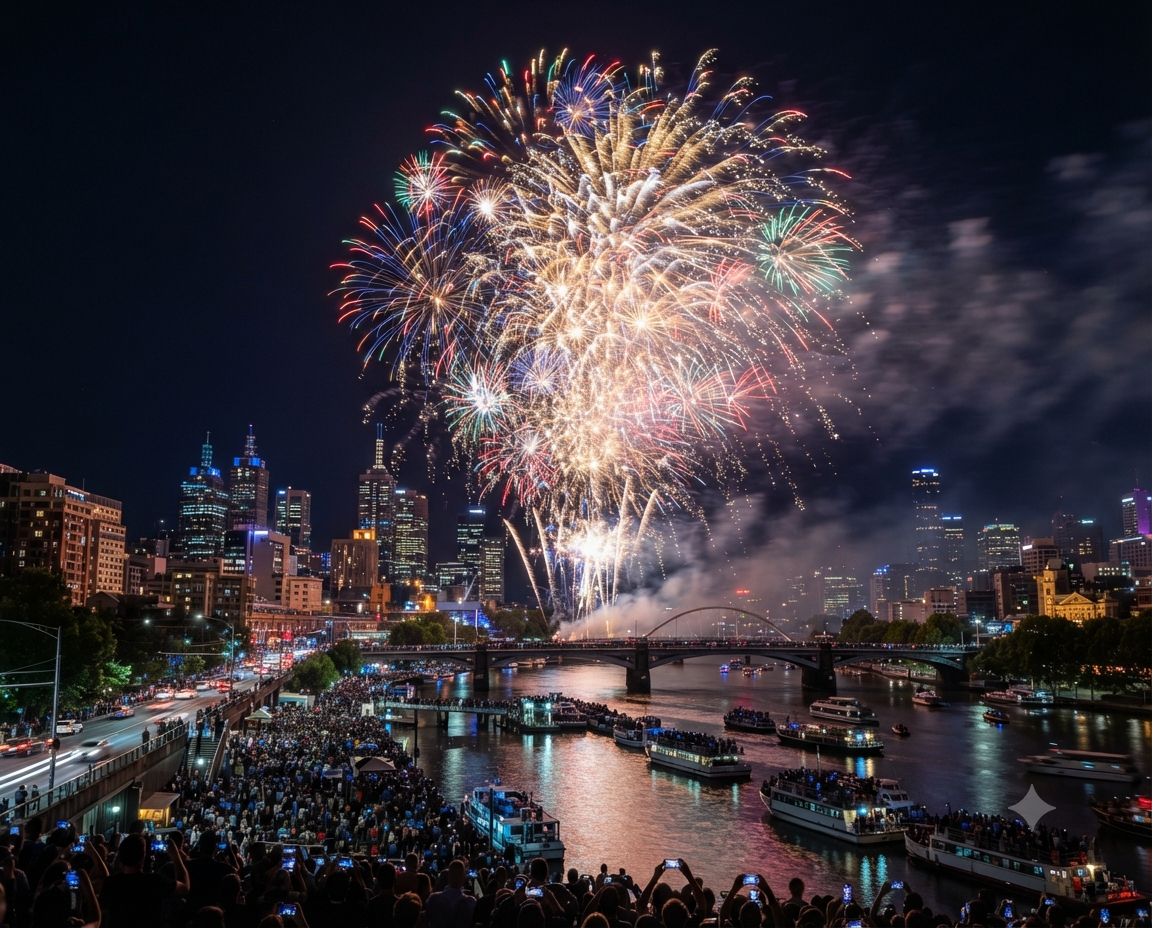
Fireworks are a common part of celebrations across the United States, especially during holidays like the Fourth of July and New Year’s Eve. However, in California, fireworks are heavily regulated and in many cases strictly prohibited. These laws are designed to reduce wildfire risks, protect public safety, and prevent property damage.
Despite this, many people are unaware of how strict California’s fireworks laws really are. What may seem like a harmless celebration can quickly turn into a criminal matter with serious consequences.
This guide explains what fireworks are legal in California, which ones are illegal, and the penalties you could face for violating the law.
Understanding California Fireworks Laws
California divides fireworks into two main categories:
- “Safe and Sane” fireworks
- Illegal or “dangerous” fireworks
This classification determines whether a firework can be sold or used by the general public.
However, even fireworks that are legal under state law may still be banned in certain cities or counties. This means legality depends not only on what you use, but also where you use it.
What Fireworks Are Legal in California?
Only fireworks classified as “Safe and Sane” are allowed for consumer use in some parts of California.
To qualify as safe and sane, fireworks must:
- Not explode
- Not fly into the air
- Stay controlled on the ground
- Be approved by the California State Fire Marshal
Examples of legal fireworks in approved areas include:
- Fountains
- Ground-based sparklers (approved versions)
- Smoke devices
- Small spinning ground devices
These fireworks are typically sold only during a limited time of year by licensed vendors, usually around late June and early July.
Important limitation:
Even if a firework is labeled “safe and sane,” it is only legal in cities that allow it. Many cities in California ban all consumer fireworks entirely due to fire danger.
What Fireworks Are Illegal in California?
Any fireworks that are not classified as “safe and sane” are considered illegal for public use.
Illegal fireworks include:
- Firecrackers
- Bottle rockets
- Roman candles
- Aerial shells
- Sky rockets
- Any fireworks that explode or launch into the air
These items are banned because they pose a significant risk of injury, fires, and property damage.
Possessing or using illegal fireworks can lead to criminal charges even if they are not ignited.
Local Laws Can Be Even Stricter
One of the most important things to understand is that California allows cities and counties to enforce stricter fireworks rules than the state.
As a result:
- A firework may be legal in one city
- But completely illegal just a few miles away
Many cities in California prohibit all fireworks, including those classified as safe and sane.
Because of this, residents are responsible for checking local rules before purchasing or using any fireworks.
Bringing Fireworks Into California
A common misunderstanding is that fireworks purchased in another state are legal to bring into California.
In most cases, this is not allowed.
Even fireworks that are legal elsewhere may be illegal in California if they are not approved by the State Fire Marshal. Transporting or importing illegal fireworks into the state can result in serious penalties.
Penalties for Illegal Fireworks in California
Violating fireworks laws in California can lead to serious consequences, depending on the type and amount of fireworks involved, as well as whether harm or damage occurs.
Misdemeanor Charges
Most illegal fireworks violations are charged as misdemeanors, which may include:
- Fines ranging from hundreds to thousands of dollars
- Up to one year in county jail
More Serious Cases
If large quantities of illegal fireworks are involved, or if there is evidence of distribution, penalties may increase and could include:
- Higher fines
- Longer jail sentences
- Potential felony charges in certain situations
If Fire or Injury Occurs
If fireworks lead to a fire, injury, or property damage, additional charges may apply, such as:
- Reckless burning
- Negligent endangerment
- Arson-related offenses in severe cases
These charges can carry significant prison time and financial liability.
Civil Liability
In addition to criminal penalties, individuals may also be held financially responsible for:
- Fire damage to property
- Emergency response costs
- Medical expenses for injuries caused by fireworks
How Fireworks Laws Are Enforced
Law enforcement agencies in California actively enforce fireworks laws, especially during peak holiday periods.
Common enforcement actions include:
- Confiscation of illegal fireworks
- Citations and fines issued on the spot
- Neighborhood patrols during holidays
- Investigations following fire incidents
In many areas, enforcement increases significantly around July 4th due to higher risk of fires and injuries.
Common Misunderstandings About Fireworks
Many people unintentionally violate fireworks laws because of common misconceptions, such as:
- “If I bought it legally somewhere, I can use it anywhere”
- “Sparklers are always safe and legal”
- “If it’s sold in stores, it must be legal in my city”
- “I can bring fireworks from another state”
These assumptions can lead to criminal charges and unexpected legal consequences.
Why California Has Strict Fireworks Laws
California’s strict fireworks regulations exist primarily because of:
- High wildfire risk due to dry conditions
- Dense residential areas
- History of large fires caused by fireworks
- Strain on emergency response systems during holidays
Even small fireworks can start fires that spread quickly under California’s climate conditions.
Why Fireworks Charges Should Be Taken Seriously
Although some fireworks violations may seem minor, they can escalate quickly depending on the situation. Factors that increase severity include:
- Large amounts of fireworks
- Use in restricted or high-risk areas
- Injury or property damage
- Prior offenses
A fireworks-related charge can impact your criminal record, finances, and even employment opportunities.
Because of this, it is important to take any citation or criminal allegation seriously and seek legal guidance.
Conclusion
California has some of the strictest fireworks laws in the country. While limited “safe and sane” fireworks may be permitted in certain areas, many explosive or airborne fireworks are prohibited. Local governments may also impose additional restrictions, making it important to understand the specific rules that apply in your area.
Fireworks violations can result in significant consequences, including fines, criminal charges, and potential jail time, especially when property damage or injuries are involved. If you are facing a fireworks-related charge, understanding your rights and legal options as soon as possible can help you make informed decisions about your case.
Contact Southwest Legal
If you or someone you know has been cited or charged with a fireworks violation in Southern California, legal help is available. At Southwest Legal, we understand how quickly a fireworks case can escalate and the serious consequences it may carry.
Our team is dedicated to protecting your rights, challenging the evidence, and helping you pursue the best possible outcome for your case. With experienced legal guidance, you can better understand your options and the steps available to protect your future.
Contact us today for a free consultation and get the legal support you need to move forward with confidence.