


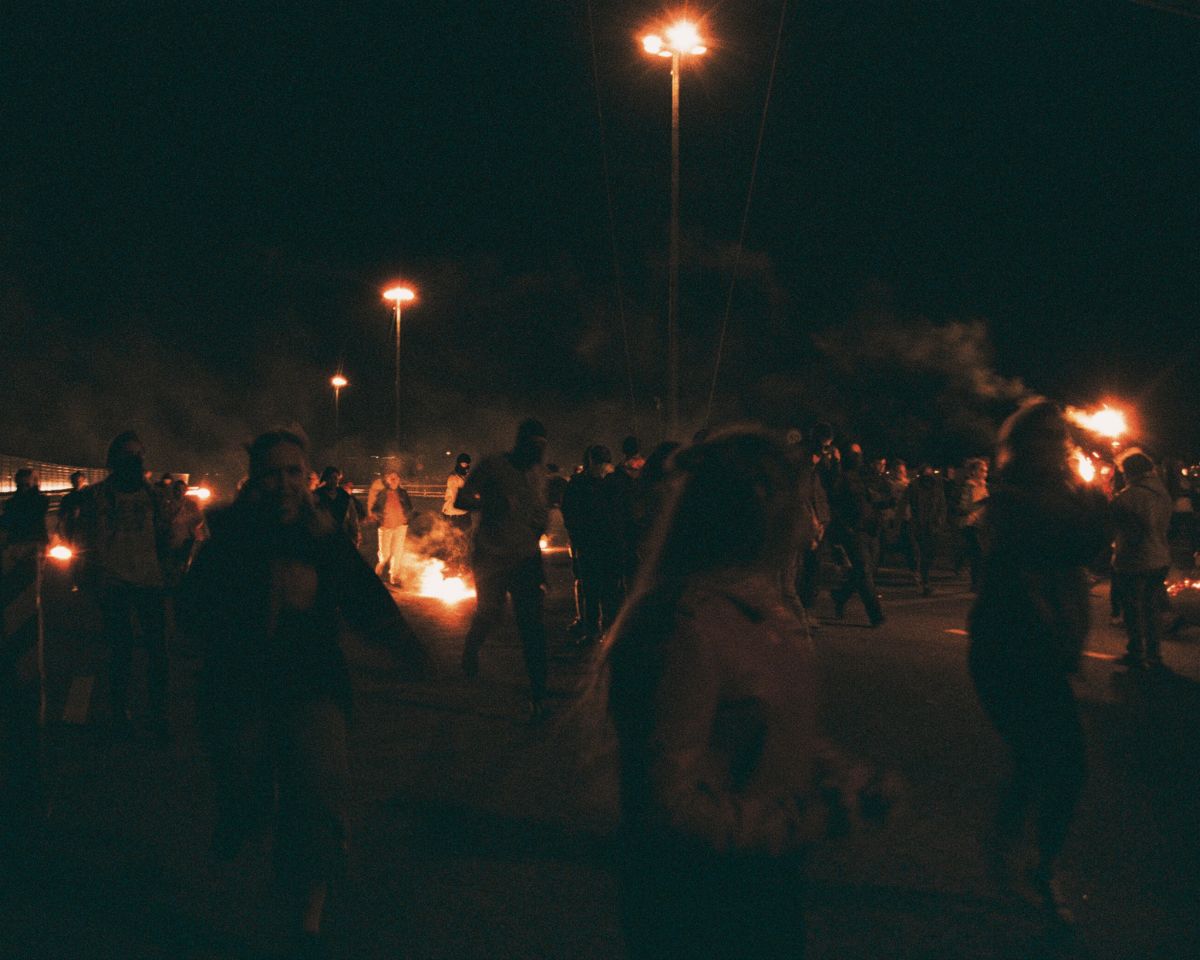
When people search for information about California Penal Code § 404 (PC 404), they often want to know what the law considers a riot, what conduct can lead to charges, what penalties apply, and how to defend against such accusations. This article explains the law in clear, practical language to help you understand your rights under California criminal law.
What Is Considered a “Riot” Under PC 404
Under California Penal Code § 404, a riot occurs when two or more people act together without legal authority to use force or violence, disturb the public peace, or threaten to use force or violence while having the immediate ability to carry out that threat.
In simple terms, a riot involves group actions that use or threaten force in a way that disrupts public order. The law also recognizes that a riot can occur anywhere, including within prisons, jails, or juvenile facilities.
To qualify as a riot under PC 404, there must be:
-
Two or more people acting together;
-
No lawful authority for their actions;
-
Use of violence, force, or threats of force; and
-
The immediate ability to carry out those threats.
What Counts as Participating in a Riot
You can be charged with rioting if you actively participate in the group’s violent or threatening behavior.
Participation means taking action that contributes to or supports the riot — such as damaging property, attacking others, or encouraging violence.
Simply being present at the scene is not enough to be convicted. If you were nearby but did not participate, threaten anyone, or encourage violence, that can be a valid defense.
Examples:
-
A crowd begins breaking windows and setting fires after a protest. Those who join in the destruction can be charged with rioting.
-
Two individuals peacefully protesting without threats or violence are not rioting.
-
A bystander who remains at the scene but takes no part in the violence may not be guilty of rioting.
Penalties for Participating in a Riot
While PC 404 defines what a riot is, Penal Code § 405 sets out the punishment.
Participating in a riot is generally treated as a misdemeanor offense in California.
Possible penalties include:
-
Up to one year in county jail;
-
A fine of up to $1,000;
-
Or both jail time and a fine.
In some cases, a judge may allow summary probation instead of jail time.
However, if the riot occurs inside a correctional facility or results in serious injury, prosecutors may pursue felony charges, which carry harsher penalties.
Related Crimes and Offenses
Several other California laws often accompany or relate to riot charges.
Inciting a Riot (PC 404.6)
This offense applies when someone encourages or urges others to riot, even if they do not personally engage in violence. To be guilty of incitement, the person must intend to cause a riot and create a clear and immediate danger of violence or property damage. This is also a misdemeanor.
Unlawful Assembly (PC 407–408)
When two or more people gather to commit an unlawful act or behave in a violent or boisterous way, it can be considered an unlawful assembly. This misdemeanor carries potential jail time and fines.
Failure to Disperse (PC 409)
If law enforcement issues a lawful order to leave an area where a riot or unlawful assembly is taking place, and someone refuses to comply, they may face a misdemeanor charge for failure to disperse.
Disturbing the Peace (PC 415)
This lesser offense involves fighting, making unreasonable noise, or using offensive language likely to provoke violence. It carries lower penalties but still results in a criminal record.
How Prosecutors Prove a Riot Case
To convict someone under PC 404, prosecutors must show beyond a reasonable doubt that:
-
Two or more people acted together;
-
They used or threatened force or violence;
-
Their actions disturbed the public peace;
-
They acted without legal authority; and
-
Any threats could be carried out immediately.
If even one of these elements is missing, the charge may not hold up in court.
Common Defenses to Riot Charges
The best defense depends on the facts of the case, but common strategies include:
1. Mere Presence – Being at the scene does not mean participating in the riot.
2. Free Speech Protection – Peaceful protest and expression are protected by the Constitution.
3. No Immediate Threat – A threat that cannot be carried out right away may not qualify under the statute.
4. Mistaken Identity – Chaotic situations can lead to false or confused identification.
5. Lack of Intent – You were unintentionally caught up in a crowd without intending to take part in violence.
A skilled criminal defense attorney can identify which of these defenses applies and work to have charges reduced or dismissed.
Example Scenarios
Riot After a Sporting Event
A group of fans celebrates a win but starts overturning cars and throwing bottles. Those who take part in the destruction can be charged with rioting.
Peaceful Protest Turns Violent
A lawful protest escalates when a few individuals start vandalizing property. Only those engaged in violence or encouraging it can be charged.
Refusal to Leave After Police Orders
When officers order a crowd to disperse and someone refuses, that person could face separate charges under PC 409, even if they were not violent.
Consequences Beyond Jail Time
A conviction for rioting can have long-term effects that go beyond fines or incarceration.
Consequences may include:
-
A permanent criminal record;
-
Employment and licensing difficulties;
-
Immigration consequences for non-citizens;
-
Damage to reputation; and
-
Travel or security clearance issues.
Because of these serious implications, anyone facing riot-related charges should seek immediate legal assistance.
Protecting Your Rights
Both the U.S. and California Constitutions guarantee the right to peaceful protest and free expression, but those rights do not extend to violent or destructive behavior.
If you are ever arrested at a protest or public gathering:
-
Stay calm and do not resist;
-
Avoid making statements to police;
-
Request an attorney immediately; and
-
Contact a qualified criminal defense lawyer as soon as possible.
Key Takeaways
-
A riot under PC 404 involves group violence, threats, or public disturbance without lawful authority.
-
Participation or encouragement can lead to misdemeanor criminal charges.
-
Peaceful protest is protected, but violence or destruction removes that protection.
-
Defenses such as lack of participation, mistaken identity, or free speech rights may apply.
-
Legal guidance is essential to protect your rights and minimize the impact of charges.
Call to Action — Contact Southwest Legal
If you or someone you know has been arrested or charged under California Penal Code § 404 PC (Rioting) or a related offense, do not face the system alone. At Southwest Legal, our experienced criminal defense attorneys have the knowledge and determination to protect your rights, challenge the evidence, and fight for the best possible result. We offer strategic defense, personal attention, and strong courtroom advocacy throughout Southern California. Call us today for a free, confidential consultation and take the first step toward protecting your freedom and your future.