


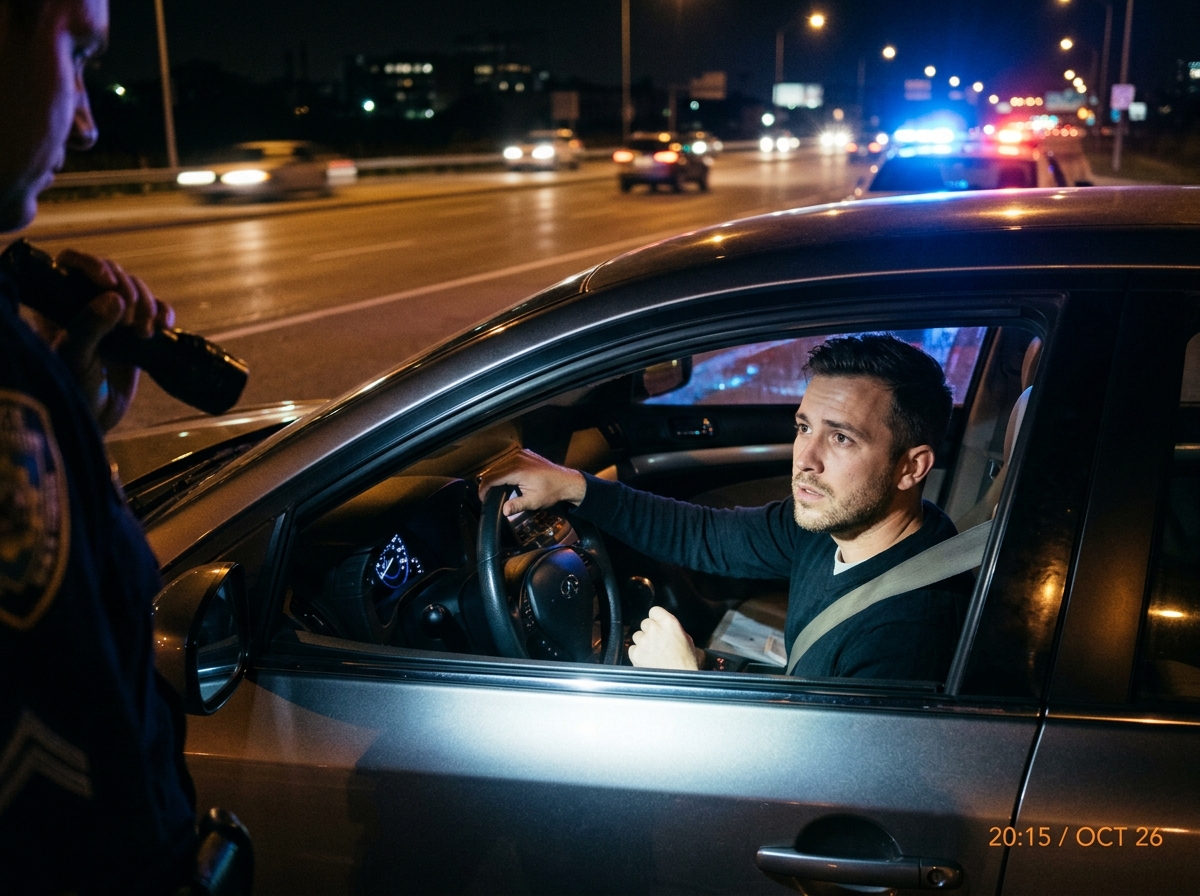
California Vehicle Code § 14603 addresses driving in violation of restrictions placed on a driver’s license. A person who has a restricted license must follow the conditions attached to that license. Driving outside those conditions can result in a Vehicle Code 14603 violation.
License restrictions can apply in different circumstances. They may limit when a person can drive, where the person can drive, who may be transported, or what conditions must be met before operating a vehicle.
Understanding exactly what restriction applies is important when dealing with a California Vehicle Code § 14603 citation.
What Is California Vehicle Code § 14603?
California Vehicle Code § 14603 makes it unlawful to operate a motor vehicle in violation of the provisions of a restricted driver’s license.
In simple terms, a driver with a restricted license must follow the restrictions attached to that license.
For example, if a driver’s license restricts the driver’s operation of a vehicle to certain circumstances and the driver operates the vehicle outside those circumstances, the driver may be cited under VC 14603.
The key issue is whether the driver’s conduct violated an actual restriction on the person’s license.
What Is a Restricted Driver’s License?
A restricted driver’s license allows a person to drive subject to specific limitations.
The restrictions depend on the circumstances surrounding the driver’s license. A restriction may address:
-
The hours when the person may drive.
-
The purpose for which the person may drive.
-
Passengers the driver may carry.
-
Equipment required on the vehicle.
-
Other conditions placed on the driving privilege.
Because restrictions vary, drivers should review the specific conditions attached to their license rather than assuming all restricted licenses have identical requirements.
Common Vehicle Code § 14603 Violations
One common situation involves a provisional driver’s license.
California provisional drivers can be subject to restrictions concerning nighttime driving and passengers.
For example, a driver under 18 with a provisional license is generally restricted from driving between 11 p.m. and 5 a.m. during the first 12 months after receiving the license.
A provisional driver is also generally restricted from transporting passengers under 20 during that period unless a qualifying exception applies.
Example: Nighttime Driving
A 17-year-old with a provisional license drives alone at 1 a.m.
If the driver is still subject to the nighttime restriction and no legal exception applies, the driver may face a citation for violating the applicable license restriction.
Example: Passenger Restriction
A 17-year-old provisional driver transports several passengers under 20 without a qualifying adult in the vehicle.
If no exception applies, the conduct may violate the passenger restriction.
These examples illustrate why having a valid driver’s license does not necessarily mean a person can drive without restrictions.
Are There Exceptions to Provisional License Restrictions?
Yes. California law provides exceptions to certain provisional-license restrictions.
Depending on the circumstances, exceptions may involve:
-
Employment.
-
School-related activities.
-
Medical needs.
-
Transportation of an immediate family member.
Some exceptions require appropriate documentation.
For example, a driver relying on an employment-related exception may need documentation showing why driving is necessary for employment.
The requirements for an exception should be carefully reviewed because simply claiming that an exception exists does not necessarily satisfy the applicable legal requirements.
Does Vehicle Code § 14603 Apply Only to Teen Drivers?
No.
Although provisional drivers are a common example, Vehicle Code § 14603 concerns restricted driver’s licenses generally.
The particular restriction attached to the license determines what conduct may constitute a violation.
This means an adult with a restricted license can also potentially face a VC 14603 citation if the person operates a vehicle contrary to the applicable restriction.
What Is the Penalty for a Vehicle Code § 14603 Violation?
The consequences of a VC 14603 violation depend on the applicable classification and circumstances.
California’s current traffic penalty schedule contains different entries associated with Vehicle Code § 14603. The applicable amount may include a base fine along with additional assessments and fees.
Some classifications may also carry a DMV point.
Because penalty schedules can change, there is no single amount that should automatically be assumed to apply to every VC 14603 citation.
The citation and current court information should be reviewed to determine the applicable amount and requirements.
Does Vehicle Code § 14603 Add a Point to Your License?
A VC 14603 violation may result in a DMV point, depending on the applicable classification.
Not every entry associated with § 14603 carries the same point classification. Therefore, it is important to determine how the particular violation is classified.
A DMV point can matter because points become part of a driver’s record and may contribute to additional DMV consequences when combined with other qualifying violations.
Can a Vehicle Code § 14603 Violation Affect Your Driver’s License?
It can.
The effect of a violation depends on the driver’s circumstances, the classification of the violation, and the driver’s existing record.
For drivers with provisional licenses, additional traffic violations can potentially lead to further restrictions, probation, or suspension under California’s provisional-driver rules.
A driver should therefore consider both the immediate citation and any potential effect on the driving record.
Is Vehicle Code § 14603 the Same as Driving With a Suspended License?
No.
A Vehicle Code § 14603 violation involves violating restrictions placed on a restricted driver’s license.
Driving with a suspended or revoked license is addressed by different provisions of the California Vehicle Code.
The distinction is important because the applicable law and potential consequences can differ depending on the driver’s licensing status.
Is Vehicle Code § 14603 a DUI Charge?
No.
Vehicle Code § 14603 itself addresses violations of restrictions on a restricted driver’s license. It is not a DUI statute.
Certain DUI-related driving restrictions are addressed under other California Vehicle Code provisions.
Therefore, a person should look at the specific Vehicle Code section listed on the citation rather than assuming that every restricted-license violation is DUI-related.
What Should You Do After Receiving a Vehicle Code § 14603 Ticket?
If you receive a citation for violating a license restriction, carefully review the citation and the restriction that allegedly was violated.
Important information includes:
-
The Vehicle Code section listed on the citation.
-
The specific restriction allegedly violated.
-
The date of the alleged violation.
-
The court handling the citation.
-
The deadline for responding.
-
Any documents that may establish an applicable exception.
Keep copies of your citation and relevant driver’s-license or DMV documents.
If an exception is involved, preserve documentation supporting the circumstances that allowed you to drive.
Can You Challenge a Vehicle Code § 14603 Citation?
A person who receives a Vehicle Code § 14603 citation has the right to address the citation through the applicable court process.
The circumstances of the case may raise questions about:
-
Whether the restriction actually applied.
-
Whether the restriction was in effect at the time.
-
Whether the driver’s conduct violated the restriction.
-
Whether a legal exception applied.
-
Whether required documentation was available.
-
Whether the citation accurately identifies the alleged violation.
Whether a particular argument applies depends on the facts and applicable law.
Frequently Asked Questions
What does Vehicle Code § 14603 mean?
Vehicle Code § 14603 addresses operating a vehicle in violation of the conditions of a restricted driver’s license.
Is violating a restricted license illegal in California?
Yes. California law prohibits driving contrary to the applicable restrictions on a restricted driver’s license.
Can a teenager receive a VC 14603 citation?
Yes. A provisional driver may receive a citation for violating applicable restrictions, including restrictions involving nighttime driving or passengers.
Can I drive after 11 p.m. with a provisional license?
Generally, a provisional driver under 18 cannot drive between 11 p.m. and 5 a.m. during the first 12 months unless a legal exception applies.
Can I drive to work with a provisional license?
Certain employment-related exceptions may permit driving during otherwise restricted times when the legal requirements are satisfied and required documentation is available.
Can I carry passengers under 20 with a provisional license?
Generally, provisional drivers are restricted from transporting passengers under 20 during the first 12 months unless a qualifying adult is present or another exception applies.
Does VC 14603 add a point?
It can. The point classification depends on the specific applicable violation classification.
Is VC 14603 the same as driving with a suspended license?
No. VC 14603 concerns violations of restrictions on a restricted license, while driving on a suspended or revoked license is addressed by other Vehicle Code provisions.
Understanding a VC 14603 Citation
A California Vehicle Code § 14603 violation involves an allegation that a driver operated a vehicle contrary to the conditions of a restricted driver’s license.
The most important questions are what restriction applied, whether the restriction was in effect, whether the driver’s conduct violated it, and whether an exception applies.
Because the consequences can vary based on the specific circumstances and classification of the violation, drivers should not rely on generalized information about VC 14603 penalties.
If you have received a citation, review the citation carefully and pay attention to all court deadlines.
Contact Southwest Legal
Need Help With a VC 14603 Violation?
A restricted-license citation can raise important questions about the applicable restriction, potential penalties, DMV points, and available legal options.
Southwest Legal can help you understand the issues surrounding your VC 14603 case and the legal process that follows. Contact us today for a free consultation.
Disclaimer: This article is for general informational purposes only and does not constitute legal advice or create an attorney-client relationship unless and until the firm and client enter into an agreement for legal services. Laws may change, and legal outcomes depend on the specific facts of each case. Consult a qualified attorney for advice regarding your situation.