


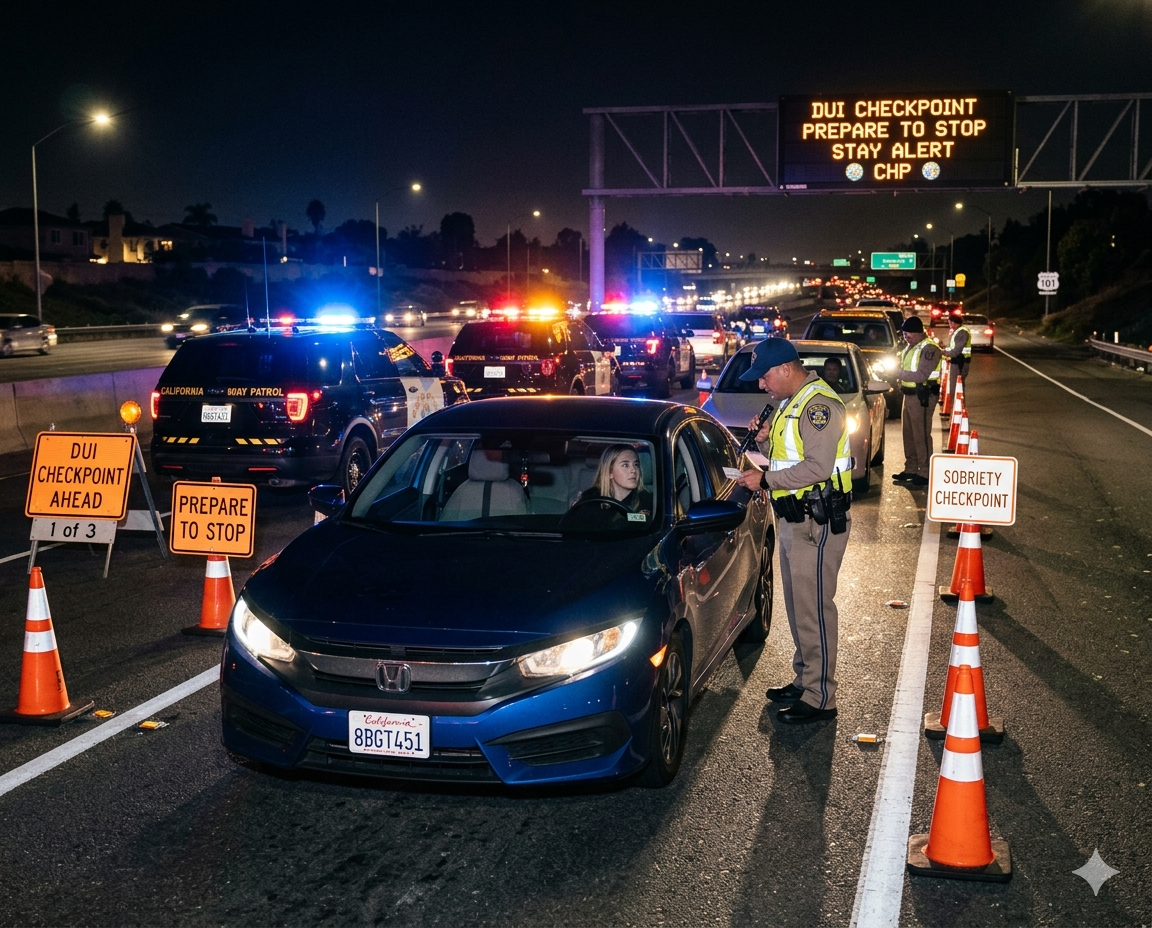
Getting stopped at a DUI checkpoint can be intimidating for any driver. In addition to concerns about arrest, fines, or license suspension, many people worry about whether police can tow and impound their vehicle on the spot.
The answer is yes — in some situations, law enforcement may legally impound a vehicle at a DUI checkpoint. However, officers cannot automatically tow every car they stop. Whether your vehicle can be impounded depends on the circumstances of the stop, state law, and whether police have a lawful reason to remove the vehicle.
Understanding how DUI checkpoint impoundments work can help you protect your rights and avoid unnecessary legal and financial consequences.
What Is a DUI Checkpoint?
A DUI checkpoint, sometimes called a sobriety checkpoint, is a temporary roadblock operated by law enforcement to identify potentially impaired drivers.
During a checkpoint stop, officers may briefly interact with drivers and look for signs of intoxication or impairment, including:
- Slurred speech
- Bloodshot or watery eyes
- Odor of alcohol or drugs
- Open containers inside the vehicle
- Confusion or delayed responses
- Signs of drug impairment
If an officer suspects impairment, the driver may be asked to pull over for additional investigation, such as field sobriety testing or chemical testing.
DUI checkpoints are legal in many states when conducted according to constitutional guidelines and state-specific laws.
Can Police Impound Your Car at a DUI Checkpoint?
Yes, police may impound a vehicle at a DUI checkpoint under certain conditions.
In most cases, impoundment happens when the driver is arrested and there is no lawful or safe way to remove the vehicle from the scene.
However, law enforcement generally must have a valid legal justification before towing a vehicle. Officers typically cannot impound a car solely because it passed through a DUI checkpoint.
Common Reasons Police May Impound a Vehicle at a DUI Checkpoint
1. The Driver Is Arrested for DUI
One of the most common reasons for vehicle impoundment is a DUI arrest.
If a driver is taken into custody and cannot legally drive away, officers may decide to tow the vehicle. This often occurs when:
- No sober licensed driver is available
- The vehicle is blocking traffic
- The vehicle creates a public safety concern
- The stop occurs in an unsafe location
In many jurisdictions, police departments have specific procedures regarding how vehicles are handled after DUI arrests.
2. The Driver Does Not Have a Valid License
Driving without a valid driver’s license may also lead to vehicle impoundment in some states.
This may include situations involving:
- Suspended licenses
- Revoked licenses
- Expired licenses
- Unlicensed drivers
Some states limit law enforcement’s ability to impound vehicles when another licensed driver is available to retrieve the car.
Because laws differ significantly between states, the legality of an impoundment may depend heavily on local regulations and department policies.
3. The Vehicle Is Unregistered or Unlawful
Police may impound vehicles that are:
- Unregistered
- Displaying false license plates
- Reported stolen
- Unsafe to operate
- Connected to criminal activity
In these situations, impoundment may occur independently of the DUI investigation itself.
4. The Vehicle Is Needed as Evidence
In certain cases, law enforcement may seize or impound a vehicle if officers believe it contains evidence related to a crime.
Examples may include:
- Open alcohol containers
- Illegal drugs
- Weapons connected to criminal activity
- Evidence related to impaired driving offenses
If the vehicle is considered evidence, it may be held longer than a standard tow or administrative impound.
What Happens After a Vehicle Is Impounded?
After a vehicle is lawfully impounded, police commonly perform what is known as an inventory search.
An inventory search is generally conducted to:
- Document valuable items inside the vehicle
- Protect personal property
- Reduce theft claims against law enforcement
- Identify dangerous materials
If police conduct an inventory search improperly or violate constitutional protections, a DUI defense attorney may be able to challenge the legality of the search in court.
Can You Prevent Your Car From Being Impounded?
In some situations, yes.
Depending on state law and department policy, drivers may be able to avoid impoundment if:
- A sober licensed passenger can drive the vehicle
- A friend or family member can quickly retrieve the car
- The vehicle can safely remain parked
- The registered owner arrives at the scene
However, officers are not always required to allow these alternatives.
Whether an alternative is permitted often depends on:
- Public safety concerns
- Department towing policies
- Local laws
- The location of the stop
How Much Does Vehicle Impoundment Cost?
Vehicle impoundment can become expensive very quickly.
Drivers may be responsible for:
- Towing charges
- Daily storage fees
- Administrative fees
- Vehicle release fees
- Court-related expenses
The total cost often increases each day the vehicle remains in storage.
In some cases, drivers may also face:
- License reinstatement costs
- Increased insurance premiums
- Additional DUI-related financial penalties
How Long Can Police Keep an Impounded Vehicle?
The length of impoundment depends on several factors, including:
- State law
- The reason for the impoundment
- Whether the vehicle is evidence
- Prior DUI history
- Court orders
Some vehicles may be released within a day once the owner provides:
- Proof of ownership
- A valid driver’s license
- Proof of insurance
- Payment of fees
Other cases may involve mandatory hold periods or extended retention if criminal investigations are ongoing.
Can You Challenge a Vehicle Impoundment?
Yes. In some situations, drivers may challenge the legality of an impoundment.
Possible grounds for challenging an impoundment may include:
- The DUI stop was unlawful
- The checkpoint was improperly conducted
- Police lacked legal justification to tow the vehicle
- A licensed driver was available
- The vehicle was safely parked
- Officers failed to follow proper procedures
If a court determines the impoundment was unlawful, certain evidence obtained during the process may potentially be excluded from the case.
Every situation is different, which is why legal review is important after a DUI-related vehicle seizure.
Are DUI Checkpoints Legal in Every State?
No. DUI checkpoint laws vary by state.
Some states permit sobriety checkpoints under strict constitutional and procedural rules, while others prohibit them entirely under state law.
In states where checkpoints are allowed, law enforcement agencies generally must follow specific requirements, such as:
- Using neutral stopping procedures
- Providing visible warning signs
- Minimizing delays to drivers
- Conducting checkpoints for legitimate public safety purposes
Improperly operated checkpoints may violate constitutional protections.
What Should You Do If Your Car Was Impounded at a DUI Checkpoint?
If your vehicle was impounded after a DUI stop, it is important to act quickly.
Request Important Information
Find out:
- Which towing company has your vehicle
- Where the vehicle is being stored
- What documents are needed for release
- Whether there are deadlines to request hearings or challenges
Keep All Documentation
Save:
- Tow receipts
- Police paperwork
- Court notices
- Photographs
- Witness information
These records may become important if your attorney challenges the impoundment or DUI charges.
Speak With a DUI Defense Attorney
A DUI defense attorney can evaluate:
- Whether the checkpoint was lawful
- Whether officers followed proper procedures
- Whether the impoundment was legally justified
- Whether evidence can be challenged
Early legal representation can sometimes help reduce penalties and protect your rights throughout the DUI process.
Final Thoughts
Police may legally impound vehicles at DUI checkpoints in certain circumstances, particularly when a driver is arrested and no lawful alternative exists for removing the vehicle. However, law enforcement does not have unlimited authority to tow vehicles.
Drivers still have constitutional protections, and unlawful impoundments may be challenged in court. Because DUI and vehicle impound laws differ from state to state, understanding your legal rights is essential after any checkpoint stop or DUI-related arrest.
If your vehicle was impounded after a DUI checkpoint, speaking with an experienced defense attorney may help you understand your options and protect your future.
Contact Southwest Legal
If you were arrested at a DUI checkpoint or your vehicle was impounded, the experienced legal team at Southwest Legal is ready to help.
Southwest Legal understands the serious consequences that DUI charges and vehicle impoundments can create for drivers and their families. From reviewing the legality of the stop to challenging improper police procedures, our DUI defense attorneys work aggressively to protect your rights and pursue the best possible outcome for your case.
Contact us today for a free consultation and learn more about your legal options after a DUI arrest or vehicle impoundment.
Disclaimer: This article is for general informational purposes only and does not constitute legal advice or create an attorney-client relationship. No attorney-client relationship is formed unless and until the firm and client enter into an agreement for legal services. Laws may change, and legal outcomes depend on the specific facts of each case. Consult a qualified attorney for advice regarding your situation.