


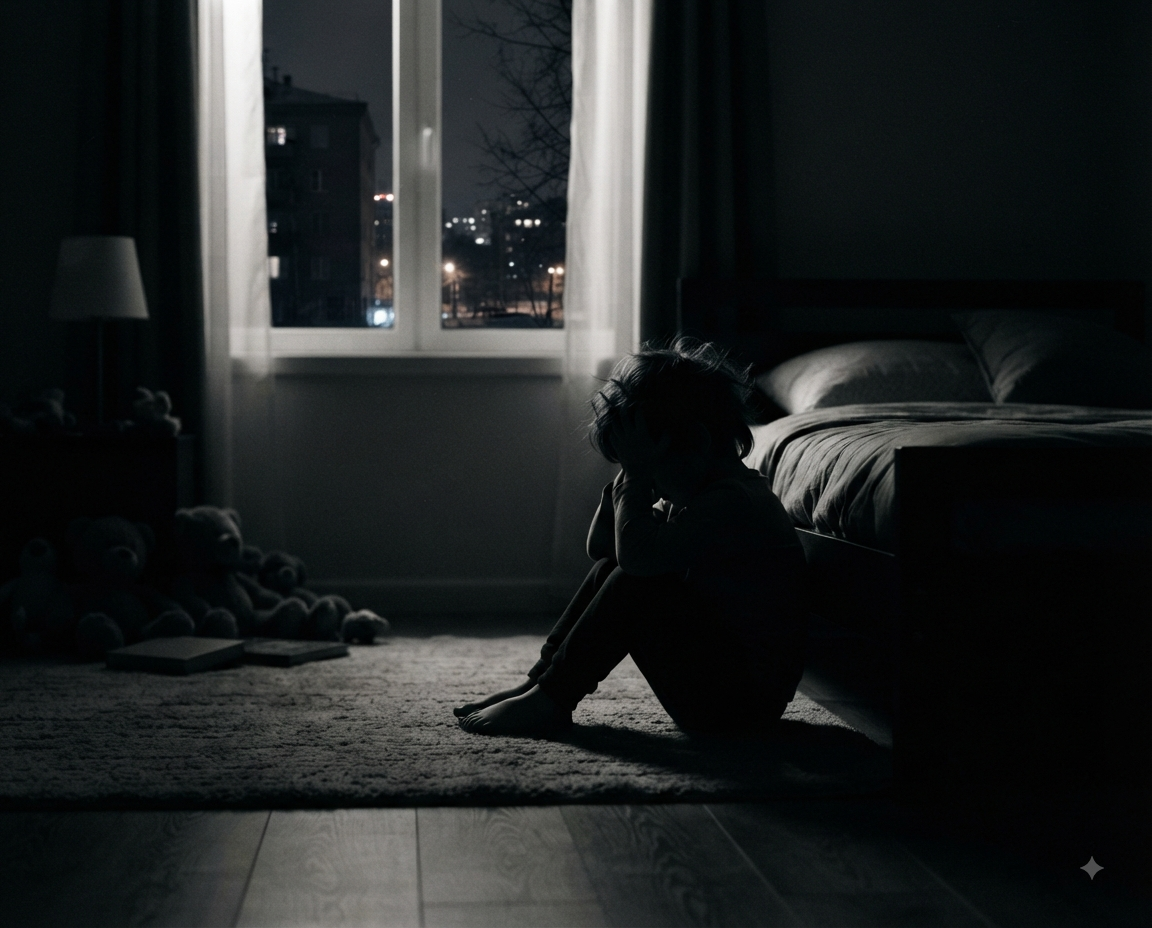
Child abuse becomes a felony in California when the alleged conduct meets the requirements of a felony offense, such as placing a child in circumstances likely to produce great bodily harm or death under California Penal Code § 273a(a). However, not every child abuse charge is a felony. Depending on the circumstances, the offense may be classified as a misdemeanor or felony, while certain forms of corporal injury to a child are separately classified as felonies.
California law considers the nature of the alleged abuse, the danger to the child, and the specific criminal statute involved. Understanding these distinctions is important because a felony conviction can result in prison time, probation, and lasting personal and professional consequences.
This article explains when child abuse becomes a felony in California, the potential penalties, and the legal defenses that may apply.
What Is Considered Child Abuse Under California Law?
California Penal Code § 273a addresses child abuse and child endangerment. It covers conduct involving unjustifiable physical pain or mental suffering, causing or permitting a child to suffer an injury, and placing a child in dangerous circumstances.
Examples of conduct that may result in child abuse charges include:
- Physically harming a child through excessive or unjustifiable punishment.
- Leaving a young child unattended in dangerous circumstances.
- Knowingly exposing a child to situations that threaten their physical safety.
- Allowing a child to remain in an environment where serious injury is likely.
- Failing to provide necessary care when the circumstances meet the legal requirements for child abuse or endangerment.
Not every accident, parenting mistake, or disciplinary action constitutes criminal child abuse. Prosecutors must establish the elements of the specific offense.
California also recognizes a parent’s limited right to reasonably discipline a child. However, this protection does not extend to excessive, cruel, or unjustifiable punishment.
When Does Child Abuse Become a Felony in California?
Child abuse may become a felony when the alleged conduct occurs under circumstances or conditions likely to produce great bodily harm or death.
Under California Penal Code § 273a(a), a person may face felony child abuse or child endangerment charges for engaging in prohibited conduct under these dangerous circumstances.
The prosecution must establish that the defendant willfully engaged in the prohibited conduct. For certain theories involving causing or permitting a child to suffer, be injured, or be endangered, prosecutors must also establish criminal negligence.
Criminal negligence involves more than ordinary carelessness or a simple mistake. It generally requires reckless conduct that represents a significant departure from how a reasonably careful person would act and creates a serious risk of harm.
Importantly, the child does not have to suffer an actual serious injury for felony charges under § 273a(a) to apply. The dangerous circumstances and likelihood of serious harm are central to the offense.
What Situations May Lead to Felony Child Abuse Charges?
Consider these hypothetical examples:
Example 1: Leaving a child in a dangerous environment
A caregiver leaves a toddler alone in a home with accessible dangerous substances and an unsecured swimming pool.
Depending on the child’s age, the circumstances, and the likelihood of serious harm, this conduct may support felony child endangerment charges.
Example 2: Physical abuse that creates a serious risk of injury
An adult deliberately inflicts unjustifiable physical pain on a child under circumstances likely to produce great bodily harm.
Even if the child does not suffer permanent injuries, the circumstances may support felony charges under Penal Code § 273a(a).
Example 3: Allowing a child to remain in dangerous conditions
A person responsible for a child’s care knowingly permits the child to remain in an environment presenting a serious risk of physical harm.
Depending on the evidence and the applicable mental-state requirements, this conduct may qualify as felony child endangerment.
These examples are illustrative. Whether a particular situation qualifies as a felony depends on the evidence and the specific legal elements prosecutors must prove.
What Is the Difference Between Felony and Misdemeanor Child Abuse?
California Penal Code § 273a divides child abuse into two categories based on the circumstances and potential danger to the child.
- Felony child abuse under § 273a(a): Involves prohibited conduct under circumstances likely to produce great bodily harm or death. This is a wobbler offense, meaning it may be prosecuted as either a felony or misdemeanor.
- Misdemeanor child abuse under § 273a(b): Involves prohibited conduct under circumstances other than those likely to produce great bodily harm or death.
Felony vs. Misdemeanor Child Abuse
| Legal Classification | Potential Penalty |
|---|---|
| Felony under § 273a(a) | 2, 4, or 6 years in state prison, or up to one year in county jail |
| Misdemeanor under § 273a(b) | Up to six months in county jail |
The main distinction is the level of danger involved. Actual serious injury is not required for felony child abuse under § 273a(a).
Because § 273a(a) is a wobbler, prosecutors may file it as a felony or misdemeanor. The classification can affect the potential sentence and long-term consequences of a conviction.
What Are the Penalties for Felony Child Abuse Under Penal Code 273a?
California Penal Code § 273a(a) provides the penalties for child abuse committed under circumstances likely to produce great bodily harm or death.
A felony conviction may result in:
- Two years in state prison.
- Four years in state prison.
- Six years in state prison.
- Alternatively, up to one year in county jail.
If probation is granted, the statute generally requires a minimum probation period of 48 months, a criminal protective order, and at least one year of approved child abuser treatment counseling, subject to the court’s authority to waive certain conditions in the interests of justice.
For misdemeanor child abuse under § 273a(b), the maximum county jail sentence is generally six months.
The actual sentence depends on the offense, the circumstances, and the court’s decision.
Can Physical Punishment of a Child Be a Felony in California?
Yes. Certain forms of physical punishment may result in felony charges under California Penal Code § 273d.
This statute addresses willfully inflicting cruel or inhuman corporal punishment or an injury resulting in a traumatic physical condition upon a child.
The offense is commonly called corporal injury to a child.
What Are the Penalties Under Penal Code 273d?
A conviction under § 273d(a) may result in:
- Two years in state prison.
- Four years in state prison.
- Six years in state prison.
- Alternatively, up to one year in county jail.
- A fine of up to $6,000.
- Or both imprisonment and a fine, as permitted by law.
Unlike Penal Code § 273a(a), Penal Code § 273d(a) is a straight felony, not a wobbler.
For example, an adult who deliberately strikes a child and causes an injury resulting in a traumatic physical condition may face charges under this statute.
California recognizes reasonable parental discipline. However, excessive or cruel punishment may constitute a criminal offense.
The specific circumstances, the nature of the punishment, and the resulting injury are important in determining whether § 273d applies.
What Is the Difference Between Penal Code 273a and 273d?
Although both statutes address child abuse, they cover different types of prohibited conduct.
| Legal Provision | What It Covers | Classification |
|---|---|---|
| Penal Code § 273a(a) | Child abuse or endangerment under circumstances likely to produce great bodily harm or death | Wobbler |
| Penal Code § 273a(b) | Child abuse or endangerment under less dangerous circumstances | Misdemeanor |
| Penal Code § 273d(a) | Willfully inflicting cruel or inhuman corporal punishment or an injury resulting in a traumatic condition | Felony |
The distinction matters because the charges, potential penalties, and available sentencing options differ.
For example, a dangerous situation involving neglect may lead to charges under § 273a, while certain physical punishment resulting in a traumatic condition may lead to charges under § 273d.
The prosecution must establish the specific elements of the statute under which the defendant is charged.
What Defenses May Be Available Against Felony Child Abuse Charges?
Being accused of child abuse does not automatically mean a person is guilty. The prosecution must prove every element of the charged offense beyond a reasonable doubt.
Depending on the circumstances, possible legal defenses may include:
1. Accident or Unintentional Injury
Not every injury involving a child results from criminal conduct. A child may suffer an injury while playing or participating in an ordinary activity.
If the injury was accidental and the prosecution cannot establish the required elements of the offense, criminal liability may not be established.
2. Reasonable Parental Discipline
California recognizes a parent’s limited right to reasonably discipline a child.
However, this protection does not extend to cruel, excessive, or unjustifiable physical punishment.
Whether the discipline was reasonable depends on the circumstances, including the nature and degree of the punishment.
3. Lack of the Required Mental State
Certain child endangerment theories require proof of criminal negligence. Other forms of child abuse require proof of willful conduct.
If the prosecution cannot establish the required mental state, that may provide grounds to challenge the charge.
4. Insufficient Evidence
The defense may challenge witness statements, medical findings, or other evidence that the prosecution relies on to establish the alleged offense.
The prosecution must prove the applicable legal elements beyond a reasonable doubt before a conviction can occur.
The availability of these defenses depends on the facts and the specific criminal charge.
Can Felony Child Abuse Charges Be Reduced to a Misdemeanor?
Yes. Certain child abuse offenses can be reduced from a felony to a misdemeanor under California Penal Code § 17(b).
Penal Code § 273a(a) is a wobbler, meaning prosecutors may charge it as either a felony or misdemeanor. A qualifying felony conviction may also be eligible for reduction through the appropriate legal procedure.
Factors that may be considered include:
- The seriousness of the alleged conduct.
- The defendant’s criminal history.
- The circumstances of the offense.
- The nature of any injuries.
- Other relevant sentencing considerations.
However, reduction is not automatic. Penal Code § 273d(a), which addresses corporal injury to a child, is classified as a felony rather than a wobbler.
Whether a reduction is possible depends on the specific charge, procedural circumstances, and applicable law.
What Are the Consequences of a Felony Child Abuse Conviction?
A felony child abuse conviction can affect several areas of a person’s life.
Possible consequences include:
- Prison time: A conviction may result in years of incarceration.
- Criminal record: A felony conviction can affect future employment and background checks.
- Probation: The court may require counseling, protective orders, and compliance with other conditions.
- Professional consequences: Certain professional licenses and employment opportunities may be affected.
- Family matters: A conviction or related evidence may influence child custody and visitation proceedings.
The consequences depend on the specific offense, sentence, and individual circumstances.
Frequently Asked Questions
1. Is child abuse automatically a felony in California?
No. California recognizes both misdemeanor and felony child abuse. Under Penal Code § 273a, the classification generally depends on whether the circumstances were likely to produce great bodily harm or death. Other child abuse offenses have separate classifications.
2. Does a child have to be seriously injured for felony child abuse charges?
No. Under Penal Code § 273a(a), the circumstances must be likely to produce great bodily harm or death. An actual serious injury is not required.
3. Can a parent go to jail for spanking a child in California?
Not automatically. California recognizes reasonable parental discipline. However, cruel or inhuman corporal punishment or an injury resulting in a traumatic physical condition may constitute felony child abuse under Penal Code § 273d.
4. What is the punishment for felony child abuse in California?
Under Penal Code § 273a(a), the potential punishment includes two, four, or six years in state prison, or up to one year in county jail as an alternative.
Under Penal Code § 273d(a), the potential punishment also includes two, four, or six years in state prison, or up to one year in county jail, along with a possible fine of up to $6,000.
5. Can child neglect become a felony in California?
Yes. Certain forms of neglect may result in felony child endangerment charges when the conduct satisfies Penal Code § 273a(a), including the requirement that the circumstances be likely to produce great bodily harm or death and the applicable mental-state requirements.
However, not every instance of neglect is a criminal offense or a felony.
6. Can felony child abuse charges be dismissed?
Yes. Charges may be dismissed when there are sufficient legal grounds, such as insufficient evidence or failure to establish an essential element of the offense. The outcome depends on the specific case.
7. Can felony child abuse charges be reduced to a misdemeanor?
Yes. Penal Code § 273a(a) is a wobbler and may qualify for reduction under Penal Code § 17(b). However, reduction is not automatic and depends on the applicable legal procedures.
8. Does a child abuse conviction affect child custody?
It can. A child abuse conviction or related evidence may be considered in California family court when determining custody and visitation arrangements based on the child’s best interests.
Key Takeaways
- Child abuse is not automatically a felony in California.
- Penal Code § 273a(a) applies to child abuse under circumstances likely to produce great bodily harm or death.
- Penal Code § 273a(a) is a wobbler and may be charged as a felony or misdemeanor.
- Penal Code § 273a(b) addresses misdemeanor child abuse.
- Penal Code § 273d covers certain forms of corporal injury to a child and classifies the offense as a felony.
- A child does not need to suffer a serious injury for felony charges under § 273a(a).
- Certain felony child abuse convictions may qualify for reduction to a misdemeanor.
Understanding the difference between felony and misdemeanor child abuse is essential when facing an investigation or criminal accusation in California.
Speak With Southwest Legal About Child Abuse Charges in California
Facing a child abuse investigation or felony accusation can be overwhelming. The possibility of incarceration, a criminal record, and lasting family consequences makes understanding your legal situation especially important.
Southwest Legal understands the seriousness of criminal accusations and the importance of knowing your rights. Whether you are facing allegations of child abuse, child endangerment, or corporal injury to a child, understanding California law and your available legal options is an important first step.
You deserve clear information about the charges against you and the legal options available. Taking action early can help you better understand the criminal process and make informed decisions about your next steps.
Do not leave your future to uncertainty. Contact us today for a free consultation. Discuss your concerns, get answers to your questions, and take an informed step toward protecting your rights and your future.
Disclaimer: This article is for general informational purposes only and does not constitute legal advice or create an attorney-client relationship unless and until the firm and client enter into an agreement for legal services. Laws may change, and legal outcomes depend on the specific facts of each case. Consult a qualified attorney for advice regarding your situation.