


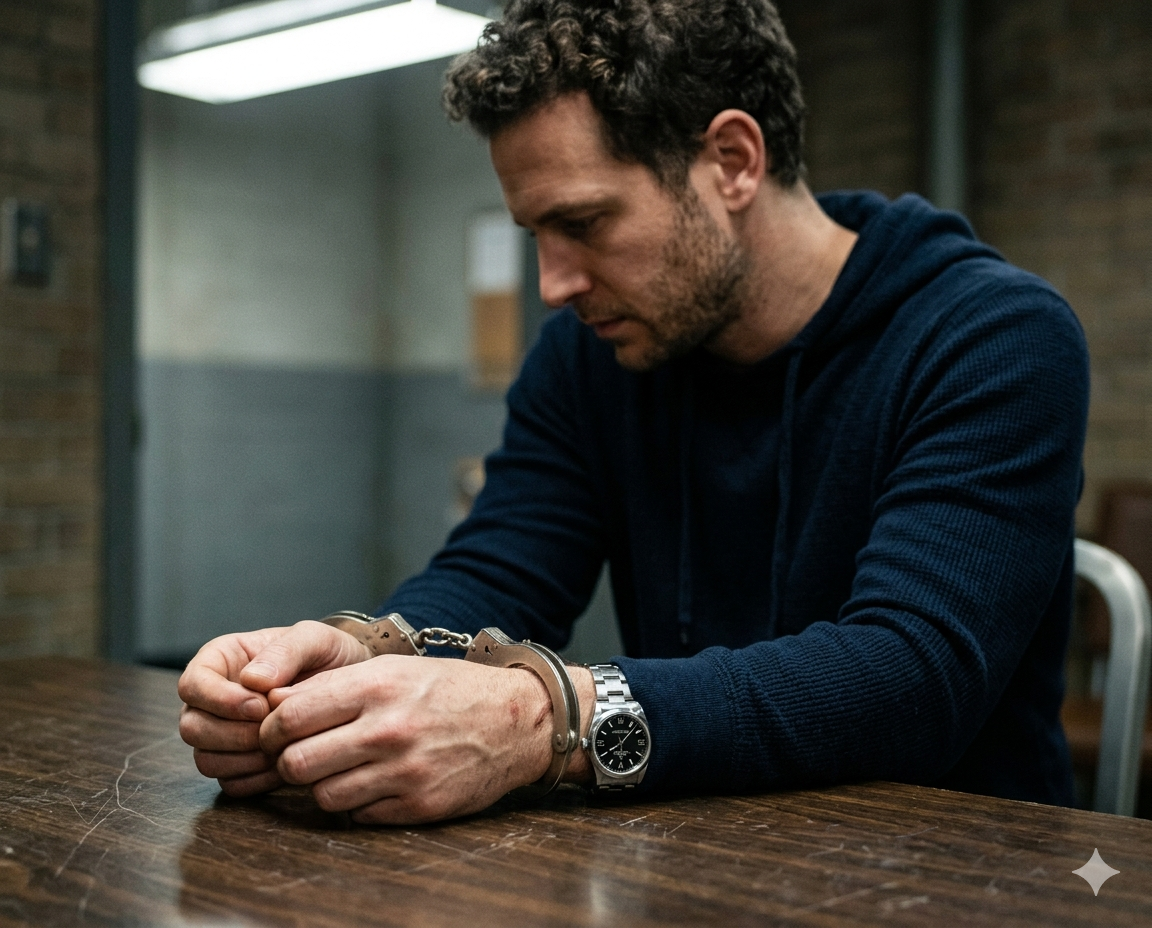
If you are applying for a professional license in California or already hold one, your criminal record may affect your eligibility. Many people search online asking whether a past conviction will prevent them from becoming licensed, or whether they can still work in their chosen profession after a criminal case.
The truth is that California does not automatically bar individuals with criminal records from obtaining professional licenses. Instead, licensing boards evaluate each case individually, focusing on rehabilitation, relevance of the offense to the profession, and public safety.
This article explains how criminal records impact professional licensing in California, how the process works, and what steps you can take to improve your chances of approval.
What Is Considered a Criminal Record in California?
A criminal record in California can include a variety of legal history, such as:
- Misdemeanor convictions
- Felony convictions
- Arrests even without conviction (in some background checks)
- Pending criminal cases
- Court-ordered diversion programs
- Dismissed charges (depending on reporting systems)
- Federal criminal convictions
These records are typically obtained through background checks conducted by the California Department of Justice and sometimes the FBI, depending on the type of license being applied for.
Even if a case did not result in a conviction, it may still appear in background checks used by licensing boards, though it should not automatically disqualify an applicant.
Agencies That Issue Professional Licenses in California
California does not have a single licensing authority. Instead, multiple boards and agencies regulate different professions. Some of the most common include:
- Department of Consumer Affairs, which oversees many licensing boards
- State Bar of California for attorneys
- Board of Registered Nursing
- Board of Behavioral Sciences
- Contractors State License Board
- Department of Real Estate
Each agency has its own rules for evaluating criminal history, meaning the impact of a criminal record may vary depending on the profession.
California’s Approach to Criminal Records and Licensing
California law generally supports rehabilitation and fair opportunity. Licensing boards are required to consider whether an applicant has been rehabilitated and whether the criminal record is relevant to the duties of the profession.
Two key principles guide this process:
Rehabilitation
Boards look at whether the applicant has demonstrated meaningful change since the offense. This may include:
- Completion of probation or parole
- Stable employment history
- Education or training completed after the conviction
- Community service or positive contributions
- Time passed since the offense
Relevance to the Profession
A conviction must be related to the duties of the license being sought in order to be considered significant.
For example:
- Financial crimes may be more relevant to accounting or real estate licenses
- Violent offenses may be more closely reviewed for healthcare or caregiving roles
- Minor traffic violations may have little to no impact on most professions
Boards must evaluate whether the conviction actually affects the applicant’s ability to perform the job safely and ethically.
Can a Criminal Record Prevent You From Getting a License?
A criminal record does not automatically disqualify an applicant. However, a license may be denied in certain situations, such as:
- The offense is directly related to the profession
- There is a pattern of repeated criminal behavior
- The applicant has not shown evidence of rehabilitation
- The conviction involves fraud, violence, or dishonesty
- The applicant fails to disclose required criminal history
In most cases, California licensing boards are required to consider rehabilitation and give applicants an opportunity to explain their history.
How Licensing Boards Evaluate Applications
When reviewing an application involving criminal history, licensing boards generally consider several factors:
Nature of the offense
The seriousness of the crime and whether it involved harm, fraud, or risk to others.
Time since the offense
Older convictions may carry less weight, especially if there has been no further criminal activity.
Evidence of rehabilitation
Boards look for proof that the applicant has changed, such as employment stability, education, and positive community involvement.
Honesty in disclosure
Failing to disclose criminal history when required can be more damaging than the conviction itself.
Connection to the profession
The board evaluates whether the offense is relevant to the responsibilities of the job.
Professions That Commonly Require Background Checks
Many licensed professions in California require criminal background checks. These often include:
- Healthcare workers such as nurses and caregivers
- Attorneys and legal professionals
- Teachers and school staff
- Real estate agents and brokers
- Contractors and construction professionals
- Financial and insurance professionals
- Security-related occupations
Each profession applies different standards depending on public safety concerns and professional responsibilities.
Expungement and Record Relief Options in California
Individuals with criminal records may be able to pursue legal relief options that can improve their chances of obtaining a license.
Expungement
Expungement allows a conviction to be dismissed after completing sentence requirements. While it does not completely erase the record, it can help show rehabilitation and improve employment and licensing opportunities.
Certificate of Rehabilitation
This court-issued document recognizes that an individual has been rehabilitated after a conviction. It can be particularly helpful when applying for certain professional licenses.
Record Sealing
Some arrest records or dismissed cases may be eligible for sealing, which limits public access.
Governor’s Pardon
A pardon is rare but can provide significant relief and restore certain rights.
These legal remedies can play an important role in licensing applications, but eligibility depends on the case.
The Licensing Application Process With a Criminal Record
When applying for a license with a criminal record, the process typically includes:
Disclosure of history
Applicants must provide complete and honest disclosure of criminal history as required by the application.
Background check review
The licensing board reviews official records from state and federal databases.
Request for additional information
Applicants may be asked to provide court documents, personal statements, and proof of rehabilitation.
Board evaluation
The board reviews whether the applicant meets licensing standards based on rehabilitation and relevance.
Hearing process
In some cases, applicants may need to attend a hearing to present their case and answer questions.
Common Mistakes to Avoid
Applicants with criminal records often make preventable mistakes such as:
- Failing to disclose required criminal history
- Assuming expunged records do not need to be reported
- Not providing supporting rehabilitation documents
- Submitting incomplete court records
- Waiting until after a denial to seek help
Avoiding these mistakes can significantly improve the chances of approval.
How to Strengthen Your Application
If you have a criminal record, there are several ways to improve your chances of obtaining a license:
- Demonstrate steady employment and financial responsibility
- Provide strong character references from employers or community members
- Complete education or rehabilitation programs
- Prepare a clear explanation of your history and personal growth
- Explore legal remedies such as expungement or certification of rehabilitation
- Seek legal guidance before submitting your application
Preparation is often the key factor in licensing decisions.
Conclusion
A criminal record in California does not automatically prevent someone from obtaining a professional license. Licensing boards are required to consider rehabilitation, relevance of the offense, and the applicant’s current character. While the process can be detailed and sometimes challenging, many individuals with criminal histories successfully obtain professional licenses every year. Understanding how the system works and preparing properly can significantly improve your chances of success. If you are applying for a professional license or dealing with issues related to a criminal record in California, legal guidance can make a critical difference.
Contact Southwest Legal
If you need help with criminal records, expungement, or professional licensing issues in Southern California, Southwest Legal is here to help. Our legal team understands how licensing boards evaluate criminal history and can guide you through every step of the process. Contact us today to discuss your case and learn how we can help protect your future and your career opportunities.
Disclaimer: This article is for general informational purposes only and is not legal advice. Laws change over time, and every case involves unique facts. Anyone facing criminal charges should consult a qualified California criminal defense attorney. Reading this article does not create an attorney-client relationship.