


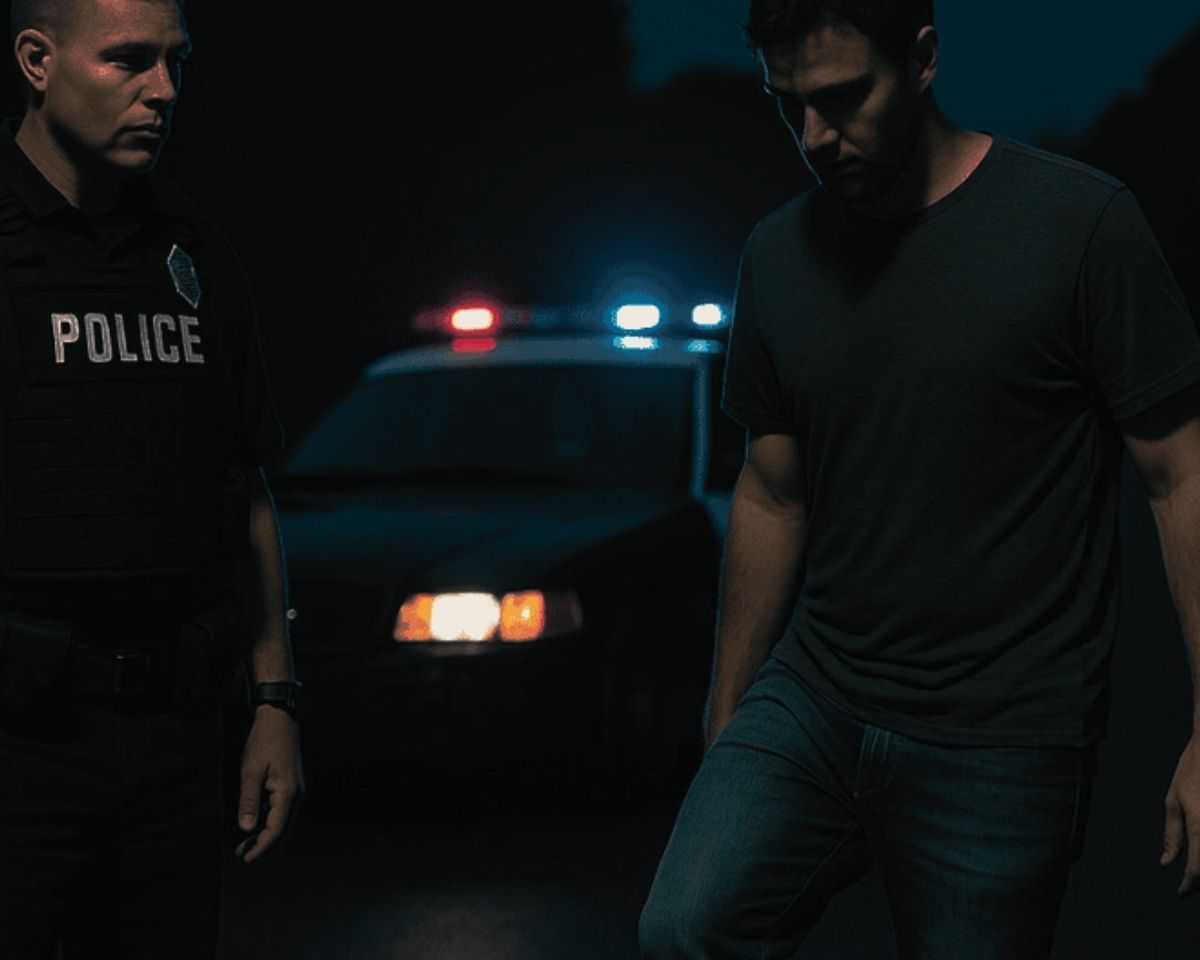
If you’ve been stopped by law enforcement in California and asked to perform the One-Leg Stand test, it’s important to understand what this test involves and how it can impact your DUI case. While officers use this test as part of their evaluation for impairment, its accuracy and fairness can vary, and knowing your rights is key to mounting a strong defense.
What Is the One-Leg Stand Test?
The One-Leg Stand test is one of the Standardized Field Sobriety Tests (SFSTs) used by police officers in DUI investigations. The purpose is to measure a person’s balance, coordination, and ability to follow instructions—skills that can be impaired by alcohol or drugs.
Here’s how the test works:
-
The officer will ask you to stand with your feet together and arms down by your sides.
-
You’ll be instructed to raise one leg about six inches off the ground, keeping it straight and pointing your toes forward.
-
While holding this position, you’ll count aloud from “one thousand one” to “one thousand thirty,” maintaining your balance until the officer tells you to stop.
During the test, the officer watches for signs that you may be impaired, such as:
-
Swaying or losing balance
-
Using your arms to balance
-
Hopping to maintain your position
-
Putting your foot down before you finish counting
If the officer observes two or more of these signs, they may consider the test failed, which can contribute to probable cause for a DUI arrest.
How Reliable Is the One-Leg Stand Test?
The One-Leg Stand test is scientifically designed to evaluate coordination and divided attention, two areas often affected by intoxication. According to studies conducted by the National Highway Traffic Safety Administration (NHTSA), the test correctly indicates impairment about 83% of the time. While this may sound reliable, it also means there is a notable margin for error.
Factors That Can Affect Your Performance
Several non-intoxication-related factors can negatively affect your ability to perform the test correctly, including:
-
Medical issues such as inner ear problems, neurological disorders, or leg injuries.
-
Age-related balance decline, which is common among older adults.
-
Fatigue or illness, which can impact concentration and physical stability.
-
Medications that cause dizziness or affect coordination.
-
Uneven or slippery surfaces where the test is administered.
-
Nervousness or anxiety caused by the traffic stop itself.
Because of these factors, poor performance on the One-Leg Stand test doesn’t necessarily mean you were impaired.
Your Rights Regarding Field Sobriety Tests
In California, you are not legally required to perform field sobriety tests such as the One-Leg Stand during a roadside stop. Refusing these tests generally cannot be used against you in court. However, refusal to submit to chemical testing (breath or blood) after an arrest can have serious consequences, including automatic license suspension under California’s Implied Consent Law.
It’s important to remember that field sobriety tests provide probable cause for arrest—they are not conclusive proof of intoxication.
How a DUI Defense Attorney Can Help
If you are charged with a DUI based on your performance on the One-Leg Stand or other field sobriety tests, a skilled DUI defense lawyer can:
-
Review the officer’s procedure to ensure the test was administered correctly and according to protocol.
-
Investigate medical conditions or other factors that may have impaired your balance.
-
Challenge the reliability of the test results in court.
-
Use video evidence or officer notes to find inconsistencies or errors.
-
Negotiate for reduced charges or explore alternative outcomes depending on the strength of the evidence.
Every case is unique, and having an experienced attorney on your side is essential to protecting your rights and your future.
Conclusion
The One-Leg Stand test is a common tool used by law enforcement in California DUI stops, but it is not foolproof. Various factors beyond intoxication can impact how a person performs on this test. Understanding your rights and the limitations of the test is critical if you are facing DUI charges.
If you’ve been charged with a DUI in Southern California, don’t face it alone. Contact Southwest Legal today for a free consultation. Our experienced DUI defense attorneys will thoroughly investigate your case, challenge faulty evidence, and fight to protect your rights.