


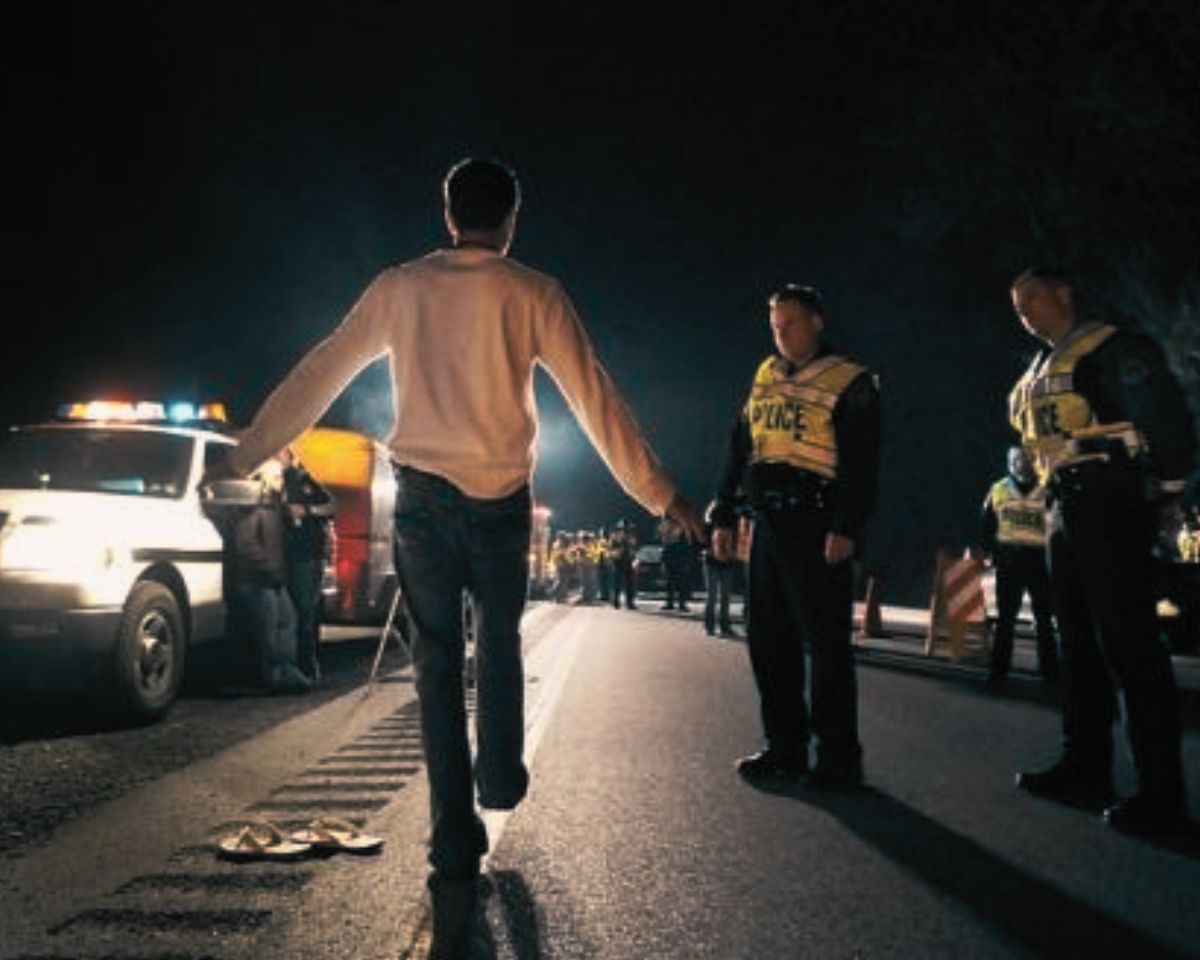
If you’ve ever been stopped by law enforcement in California and asked to perform a field sobriety test, chances are you may have encountered the Walk and Turn test. This test is one of the three standardized field sobriety tests commonly used by police officers to evaluate possible impairment during DUI stops.
Knowing how the Walk and Turn test works, what behaviors may indicate impairment, and your rights during such encounters can be crucial if you find yourself facing DUI allegations. This article covers everything you need to understand about the Walk and Turn test and how it relates to DUI stops in California.
What Is the Walk and Turn Test?
The Walk and Turn test is designed to measure a person’s ability to maintain balance, follow instructions, and divide attention between physical coordination and mental focus. During the test, the officer will ask you to:
-
Stand in a heel-to-toe position with your arms down by your sides.
-
Take nine heel-to-toe steps in a straight line.
-
Turn around on one foot.
-
Return with another nine heel-to-toe steps along the same line.
Officers observe for several signs that might suggest impairment, such as:
-
Difficulty balancing while receiving instructions.
-
Starting before the officer’s signal.
-
Stopping or losing balance while walking.
-
Failing to place the heel and toe properly on each step.
-
Stepping off the designated line.
-
Using arms to balance.
-
Making an improper turn.
While these behaviors can indicate intoxication, they are not definitive proof, as various other factors may affect your performance.
Conditions Required for a Valid Test
For the Walk and Turn test to be considered reliable, certain conditions should be met:
-
Surface: The test must be conducted on a flat, hard, and non-slippery surface.
-
Line: There should be a clear line to follow. If there isn’t a natural line, the officer may create one with chalk or tape.
-
Lighting: Adequate lighting is essential, especially for nighttime stops, to ensure the person can see the line clearly.
If these conditions aren’t met, the validity of the test can be questioned, which can be an important point in a DUI defense.
Limitations and Accuracy of the Walk and Turn Test
When properly administered, the Walk and Turn test is considered reasonably effective in detecting impairment related to alcohol. However, it is not foolproof. Several factors can influence the outcome:
-
Physical Health: Medical conditions, injuries, or disabilities that affect balance or coordination can cause someone to perform poorly even if they are sober.
-
Environmental Issues: Uneven ground, poor lighting, or weather conditions like rain or wind can interfere with balance and concentration.
-
Officer Instructions: If the officer doesn’t explain the test clearly or administer it correctly, the results may be unreliable.
Because of these variables, failing the Walk and Turn test alone is not conclusive evidence of intoxication.
Your Rights During a DUI Stop
In California, you are not legally required to perform field sobriety tests like the Walk and Turn test. These tests are voluntary, and you can refuse to take them without criminal penalties.
That said, refusing the test may cause the officer to develop probable cause to arrest you based on other observations, such as your behavior or appearance. It’s important to stay polite and respectful if you choose to decline the test. You can calmly state that you do not wish to participate.
Remember, anything you say or do during a DUI stop can be used in court, so it’s wise to be mindful of your words and actions.
Defending Against a Failed Walk and Turn Test
If you’ve been arrested after failing a Walk and Turn test, there may be several possible defenses:
-
Improper Test Administration: If the officer did not follow proper procedures or gave unclear instructions, the test results can be challenged.
-
Environmental Conditions: Poor lighting, uneven surfaces, or adverse weather may have affected your ability to complete the test.
-
Medical or Physical Issues: Any conditions that impair balance and coordination can explain poor performance.
-
Officer Error or Bias: Mistakes in observation or bias on the part of the officer can call into question the accuracy of the test results.
A skilled DUI defense attorney can carefully examine these factors and determine the best approach to protect your rights.
Conclusion
The Walk and Turn test is a widely used tool in California DUI enforcement, but it is not an infallible measure of impairment. Various factors, from the environment to medical conditions, can influence your performance on this test. Knowing your rights and understanding how the test is administered can make a critical difference if you’re ever stopped by police and asked to perform it.
If you or someone you know is facing DUI charges in California related to a failed Walk and Turn test or any other sobriety test, it’s essential to seek experienced legal help.
Need Help? Contact Southwest Legal Today
Facing DUI charges can be overwhelming, but you don’t have to face them alone. At Southwest Legal, we specialize in DUI defense and understand the complexities of sobriety tests like the Walk and Turn. Our dedicated team will review the details of your case, identify potential defenses, and fight aggressively to protect your rights and freedom. Don’t wait—contact us today for a confidential consultation and take the first step toward a strong defense.