


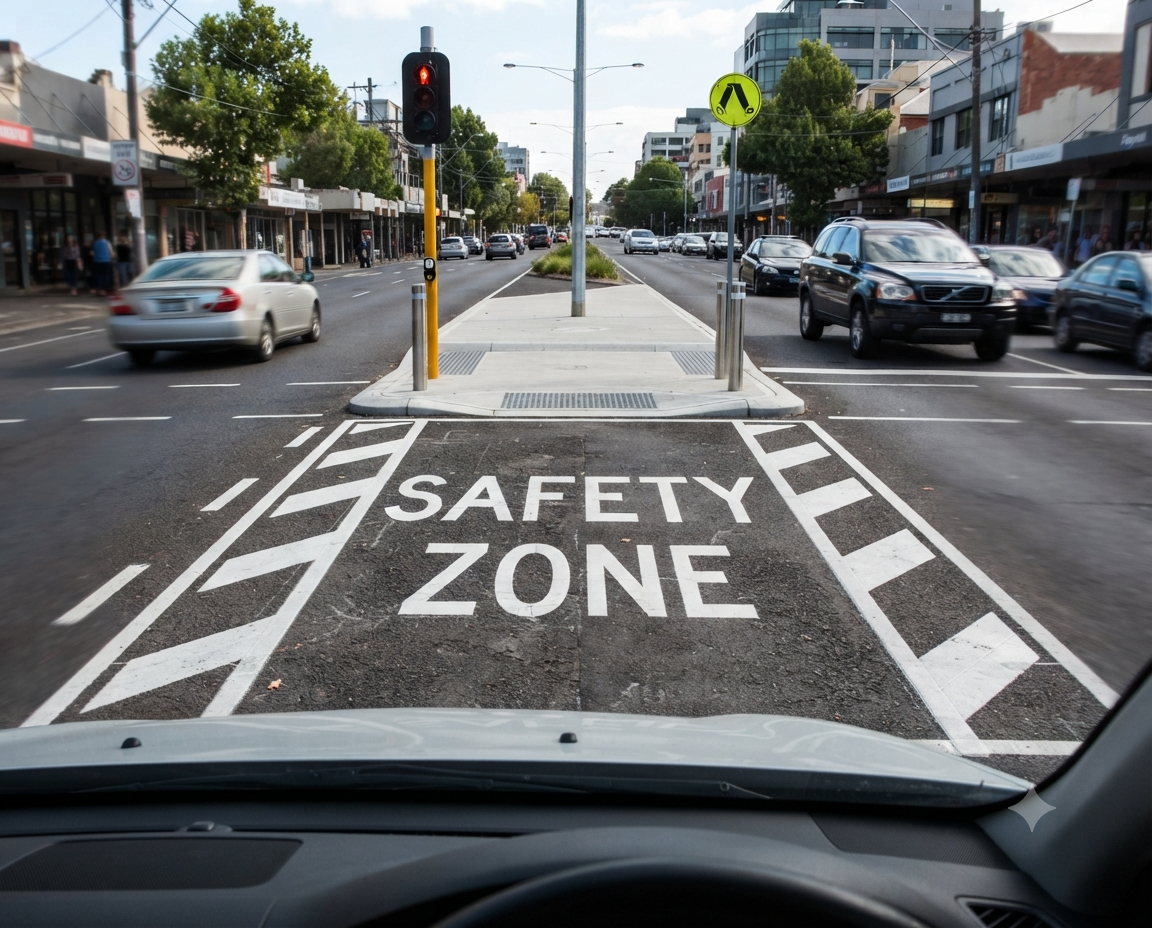
What Drivers Need to Know About Safety Zone Violations
California drivers are expected to follow traffic laws designed to protect everyone who uses the road, including motorists, bicyclists, and pedestrians. One lesser-known traffic rule is California Vehicle Code § 21709, which prohibits vehicles from being driven through or within a safety zone.
Although this law is only one sentence long, receiving a citation under Vehicle Code § 21709 can raise many questions. Drivers often want to know what a safety zone is, why these areas are protected, what penalties may apply, and whether a citation can be challenged.
What Is California Vehicle Code § 21709?
California Vehicle Code § 21709 states:
“No vehicle shall at any time be driven through or within a safety zone.”
In simple terms, the law prohibits drivers from entering or traveling through areas designated as safety zones. These areas are intended to provide protection from vehicle traffic and help separate pedestrians or other vulnerable road users from moving vehicles.
Unlike some California traffic laws that contain detailed definitions, Vehicle Code § 21709 itself does not provide a lengthy explanation of what every safety zone looks like. Instead, drivers generally need to pay attention to roadway markings, signs, traffic-control devices, and the specific circumstances of the location.
Why Does California Prohibit Driving Through Safety Zones?
Safety zones exist to improve traffic safety by creating protected spaces where people can safely wait, walk, or move near roadways.
Vehicles are heavy, powerful machines, and even low-speed contact with a pedestrian can cause serious injuries. By preventing vehicles from entering protected areas, California’s traffic laws aim to reduce conflicts between vehicles and people.
The purpose of Vehicle Code § 21709 is to prevent drivers from using these protected spaces as shortcuts, passing areas, or additional driving lanes.
What Does “Driving Through or Within a Safety Zone” Mean?
A violation generally occurs when a driver operates a vehicle inside an area designated as a safety zone.
Examples of potentially unsafe situations may include:
- A driver steering into a marked protected area to get around stopped traffic
- A motorist cutting through a pedestrian-protected area while making a turn
- A vehicle entering a restricted space near a transit area where passengers are expected to stand
- A driver using a safety zone as a temporary lane during congestion
The exact circumstances matter. Traffic enforcement decisions can depend on factors such as roadway markings, posted signs, location conditions, and the facts surrounding the alleged violation.
Common Examples of Safety Zone Violations
Passing Traffic Through a Protected Area
A driver is stuck in heavy traffic near an intersection. Instead of waiting, the driver moves into a marked safety zone to pass several vehicles.
Even if the maneuver only lasts a few seconds, entering a protected area may violate Vehicle Code § 21709.
Turning Through a Safety Zone
A driver makes a turn and takes a shortcut through an area marked for pedestrian protection.
The driver may not intend to endanger anyone, but traffic laws generally require vehicles to avoid restricted areas created for safety purposes.
Using a Safety Zone as a Temporary Lane
During a busy commute, a driver enters a restricted area because traffic lanes are backed up.
Traffic delays usually do not change the purpose of a safety zone. These areas remain protected from vehicle traffic.
Is Driving Through a Safety Zone Illegal in California?
Yes. California Vehicle Code § 21709 makes it unlawful for a vehicle to be driven through or within a safety zone.
Drivers should not assume that briefly entering a protected area is allowed simply because no collision occurs or no pedestrians are present at that moment. Safety zones are designed to remain clear for safety reasons.
What Is the Penalty for a Vehicle Code § 21709 Violation?
A violation of Vehicle Code § 21709 is generally handled as a traffic infraction rather than a criminal offense. Traffic infractions typically involve a citation and financial penalties rather than jail or criminal charges.
The total amount associated with a traffic citation can vary because California traffic penalties may include additional assessments, fees, and local court-related costs. Drivers should check the information provided with their citation or contact the appropriate court for current payment details.
Some traffic violations may also affect a driver’s record depending on the violation and applicable reporting rules. The consequences of a citation can depend on the specific circumstances.
Does a VC 21709 Ticket Add Points to a Driver’s License?
A common concern after receiving a traffic citation is whether it will add points to a driving record.
Whether a violation affects a driver’s record depends on how the offense is classified and the applicable California Department of Motor Vehicles rules. Drivers should review their specific citation information and consult reliable legal resources if they have concerns about possible record consequences.
Can You Fight a California Vehicle Code § 21709 Ticket?
A driver who receives a citation has the right to respond through the legal process. Whether a citation can be successfully challenged depends on the facts of the case, available evidence, and applicable legal procedures.
Possible issues that may be relevant in a traffic case can include:
- Whether the area was properly identified as a safety zone
- Whether the vehicle actually entered the restricted area
- Whether roadway signs or markings were visible
- Whether the circumstances were accurately described in the citation
Every traffic case is different, so there is no single outcome that applies to every driver.
Frequently Asked Questions
What is California Vehicle Code 21709?
California Vehicle Code § 21709 prohibits any vehicle from being driven through or within a safety zone.
Are safety zones only located near schools?
No. Safety zones may exist in different traffic environments. Drivers should follow signs, markings, and traffic-control devices that identify protected areas.
Can I drive through a safety zone if traffic is stopped?
Generally, drivers should not enter safety zones to bypass traffic. These areas are not intended to function as extra lanes or passing routes.
Is VC 21709 a misdemeanor?
A Vehicle Code § 21709 violation is generally treated as a traffic infraction. It is not typically handled as a misdemeanor or felony offense.
What should I do after receiving a safety zone citation?
Drivers should carefully review the citation, note the required response date, and consider learning about available options for handling the ticket.
How Drivers Can Avoid Safety Zone Violations
Avoiding a safety zone citation often comes down to awareness and patience behind the wheel. Helpful habits include:
- Watching for pavement markings and traffic signs
- Avoiding restricted areas when traffic is congested
- Following designated travel lanes
- Giving pedestrians and protected areas extra space
- Staying alert near intersections and transit locations
Small driving decisions can have a significant impact on roadway safety. Understanding rules like Vehicle Code § 21709 helps drivers make safer choices and avoid preventable traffic violations.
Conclusion
Understanding Your Options After a Safety Zone Citation
California Vehicle Code § 21709 is designed to help protect pedestrians and maintain safer roadways by preventing vehicles from entering designated safety zones. While a safety zone violation may seem like a minor traffic matter, understanding the law, the citation process, and your available options can help you make informed decisions about how to respond.
Traffic laws can involve technical rules and procedures that are not always easy to interpret. If you received a citation for driving through a safety zone or have questions about a potential Vehicle Code § 21709 violation, it may be helpful to seek guidance from a legal professional who understands California traffic laws.
Contact Southwest Legal
Southwest Legal assists individuals throughout Southern California with traffic-related legal matters by helping clients understand their citations, review the details of their cases, and navigate the legal process. Every traffic situation is different, and the available options may depend on the specific facts and circumstances involved.
If you received a citation for driving through a safety zone under California Vehicle Code § 21709, contact us today for a free consultation. Our team can answer your questions, explain the relevant legal issues, and help you better understand the next steps available for your situation.
Disclaimer: This article is for general informational purposes only and does not constitute legal advice or create an attorney-client relationship. No attorney-client relationship is formed unless and until the firm and client enter into an agreement for legal services. Laws may change, and legal outcomes depend on the specific facts of each case. Consult a qualified attorney for advice regarding your situation.