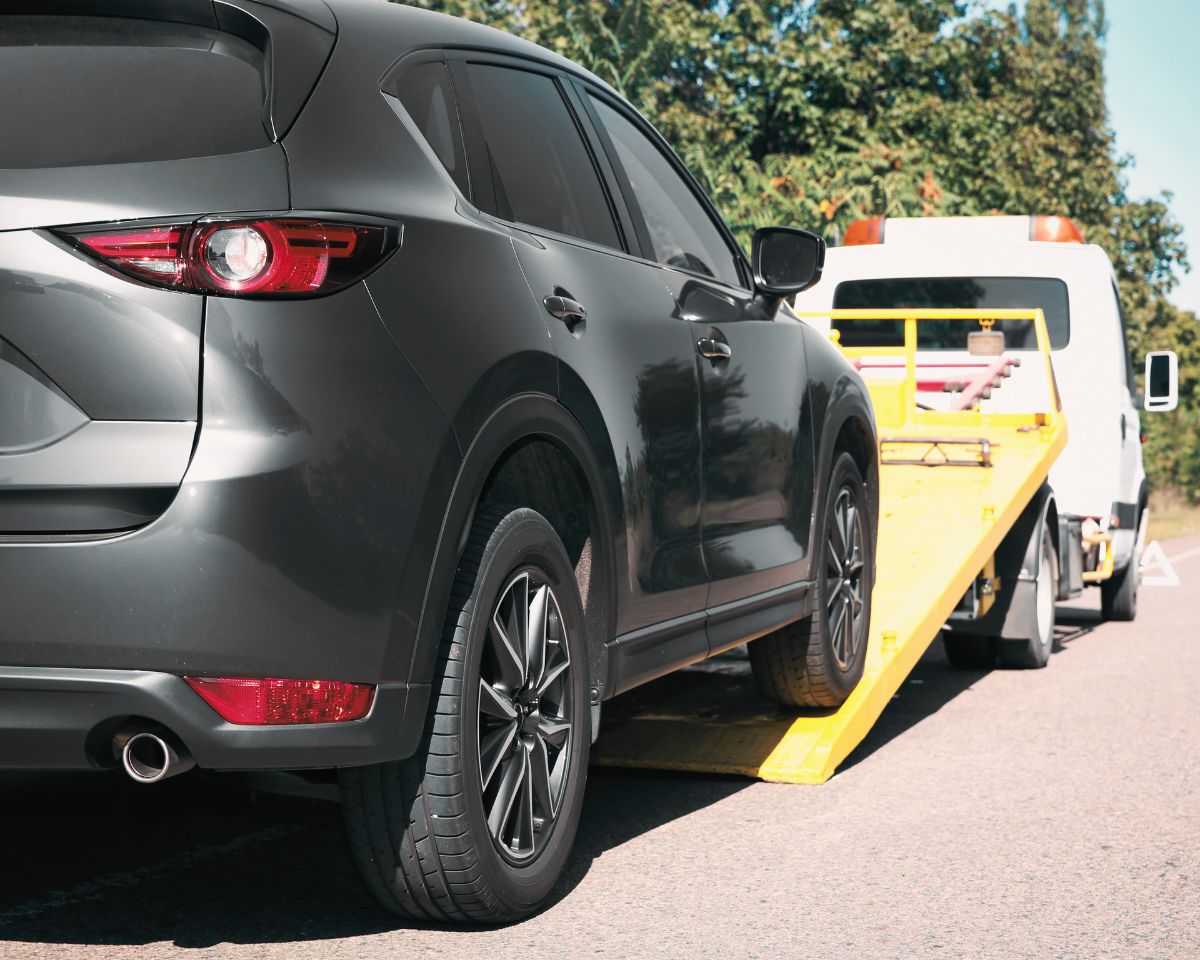
California Vehicle Code § 22651 is one of the most significant and frequently enforced laws regarding vehicle removal in the state. Simply put, CVC § 22651 grants specific authority to peace officers and other designated employees to remove (tow) and impound a vehicle under a comprehensive list of circumstances.
This law is designed to ensure public safety, maintain the efficient flow of traffic, and address various legal violations related to parking, registration, and driver conduct. For California drivers and vehicle owners, understanding the scope of CVC § 22651 is essential to avoid the major inconvenience and substantial costs associated with a towed or impounded vehicle.
The Comprehensive Grounds for Towing under CVC § 22651
The Vehicle Code outlines numerous specific scenarios where an officer or authorized employee has the legal authority to remove a vehicle. These grounds fall into several major categories.
Detailed Reasons for Your Vehicle to be Towed
To help you understand exactly why your vehicle may be subject to immediate removal, the table below breaks down the most common justifications cited by law enforcement under CVC $\S$ 22651.
| Category | Reason for Towing | Specific Circumstance |
| Traffic & Safety Hazards | Obstructing Traffic Flow | Vehicle is left unattended on a bridge, viaduct, causeway, or in a tunnel, or is parked/standing in a position that obstructs the normal movement of traffic or creates a hazard. |
| Blocking Access | Vehicle is illegally parked to block the entrance to a private driveway or to prevent access for firefighting equipment to a fire hydrant. | |
| Freeway Abandonment | Vehicle is stopped, parked, or left standing for more than four hours upon the right-of-way of a freeway, and the driver cannot move it under its own power. | |
| Accident/Incapacitation | The person in charge of the vehicle is incapacitated (due to injury or illness) and unable to provide for its custody or removal. | |
| Driver & Criminal Issues | Driver Arrested | The driver is arrested for an alleged offense (e.g., DUI, possession of illegal substances, or outstanding warrant) and is taken into custody, leaving the vehicle unattended. |
| Unlicensed Driver/Suspension | The driver is found operating the vehicle without a valid license, or with a license that is suspended or revoked. (This can result in a mandatory 30-day hold.) | |
| Stolen/Embezzled Vehicle | The vehicle has been reported as stolen, or a warrant has been issued charging it as embezzled. | |
| Registration & Parking | Expired Registration | Vehicle is found or operated on public land with a registration expiration date in excess of six months. |
| 72-Hour Violation | Vehicle is parked or left standing upon a highway for 72 or more consecutive hours in violation of a local ordinance authorizing removal. | |
| Unpaid Parking Tickets | It is known that the vehicle has been issued five or more outstanding notices of parking violations to which the owner has not responded. (Note: Towing a safely parked car solely for debt collection is legally restricted.) | |
| No Visible Registration | Vehicle is illegally parked with no license plates or other evidence of registration displayed. | |
| Posted Local Prohibition | Vehicle is parked in violation of a local ordinance or resolution that explicitly prohibits parking and authorizes vehicle removal (e.g., street sweeping, construction zones, or posted “No Parking/Tow Away” zones). |
The Towing and Impound Process: What to Expect
When a vehicle is removed under CVC § 22651, a specific process is followed.
Who Has the Authority to Tow?
The authority to order a tow under this section belongs to:
-
A Peace Officer (Police or Sheriff’s Deputy).
-
A Regularly Employed and Salaried Employee of a city, county, or state agency who is engaged in directing traffic or enforcing parking laws (i.e., a parking enforcement officer).
Notification Requirements
Generally, if a vehicle is creating an immediate hazard, it can be towed immediately without prior notice to the owner.
After the tow, the law enforcement agency or the towing company must notify the registered and legal owner of the vehicle. This notification must include:
-
The fact of the impoundment.
-
The legal grounds for the tow (CVC § 22651 plus the specific subsection).
-
The location of the impounded vehicle.
-
The steps required to obtain a release.
-
Information on how to request a Post-Storage Hearing.
The Impound Hold and Duration
For certain severe violations, such as driving without a valid license or a DUI, law enforcement may place a 30-day hold on the vehicle. This means the car cannot be released to the owner for 30 days, even if all fees are paid, unless a successful legal challenge is made at a storage hearing.
Owner Rights and Getting Your Vehicle Back
Having your car towed is a frustrating and expensive experience. However, vehicle owners have clear rights and a defined process for retrieving their property.
How to Get a Vehicle Release
-
Locate the Vehicle: Contact the law enforcement agency that ordered the tow (e.g., the local police or CHP) to determine the towing company and impound lot where your vehicle is being stored.
-
Obtain a Release: You will typically need to go to the police agency and pay a release fee. You will need to provide:
-
Valid Photo Identification.
-
Proof of Vehicle Ownership (e.g., current registration or title).
-
Proof of Insurance.
-
A Valid Driver’s License (or have a licensed driver accompany you).
-
Resolve Outstanding Issues: Any fines or fees that directly led to the tow may need to be paid or addressed before a release is granted.
-
-
Pay Towing and Storage Fees: Present the police release form to the impound lot and pay the accumulated towing fee and daily storage fees. These fees can be significant and accrue rapidly, making immediate action crucial.
Your Right to a Post-Storage Hearing
If you believe your vehicle was towed or impounded unlawfully, you have a right to a Post-Storage Hearing.
-
Purpose: This hearing is solely to determine the validity of the impoundment and to review any mitigating circumstances.
-
Procedure: You must request this hearing from the impounding agency within 10 days of the date the vehicle was removed. The hearing must generally be conducted quickly following the request.
-
Outcome: If the hearing officer finds the tow was invalid, the law enforcement agency is usually responsible for the towing and storage fees. If the tow is upheld, you remain responsible for all costs.
Common Scenarios and Legal Implications
Towing on Private Property
CVC § 22651 primarily covers tows initiated by law enforcement on public property. Tows from private property (like apartment complexes or shopping centers) are governed by a different, but related, section: CVC § 22658. Under this section, private property owners can have a vehicle towed without police pre-approval, provided specific signage requirements are met.
The Cost of Impoundment
Towing and impound fees vary widely by location and company, but they are always expensive.
| Fee Type | Implication | Note |
| Towing Fee | Initial Service Charge | Covers the cost of the tow truck and transport to the impound lot. |
| Daily Storage Fee | Compounding Cost | Accumulates every day the vehicle is stored; act fast to minimize this. |
| Administrative Fee | Agency Processing | Charged by the law enforcement agency for handling the paperwork. |
A delay of just a few days can result in hundreds of dollars in storage fees, emphasizing the need for prompt action.
Call to Action: Protect Your Rights with Southwest Legal
If your vehicle was towed under California Vehicle Code § 22651, you need to act immediately, especially if you are facing a 30-day hold or were arrested. Navigating the complex administrative processes and potentially challenging the validity of the tow requires professional guidance.
Vehicle Towed? Facing a 30-Day Hold? Don’t Go It Alone!
The consequences of an impounded vehicle—from excessive fees to potential criminal charges—are too serious to manage without expert legal counsel. If the tow resulted from a major violation like a DUI or driving with a suspended license, your situation is even more critical.
Southwest Legal specializes in traffic and criminal defense cases related to vehicle impoundment. We can help you defend against underlying charges (like DUI or driving without a license) that led to the impoundment. Contact us today for a free, confidential consultation. We are here to protect your rights, your freedom, and your vehicle.