


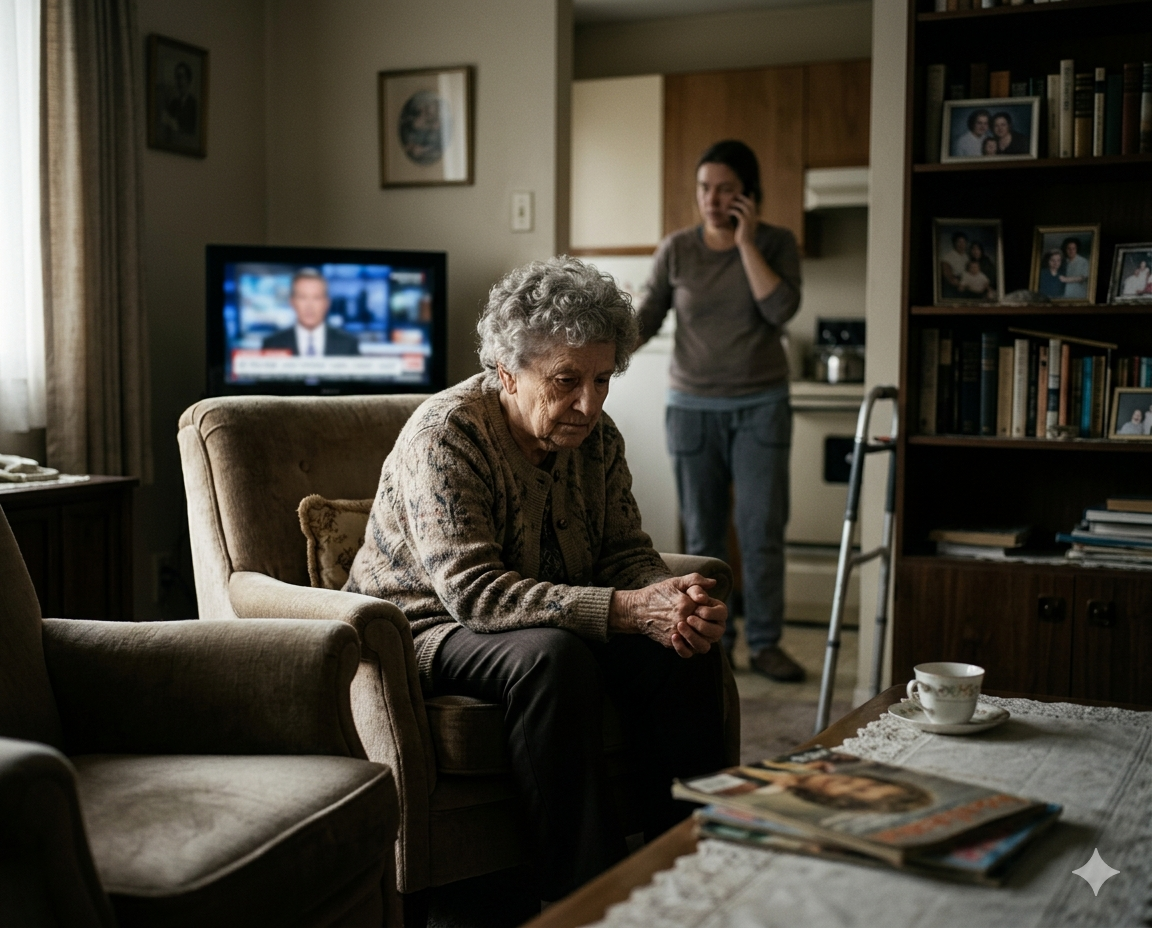
Elder abuse is a serious criminal offense in California that is taken very seriously by law enforcement and the courts. California Penal Code § 368 is the main statute used to prosecute crimes involving harm, neglect, or financial exploitation of elderly and dependent adults. This law is designed to protect some of the most vulnerable members of society and ensure they are treated with dignity, safety, and respect.
This guide explains what you need to know about Penal Code 368, including what qualifies as elder abuse, who is protected, legal penalties, defenses, reporting duties, and what steps to take if abuse is suspected.
What Is California Penal Code § 368?
California Penal Code § 368 makes it a crime to abuse, neglect, or financially exploit an elder or dependent adult. Unlike general assault or theft laws, this statute specifically focuses on protecting individuals who may not be able to fully protect themselves due to age, illness, or disability.
The law recognizes that harm against older adults can take many forms. It is not limited to physical violence. It also includes emotional harm, neglect of basic needs, and misuse of money or property.
Penal Code 368 is structured to allow prosecutors to charge offenders either as a misdemeanor or felony depending on the severity of the conduct and the level of harm caused.
Who Is Protected Under Penal Code 368?
This law protects two categories of individuals:
Elderly Persons
An elder is any person who is 65 years of age or older. Once a person reaches this age, they are automatically covered under Penal Code 368 protections.
Dependent Adults
A dependent adult is someone between the ages of 18 and 64 who has physical or mental limitations that restrict their ability to carry out normal activities or protect their rights.
This may include individuals who:
- Have physical disabilities that limit movement or self-care
- Have developmental disabilities
- Experience cognitive impairments such as dementia or memory loss
- Live in assisted care facilities, nursing homes, or hospitals
The law ensures that both seniors and vulnerable adults receive equal protection from abuse or neglect.
Types of Elder Abuse Covered by Law
Penal Code 368 covers several types of abusive behavior. Each type is treated seriously under California law.
Physical Abuse
Physical abuse involves intentionally causing bodily harm or injury to an elder or dependent adult. This can include hitting, pushing, slapping, or improper use of restraints. Even one incident of physical harm may result in criminal charges if it is intentional or reckless.
Neglect
Neglect occurs when a caregiver fails to provide necessary care, resulting in harm or risk of harm. This is one of the most commonly reported forms of elder abuse.
Examples of neglect include:
- Failing to provide food, water, or hygiene care
- Not administering required medication
- Ignoring medical needs or appointments
- Leaving a dependent adult in unsafe or unsanitary conditions
Neglect can be intentional or caused by carelessness, but both may lead to legal consequences.
Financial Abuse
Financial abuse involves the illegal or improper use of an elder’s money, assets, or property. This type of abuse is increasingly common, especially among isolated seniors.
Examples include:
- Stealing money or valuables
- Forging checks or signatures
- Misusing power of attorney authority
- Coercing changes to wills, trusts, or beneficiary designations
- Scamming or deceiving an elder for financial gain
Financial exploitation can result in severe penalties, especially when large sums of money are involved.
Emotional or Psychological Abuse
Emotional abuse involves behavior that causes mental suffering or emotional distress. This may include threats, humiliation, intimidation, isolation, or verbal harassment.
While emotional abuse can be harder to prove than physical harm, it is still recognized under the law when it causes significant mental suffering.
Endangerment
Endangerment occurs when a person places an elder or dependent adult in a situation likely to cause harm. This can include exposing them to dangerous environments or failing to prevent foreseeable harm.
Penalties for Elder Abuse in California
Penalties under Penal Code 368 vary depending on whether the offense is charged as a misdemeanor or felony.
Misdemeanor Elder Abuse
A misdemeanor charge may apply when the conduct involves negligence or does not result in serious injury.
Possible penalties include:
- Up to one year in county jail
- Monetary fines
- Probation
- Mandatory counseling or education programs
Felony Elder Abuse
A felony charge applies when the abuse is intentional or causes significant injury or risk of death.
Possible penalties include:
- Two, three, or four years in state prison
- Additional prison time if serious bodily injury occurs
- Higher fines
- Possible strike under California’s Three Strikes law in severe cases
Enhanced Penalties
Penalties may increase if:
- The victim is extremely elderly or medically fragile
- The abuse involves repeated conduct
- The offender is a caregiver or trusted individual
- The abuse occurs in a licensed care facility
Common Legal Defenses in Elder Abuse Cases
Individuals accused of elder abuse may have several possible defenses depending on the situation.
Accidental Harm
If the injury occurred accidentally and was not caused by negligence or intent, criminal liability may not apply.
False Allegations
Elder abuse accusations may sometimes arise from misunderstandings, family disputes, or financial disagreements.
Lack of Knowledge
A defendant may argue they did not know the victim was classified as an elder or dependent adult.
No Legal Duty of Care
In neglect cases, the accused may not be legally responsible for providing care.
Insufficient Evidence
The prosecution must prove guilt beyond a reasonable doubt. If evidence is weak or incomplete, charges may be reduced or dismissed.
Mandatory Reporting Requirements
California law requires certain professionals to report suspected elder abuse. These mandatory reporters include healthcare workers, social workers, caregivers in licensed facilities, and law enforcement personnel.
Reports are typically made to Adult Protective Services or local police departments. Failure to report suspected abuse can also result in legal penalties.
Civil vs Criminal Elder Abuse Cases
Elder abuse cases can lead to both criminal and civil actions.
- Criminal cases are filed by the government and focus on punishment such as jail time or fines.
- Civil cases are filed by victims or their families and focus on financial compensation for damages such as medical costs, pain, suffering, or financial losses.
Both cases can proceed at the same time.
How Elder Abuse Is Investigated
Elder abuse investigations may involve multiple agencies and forms of evidence, including:
- Police interviews with victims, caregivers, and witnesses
- Medical evaluations documenting injuries or neglect
- Financial audits and bank record analysis
- Surveillance footage or digital communications
- Facility inspections in nursing homes or care centers
These investigations are often detailed and may take time to complete.
What to Do If You Suspect Elder Abuse
If you believe an elder or dependent adult is being abused, it is important to act quickly.
Ensure Immediate Safety
If someone is in immediate danger, contact emergency services right away.
Report the Situation
Reports can be made to local law enforcement or Adult Protective Services. If the abuse occurs in a care facility, you may also contact oversight agencies responsible for those institutions.
Preserve Evidence
Keep any available evidence such as photos, medical records, financial documents, or written communications.
Seek Legal Assistance
Legal professionals experienced in elder abuse cases can help protect victims’ rights and guide families through the reporting and legal process.
Why Penal Code 368 Is Important
California Penal Code § 368 plays a critical role in protecting elderly and dependent adults from harm. It recognizes that vulnerable individuals require additional legal protection and ensures that abuse, neglect, and exploitation are punished appropriately.
This law also helps raise awareness, encourage reporting, and prevent future harm by holding offenders accountable.
Final Thoughts
Elder abuse is often hidden and underreported. It can occur in homes, hospitals, or care facilities, and may involve people who are trusted caregivers or even family members. Understanding California Penal Code § 368 is an important step in recognizing abuse and taking action to protect vulnerable individuals.
Awareness, early reporting, and proper legal action can make a significant difference in preventing ongoing harm and ensuring justice for victims.
Contact Southwest Legal
If you or a loved one is facing allegations of elder abuse, or if you need help understanding your legal rights under California Penal Code § 368, professional legal guidance is essential. The legal process can be complex, and having the right support can make a major difference in the outcome of your case. Contact Southwest Legal today to speak with an experienced legal team that can help you understand your options, protect your rights.
Disclaimer: This article is for general informational purposes only and does not constitute legal advice or create an attorney-client relationship. No attorney-client relationship is formed unless and until the firm and client enter into an agreement for legal services. Laws may change, and legal outcomes depend on the specific facts of each case. Consult a qualified attorney for advice regarding your situation.