


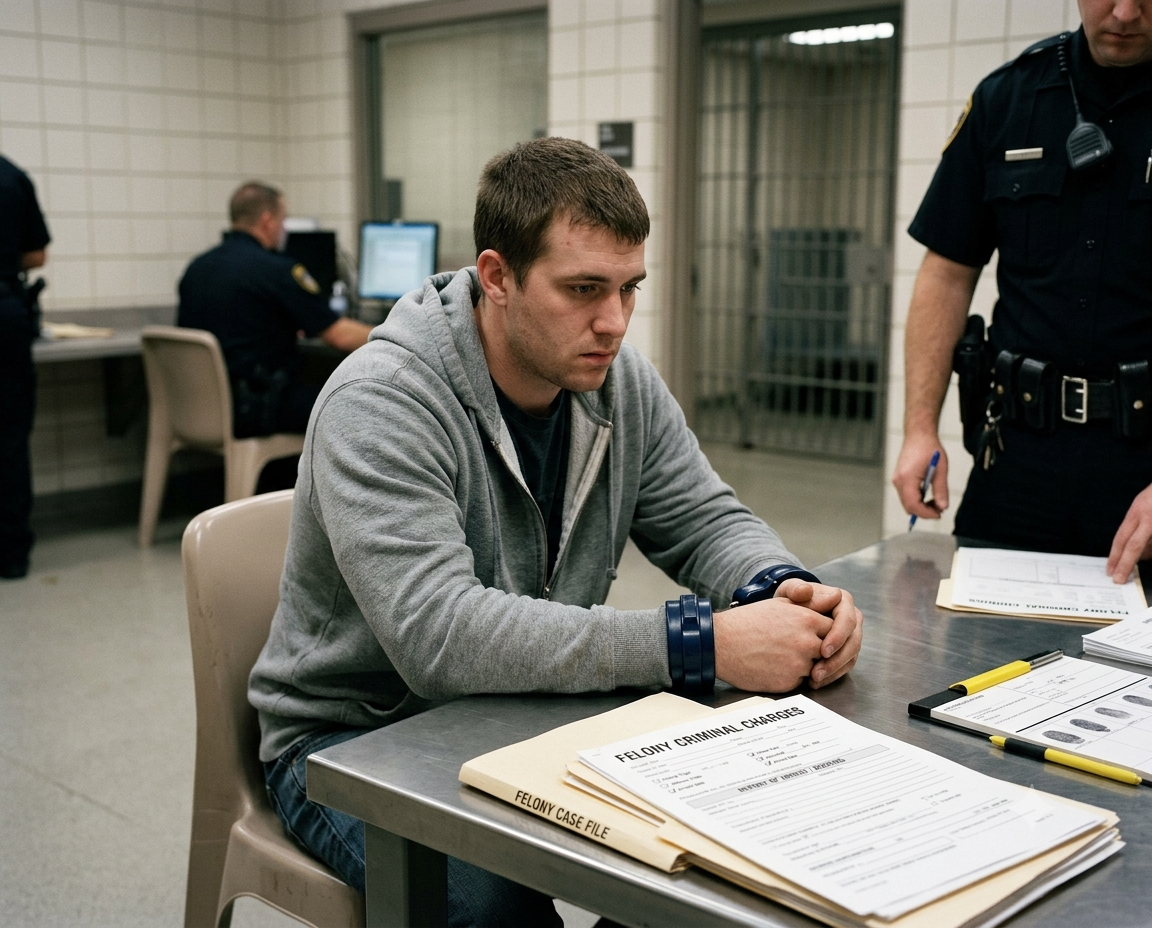
When facing criminal charges in California, the classification of an offense can significantly affect the penalties and long-term consequences a person may face. One of the most important legal classifications is the designation of a “serious felony” under California Penal Code 1192.7.
A serious felony conviction can influence sentencing, plea negotiations, eligibility for certain forms of relief, and future criminal proceedings. It may also trigger enhanced penalties under California’s Three Strikes Law, making it critical for defendants and their families to understand how the law works.
This guide explains California Penal Code 1192.7, what constitutes a serious felony, common offenses included under the statute, and the potential consequences of a conviction.
What Is California Penal Code 1192.7?
California Penal Code 1192.7 is a statute that identifies specific crimes considered “serious felonies” under California law. The law serves as an important reference point for courts, prosecutors, and defense attorneys when determining how criminal cases should be handled and sentenced.
The statute includes a detailed list of offenses that California lawmakers have determined involve a heightened level of danger, violence, or harm to victims. A conviction for one of these offenses can carry substantial penalties and may have lasting effects on a person’s future.
The serious felony designation plays a role in:
- Sentencing decisions
- Strike allegations under California’s Three Strikes Law
- Plea bargaining considerations
- Sentencing enhancements
- Criminal history evaluations
- Future felony prosecutions
Because of these implications, whether a crime qualifies as a serious felony can become a major issue in criminal proceedings.
Why the Serious Felony Classification Matters
Not every felony offense is considered a serious felony. California law distinguishes between standard felonies, serious felonies, and violent felonies.
Being convicted of a serious felony can result in consequences that extend well beyond the initial criminal sentence.
Enhanced Sentencing Consequences
Courts may impose harsher penalties for serious felony offenses compared to other felony crimes. In some situations, prior serious felony convictions can increase punishment for future offenses.
Impact Under the Three Strikes Law
Many serious felonies qualify as strike offenses under California’s Three Strikes sentencing system. A strike conviction can significantly increase penalties if the individual is convicted of another felony in the future.
Restrictions on Plea Negotiations
Certain serious felony allegations may limit available plea bargaining options or affect how prosecutors approach negotiations.
Long-Term Effects
A serious felony conviction may impact:
- Employment opportunities
- Professional licensing
- Housing applications
- Educational opportunities
- Firearm rights
- Immigration status
The effects often continue long after a criminal sentence has been completed.
What Crimes Are Considered Serious Felonies?
California Penal Code 1192.7 contains an extensive list of offenses classified as serious felonies. While the exact list is established by law, several categories commonly fall within the serious felony designation.
Murder
Murder is among the most severe offenses under California law and is classified as a serious felony. Convictions can carry lengthy prison sentences, including life imprisonment in certain cases.
Voluntary Manslaughter
Voluntary manslaughter involves the unlawful killing of another person under circumstances that differ from murder. Despite these distinctions, it remains a serious felony.
Mayhem
Mayhem generally involves intentionally causing permanent injury, disfigurement, or disability to another person. Due to the significant harm involved, it is classified as a serious felony.
Robbery
Robbery occurs when property is taken from another person through force, intimidation, or fear. Because the crime directly threatens personal safety, it is included among California’s serious felonies.
Kidnapping
Kidnapping offenses involve unlawfully moving or detaining another person and are considered serious felonies due to the risks posed to victims.
Carjacking
Carjacking combines elements of theft and force. The use of intimidation or violence during the taking of a vehicle places the offense within the serious felony category.
Residential Burglary
Burglary involving an inhabited dwelling, commonly referred to as first-degree residential burglary, is generally treated as a serious felony because of the danger posed to occupants.
Certain Sex Crimes
California law classifies several sex offenses as serious felonies, particularly those involving force, violence, threats, or child victims.
Arson
Certain arson offenses involving occupied structures, inhabited property, or risks to human life may qualify as serious felonies.
Crimes Involving Firearms
Many offenses involving the use, display, discharge, or possession of firearms during criminal conduct may qualify as serious felonies or trigger sentencing enhancements.
Great Bodily Injury and Serious Felonies
Some crimes become serious felonies when the defendant personally inflicts great bodily injury upon another person.
Great bodily injury generally refers to significant or substantial physical harm rather than minor injuries.
Examples may include:
- Broken bones
- Severe burns
- Significant internal injuries
- Permanent disfigurement
- Long-term physical impairment
The presence of great bodily injury can substantially increase potential penalties and affect how a case is charged and prosecuted.
Firearms and Serious Felony Allegations
California law treats firearm-related criminal conduct particularly seriously.
A felony offense may be classified as a serious felony when:
- A firearm is personally used during the offense
- A firearm is discharged
- A victim is injured by gunfire
- The defendant is armed during the commission of certain crimes
Because firearms increase the risk of serious injury or death, courts frequently impose enhanced penalties when weapons are involved.
Serious Felonies and California’s Three Strikes Law
One of the most significant consequences of a serious felony conviction is its potential effect under California’s Three Strikes Law.
The law was designed to increase penalties for repeat offenders convicted of qualifying crimes.
First Strike
A conviction for a qualifying serious or violent felony may result in a strike being placed on the defendant’s criminal record.
Second Strike
If a person later commits another felony and has a prior strike conviction, sentencing consequences may increase substantially.
Third Strike
Additional qualifying convictions can result in significantly enhanced prison sentences under California law.
Because serious felony convictions often qualify as strikes, defendants frequently focus considerable attention on avoiding strike allegations whenever possible.
Serious Felonies vs. Violent Felonies
Although the terms are often used interchangeably, serious felonies and violent felonies are not identical classifications.
California maintains separate legal definitions for each category.
Similarities
Many offenses appear on both lists, including:
- Murder
- Robbery
- Kidnapping
- Certain sex crimes
Differences
Some offenses qualify as serious felonies without necessarily meeting the legal definition of a violent felony.
The distinction can affect:
- Sentencing calculations
- Custody credits
- Parole eligibility
- Strike consequences
- Sentence enhancements
Understanding the difference often requires a detailed analysis of the specific offense and circumstances involved.
Can Serious Felony Charges Be Challenged?
Being charged with a serious felony does not automatically result in a conviction. Prosecutors must still prove every required element of the offense beyond a reasonable doubt.
Depending on the facts of the case, defenses may include:
Mistaken Identity
The defendant may have been incorrectly identified as the person responsible for the crime.
False Allegations
Witnesses or accusers may provide inaccurate information, intentionally or unintentionally.
Lack of Intent
Certain crimes require proof that the defendant acted with a specific criminal intent.
Insufficient Evidence
The prosecution must present sufficient evidence to establish guilt beyond a reasonable doubt.
Constitutional Violations
Evidence obtained through unlawful searches, seizures, or interrogations may be challenged in court.
The availability of defenses depends entirely on the facts and circumstances of each case.
Immigration Consequences of Serious Felony Convictions
For non-citizens, a serious felony conviction may create significant immigration consequences.
Potential issues may include:
- Deportation proceedings
- Inadmissibility to the United States
- Denial of immigration benefits
- Loss of lawful immigration status
Because immigration law can be highly complex, individuals facing criminal charges should understand how a conviction may affect their immigration situation.
Can a Serious Felony Conviction Be Removed from Your Record?
California law provides certain forms of post-conviction relief in some situations.
Potential options may include:
- Expungement petitions
- Certificates of Rehabilitation
- Governor’s pardons
- Other forms of legal relief where applicable
Eligibility depends on several factors, including:
- The offense involved
- The sentence imposed
- Completion of probation or parole
- The individual’s criminal history
Even when relief is available, certain consequences of a serious felony conviction may remain.
Long-Term Consequences of a Serious Felony Conviction
A serious felony conviction can affect many areas of life beyond incarceration.
Potential long-term consequences include:
- Difficulty obtaining employment
- Professional licensing restrictions
- Housing challenges
- Loss of firearm rights
- Damage to reputation
- Immigration complications
- Enhanced penalties for future criminal charges
Understanding these potential consequences is important when evaluating defense strategies and legal options.
Frequently Asked Questions
Is every felony considered a serious felony in California?
No. California law distinguishes between ordinary felonies and those specifically designated as serious felonies under Penal Code 1192.7.
Does a serious felony count as a strike?
Many serious felonies qualify as strikes under California’s Three Strikes Law, although the specific facts and charges should always be reviewed carefully.
Is robbery a serious felony?
Yes. Robbery is one of the offenses specifically classified as a serious felony under California law.
Is residential burglary a serious felony?
In many cases, first-degree residential burglary is considered a serious felony because it involves an inhabited dwelling.
Can a serious felony affect future criminal cases?
Yes. A prior serious felony conviction can lead to enhanced penalties and additional consequences if the individual faces criminal charges in the future.
Conclusion
California Penal Code 1192.7 plays a critical role in the state’s criminal justice system by identifying offenses that qualify as serious felonies. These crimes are treated differently because of their nature, the harm they cause, or the risks they pose to public safety.
A serious felony conviction can have significant consequences, including lengthy prison sentences, strike allegations, enhanced penalties, and long-term impacts on employment, housing, professional opportunities, and immigration status. Because the stakes are often high, understanding the law and available legal options is essential for anyone facing serious felony allegations.
Every criminal case is unique, and the outcome often depends on the specific facts, evidence, and legal issues involved. Individuals facing serious felony charges should seek qualified legal guidance as soon as possible to protect their rights and explore available defense strategies.
Contact Southwest Legal
If you or a loved one has been arrested for or charged with a serious felony in Southern California, obtaining experienced legal representation early in the process can make a meaningful difference. Serious felony cases often involve complex legal issues, aggressive prosecution, and potentially life-changing consequences.
At Southwest Legal, our criminal defense team understands the challenges individuals face when accused of serious crimes. We are committed to protecting our clients’ rights, thoroughly evaluating every case, and pursuing the strongest defense strategy available under the law.
Whether you are facing allegations involving robbery, burglary, assault, weapons offenses, kidnapping, or another serious felony charge, Southwest Legal is prepared to help you understand your options and navigate the criminal justice process.
Contact us today for a free consultation. Our team is ready to review your case, answer your questions, and help you take the next steps toward protecting your future.
Disclaimer: This article is for general informational purposes only and does not constitute legal advice or create an attorney-client relationship. No attorney-client relationship is formed unless and until the firm and client enter into an agreement for legal services. Laws may change, and legal outcomes depend on the specific facts of each case. Consult a qualified attorney for advice regarding your situation.