


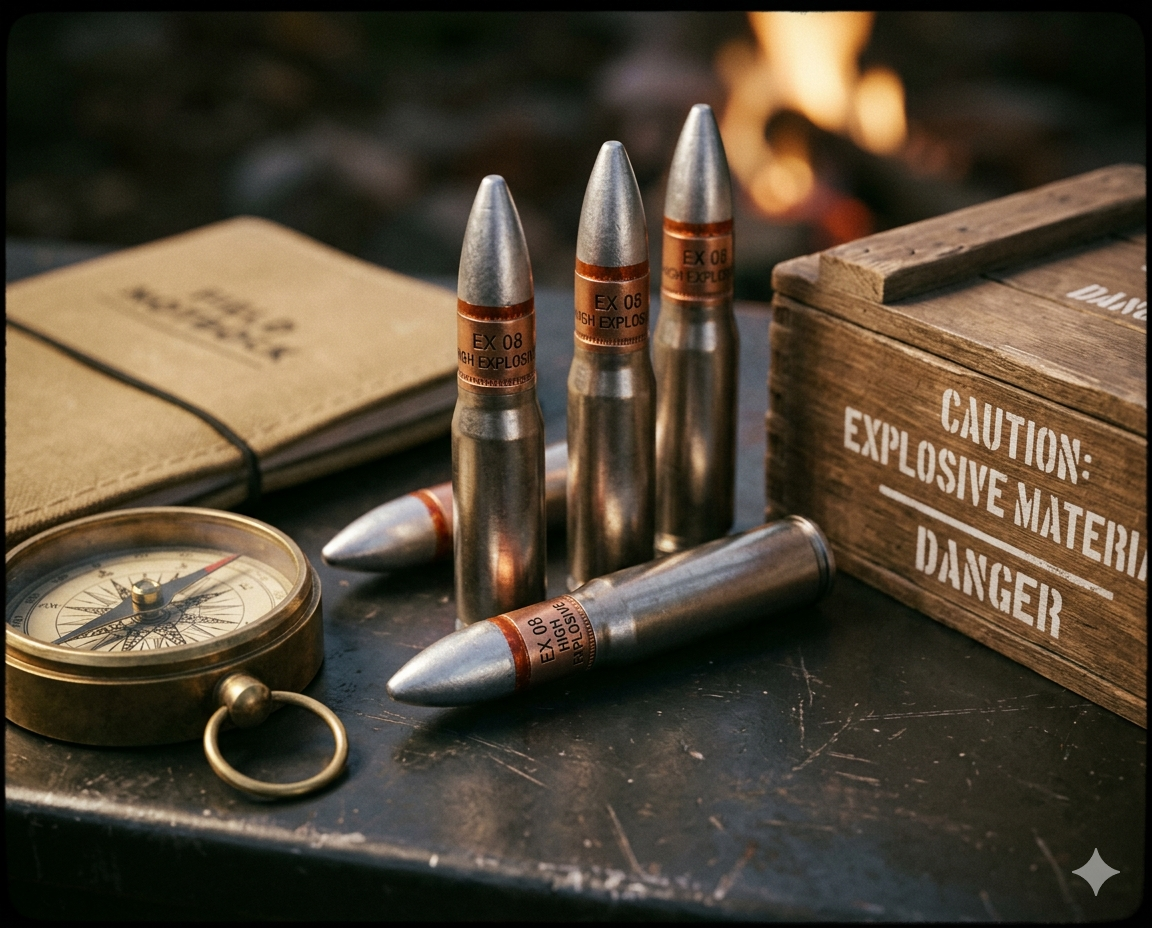
California maintains some of the most comprehensive firearms and ammunition regulations in the United States. Among these laws is California Penal Code § 30210, which addresses ammunition known as bullets with an explosive agent. Because violations can lead to serious criminal consequences, individuals often seek information about what the law prohibits, how it is enforced, and what penalties may apply.
Whether you are a firearm owner, collector, shooting enthusiast, or someone facing criminal allegations, understanding California Penal Code § 30210 is important. This article explains the statute in clear terms, discusses the potential consequences of a violation, outlines common legal defenses, and answers frequently asked questions about explosive-agent ammunition in California.
What Is California Penal Code § 30210?
California Penal Code § 30210 generally prohibits the possession, manufacture, importation, transportation, sale, furnishing, or transfer of bullets that contain an explosive agent.
The law is intended to regulate ammunition designed to create an explosive reaction beyond the normal operation of a standard firearm cartridge. California lawmakers have classified this type of ammunition as particularly dangerous due to the potential for increased injury, property damage, and public safety risks.
As a result, individuals who knowingly engage in prohibited activities involving explosive-agent bullets may face criminal charges under California law.
What Are Bullets With an Explosive Agent?
A bullet with an explosive agent is generally a projectile that contains an explosive substance designed to detonate or react explosively under certain conditions, such as impact.
Unlike conventional ammunition, which relies primarily on velocity and kinetic energy to strike a target, explosive-agent bullets incorporate materials intended to produce an additional explosive effect.
Characteristics commonly associated with explosive-agent bullets may include:
- Explosive compounds contained within the projectile
- Impact-triggered explosive reactions
- Specialized construction intended to create a blast effect
- Increased destructive capability compared to standard ammunition
Whether a particular round falls within the scope of California Penal Code § 30210 depends on its design, composition, and intended function.
Why Does California Regulate Explosive-Agent Bullets?
California’s restrictions are based largely on public safety concerns.
Lawmakers have determined that ammunition containing explosive agents may present elevated risks because it can potentially:
- Cause more severe physical injuries
- Increase the likelihood of fatal outcomes
- Create fire hazards
- Damage property beyond the impact point
- Present additional dangers to law enforcement personnel
- Increase risks during criminal activity
By restricting access to explosive-agent ammunition, the state seeks to reduce the potential harm associated with these specialized projectiles.
What Conduct Is Prohibited Under Penal Code § 30210?
California Penal Code § 30210 covers a broad range of activities involving explosive-agent bullets. The law extends beyond simple ownership and includes various forms of handling and distribution.
Possession
Possessing explosive-agent bullets may constitute a violation of the statute.
Possession can be either:
Actual Possession
- Carrying the ammunition on one’s person
Constructive Possession
- Having control over the location where the ammunition is stored
Examples may include ammunition found in:
- A residence
- A vehicle
- A gun safe
- A storage unit
- Personal belongings
Manufacturing
The law prohibits manufacturing or producing ammunition that contains explosive agents.
Manufacturing activities may include:
- Assembling explosive rounds
- Modifying existing ammunition
- Loading explosive materials into projectiles
- Creating ammunition intended to detonate upon impact
Importation
Bringing explosive-agent bullets into California from another state or jurisdiction may violate the statute.
Individuals sometimes mistakenly assume that ammunition legally acquired elsewhere is automatically lawful in California. However, California’s ammunition regulations may differ significantly from those in other states.
Transportation
Transporting prohibited ammunition may also lead to criminal liability.
Transportation issues may arise when ammunition is moved:
- Across state lines
- Between locations within California
- Through commercial delivery channels
Sale or Distribution
California Penal Code § 30210 generally prohibits:
- Selling explosive-agent bullets
- Offering them for sale
- Furnishing them to another person
- Giving them away
- Trading or exchanging them
The prohibition applies regardless of whether money changes hands.
Elements Prosecutors Must Generally Prove
In criminal prosecutions, the government bears the burden of proving each required element beyond a reasonable doubt.
Although every case is different, prosecutors typically must establish that:
- The ammunition qualified as a bullet containing an explosive agent.
- The defendant possessed, manufactured, transported, imported, sold, furnished, or transferred the ammunition.
- The defendant knew of the ammunition’s existence.
- The defendant exercised control over it when possession is alleged.
The specific evidence required depends on the facts of the case and the nature of the alleged conduct.
Penalties for Violating California Penal Code § 30210
Violations involving explosive-agent bullets can carry significant criminal consequences.
Potential penalties may include:
Incarceration
A conviction can result in time spent in county jail or other forms of custody depending on the circumstances of the case and applicable sentencing provisions.
Criminal Fines
Courts may impose monetary penalties in addition to any custodial sentence.
Probation
In some situations, probation may be available. Conditions of probation can vary and may include restrictions on firearm possession, reporting requirements, and compliance with court orders.
Permanent Criminal Record
A conviction can create a criminal record that may affect:
- Employment opportunities
- Professional licensing
- Housing applications
- Educational opportunities
- Firearm rights
- Certain immigration matters
Because collateral consequences can extend far beyond the conclusion of a criminal case, these charges should be taken seriously.
How Law Enforcement Investigates These Cases
Investigations involving prohibited ammunition often rely on multiple forms of evidence.
Common sources of evidence include:
Physical Evidence
Investigators may recover:
- Ammunition
- Packaging materials
- Firearms-related equipment
- Storage containers
Laboratory Analysis
Specialized testing may be conducted to determine:
- Chemical composition
- Explosive properties
- Projectile design
- Whether the ammunition falls within the statutory definition
Witness Statements
Law enforcement may interview:
- Owners
- Sellers
- Purchasers
- Family members
- Other individuals connected to the investigation
Electronic Evidence
Investigators may review:
- Emails
- Text messages
- Online purchase records
- Social media communications
- Digital transaction histories.
Common Legal Defenses to Penal Code § 30210 Charges
Every criminal case is unique, and the availability of defenses depends on the facts involved. However, several defenses frequently arise in cases involving prohibited ammunition.
Lack of Knowledge
A person generally cannot intentionally possess something they do not know exists.
Examples may include:
- Ammunition left behind by another individual
- Property inherited without knowledge of its contents
- Shared storage areas
- Vehicles used by multiple people
If the prosecution cannot establish knowledge, it may have difficulty proving the charge.
Lack of Possession or Control
Merely being near prohibited ammunition does not necessarily establish possession.
A defense may argue that:
- The ammunition belonged to someone else
- The defendant lacked control over the location
- Multiple individuals had access to the area
Improper Search and Seizure
The United States Constitution protects individuals from unlawful searches and seizures.
Evidence may be challenged if law enforcement:
- Conducted an illegal search
- Exceeded the scope of a warrant
- Lacked probable cause
- Violated constitutional protections
If a court suppresses unlawfully obtained evidence, the prosecution’s case may be significantly weakened.
Misidentification of the Ammunition
Not every unusual or specialty round qualifies as a bullet containing an explosive agent.
Defense attorneys may challenge:
- Laboratory conclusions
- Expert testimony
- Testing procedures
- The classification of the ammunition itself
The prosecution must establish that the ammunition actually falls within the scope of the statute.
Are There Exceptions to the Law?
Certain California weapons statutes contain limited exceptions for specific governmental or authorized entities.
Depending on the circumstances, exceptions may apply to:
- Law enforcement agencies
- Military organizations
- Government-authorized activities
- Other narrowly defined situations recognized by law
Because these exceptions are highly fact-specific, individuals should not assume that an exception applies without obtaining legal advice.
How Does This Law Differ From Other California Ammunition Laws?
California regulates numerous categories of weapons and ammunition.
Penal Code § 30210 specifically focuses on bullets containing explosive agents.
Other statutes address subjects such as:
- Armor-piercing ammunition
- Destructive devices
- Explosive materials
- Firearm possession restrictions
- Ammunition transfer requirements
In some cases, prosecutors may file multiple charges arising from the same incident if several statutes are allegedly violated.
Frequently Asked Questions
Are explosive bullets legal in California?
In most circumstances, California law prohibits the possession, manufacture, transportation, importation, sale, furnishing, and transfer of bullets containing explosive agents.
Can I be arrested for simply possessing explosive-agent ammunition?
Possession alone may be sufficient to support criminal charges if the ammunition falls within the scope of the statute and the required legal elements are present.
What if I did not know the ammunition was explosive?
Knowledge can be an important issue in criminal cases. A lack of knowledge may provide a defense depending on the circumstances.
Are novelty or specialty rounds automatically illegal?
Not necessarily. Whether a round qualifies as an explosive-agent bullet depends on its design, composition, and legal classification.
Can a conviction affect my firearm rights?
Potentially. Criminal convictions involving weapons or ammunition offenses can have consequences for firearm ownership and possession rights.
Should I speak with law enforcement if I am under investigation?
Individuals under investigation often choose to consult a criminal defense attorney before answering questions from law enforcement. Legal counsel can provide guidance based on the specific facts of the case.
The Importance of Legal Representation
Cases involving specialized ammunition often involve technical evidence, scientific testing, and complex legal questions. Prosecutors may rely on expert witnesses, laboratory reports, and extensive investigations to support their allegations.
An experienced criminal defense attorney can evaluate the evidence, identify constitutional issues, challenge the prosecution’s case, and work to protect a client’s rights throughout the legal process.
Early legal representation can make a significant difference in developing a strong defense strategy and pursuing the most favorable outcome available under the circumstances.
Conclusion
California Penal Code § 30210 imposes strict restrictions on bullets containing explosive agents. The law broadly prohibits possession, manufacture, importation, transportation, sale, furnishing, and transfer of this type of ammunition, and violations can result in serious criminal consequences.
Because these cases often involve technical classifications, scientific analysis, and constitutional issues, anyone facing allegations under this statute should carefully evaluate their legal options. Understanding the law, the prosecution’s burden of proof, and the defenses that may be available is essential when addressing charges involving explosive-agent ammunition in California.
Contact Southwest Legal
If you have been arrested, charged, or are under investigation for a weapons or ammunition-related offense, speaking with an experienced criminal defense attorney can help you understand your rights and legal options.
The legal team at Southwest Legal provides personalized representation and strategic guidance for individuals facing criminal charges throughout Southern California. Contact us today for a free consultation to discuss your situation and learn how our attorneys can help you navigate your defense.
Disclaimer: This article is for general informational purposes only and does not constitute legal advice or create an attorney-client relationship. No attorney-client relationship is formed unless and until the firm and client enter into an agreement for legal services. Laws may change, and legal outcomes depend on the specific facts of each case. Consult a qualified attorney for advice regarding your situation.