


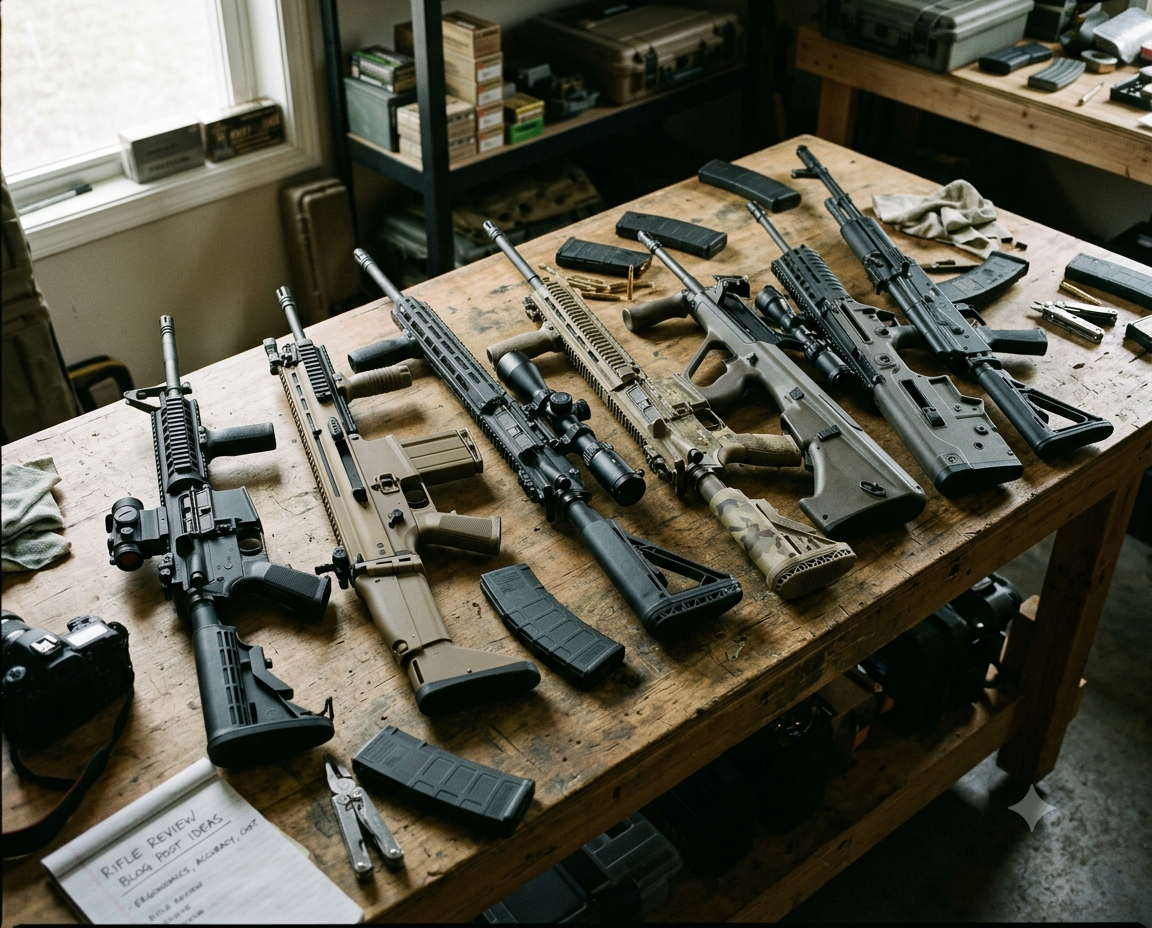
California has some of the strictest firearm laws in the United States. Among the most heavily regulated firearms are assault weapons and certain types of rifles. California Penal Code § 30600 makes it a serious criminal offense to manufacture, distribute, transport, import, sell, or offer for sale assault weapons and .50 BMG rifles within the state.
Because violations can lead to felony charges, significant prison sentences, and life-changing consequences, understanding Penal Code § 30600 is critical for firearm owners, collectors, dealers, and anyone facing criminal allegations involving regulated firearms.
This guide explains California Penal Code § 30600, the penalties involved, potential defenses, and frequently asked questions regarding assault weapons and rifles in California.
What Is California Penal Code § 30600?
California Penal Code § 30600 prohibits individuals from:
- Manufacturing an assault weapon
- Causing an assault weapon to be manufactured
- Distributing an assault weapon
- Transporting an assault weapon into California
- Importing an assault weapon into California
- Keeping an assault weapon for sale
- Offering an assault weapon for sale
- Giving or lending an assault weapon to another person
- Manufacturing, importing, or selling a .50 BMG rifle
The statute is designed to restrict the circulation and transfer of firearms that California law classifies as assault weapons or .50 BMG rifles.
Unlike simple firearm possession laws, Penal Code § 30600 primarily targets activities involving the production, transfer, transportation, and commercial distribution of prohibited firearms.
What Is Considered an Assault Weapon in California?
Many people mistakenly believe that an assault weapon is defined solely by appearance. In reality, California law uses specific legal criteria to determine whether a firearm qualifies as an assault weapon.
Generally, an assault weapon may include:
1. Firearms Specifically Listed by Law
California maintains a list of firearms that are expressly designated as assault weapons.
2. Rifles with Certain Features
A semi-automatic centerfire rifle may qualify as an assault weapon if it has specific prohibited features, such as:
- Pistol grips
- Folding or telescoping stocks
- Flash suppressors
- Grenade or flare launchers
- Forward pistol grips
3. Certain Semi-Automatic Pistols
Some semi-automatic pistols with specified features may also fall under California’s assault weapon regulations.
4. Certain Shotguns
Specific semi-automatic shotguns and shotguns possessing prohibited characteristics can be classified as assault weapons under state law.
Because firearm classifications can be highly technical and subject to legislative changes, firearm owners should carefully review current California regulations before purchasing or modifying any firearm.
What Is a .50 BMG Rifle?
A .50 BMG rifle is generally defined as a firearm designed to fire a .50 Browning Machine Gun cartridge.
California heavily regulates these rifles due to their power, range, and ammunition capabilities.
Under Penal Code § 30600, manufacturing, importing, distributing, or selling a .50 BMG rifle may result in serious criminal charges.
Elements Prosecutors Must Prove
To obtain a conviction under California Penal Code § 30600, prosecutors generally must prove beyond a reasonable doubt that:
- The defendant manufactured, distributed, imported, transported, sold, offered for sale, lent, or gave away a firearm;
- The firearm legally qualified as an assault weapon or .50 BMG rifle; and
- The defendant acted knowingly regarding the conduct involved.
The prosecution must establish each required element. Failure to prove any element may prevent a conviction.
Penalties for Violating Penal Code § 30600
A violation of California Penal Code § 30600 is generally treated as a felony offense.
Potential penalties may include:
- State prison incarceration
- Formal felony probation in certain circumstances
- Significant fines
- Loss of firearm rights
- A permanent felony criminal record
The severity of punishment often depends on factors such as:
- The number of firearms involved
- Whether sales or distribution occurred
- Prior criminal history
- The specific circumstances surrounding the alleged offense
Because felony convictions can impact employment, professional licensing, housing opportunities, and constitutional rights, individuals facing these allegations should take the matter seriously.
Is Possession of an Assault Weapon Covered Under Penal Code § 30600?
Not necessarily.
California has separate statutes addressing possession of assault weapons.
While Penal Code § 30600 focuses on manufacturing, importing, selling, distributing, and transferring prohibited firearms, other statutes may apply when a person merely possesses an assault weapon.
However, prosecutors often file multiple firearm-related charges arising from the same investigation.
As a result, individuals accused under Penal Code § 30600 may also face allegations involving unlawful possession, registration violations, or other firearm offenses.
Common Defenses to Penal Code § 30600 Charges
Every criminal case is unique. Depending on the facts, several legal defenses may be available.
Lack of Knowledge
The prosecution must establish the required mental state.
A defendant may argue that they were unaware of the firearm’s characteristics or did not knowingly engage in prohibited conduct.
The Firearm Was Not Legally an Assault Weapon
One of the most common defenses involves challenging the classification of the firearm.
Because California firearm regulations are highly technical, a firearm may not actually meet the legal definition of an assault weapon or .50 BMG rifle.
Illegal Search and Seizure
Law enforcement officers must comply with constitutional protections when conducting searches.
If evidence was obtained through an unlawful search or seizure, a defense attorney may seek suppression of the evidence.
Mistaken Identity
In some investigations involving sales, transfers, or transportation, authorities may incorrectly identify the responsible individual.
Insufficient Evidence
The prosecution bears the burden of proving guilt beyond a reasonable doubt.
Weak evidence, inconsistent witness statements, or gaps in the investigation may create reasonable doubt.
Are There Any Exceptions Under California Law?
California law provides limited exceptions for certain individuals and circumstances.
Potential exceptions may involve:
- Authorized law enforcement agencies
- Military personnel acting within official duties
- Licensed entities operating under statutory exemptions
- Specific lawful registrations or permits recognized under California law
Because these exceptions are narrowly applied, individuals should not assume they qualify without obtaining legal guidance.
Federal Law vs. California Law
One source of confusion is the difference between federal firearm laws and California firearm laws.
A firearm that may be legal under federal law is not automatically legal under California law.
California imposes additional restrictions that often exceed federal requirements.
Therefore, firearm owners relocating to California or purchasing firearms outside the state should ensure compliance with California-specific regulations before bringing any firearm into the state.
What Happens After an Arrest?
If a person is arrested for violating Penal Code § 30600, the criminal process may include:
Investigation
Law enforcement agencies may conduct firearm inspections, forensic testing, and records reviews.
Filing of Charges
Prosecutors determine whether sufficient evidence exists to pursue formal criminal charges.
Arraignment
The defendant appears in court and enters a plea.
Pretrial Proceedings
Attorneys may challenge evidence, negotiate with prosecutors, or seek dismissal of charges.
Trial
If no resolution is reached, the case may proceed to trial where prosecutors must prove guilt beyond a reasonable doubt.
Consequences Beyond Criminal Penalties
A conviction under Penal Code § 30600 can create consequences that extend well beyond incarceration.
Potential collateral consequences include:
- Loss of firearm ownership rights
- Difficulty obtaining employment
- Professional licensing issues
- Immigration consequences for non-citizens
- Housing application challenges
- Damage to personal and professional reputation
These long-term effects often make an aggressive legal defense essential.
Frequently Asked Questions
Is an AR-15 automatically considered an assault weapon in California?
Not necessarily. Whether a firearm qualifies as an assault weapon depends on California’s legal definitions, specific features, configuration, and applicable regulations.
Can I legally bring a rifle into California from another state?
Certain rifles may be legal, while others may violate California firearm laws. Firearm owners should verify compliance before transporting any firearm into California.
Is violating Penal Code § 30600 a felony?
Yes. Violations are generally prosecuted as felony offenses and can carry substantial penalties.
Can assault weapon charges be dismissed?
Yes. Charges may be reduced or dismissed if the evidence is insufficient, constitutional violations occurred, or the firearm does not meet the legal definition of an assault weapon.
Can first-time offenders go to prison?
Potentially. Even individuals with no criminal history may face significant penalties depending on the circumstances of the case.
Why Legal Representation Matters
Assault weapon cases often involve highly technical firearm definitions, extensive forensic analysis, and complex constitutional issues. Prosecutors frequently rely on expert testimony and detailed firearm classifications to establish their cases.
An experienced criminal defense attorney can evaluate the evidence, challenge the firearm classification, identify procedural errors, negotiate with prosecutors, and pursue every available defense strategy.
Early intervention may significantly improve the outcome of a case and help protect an individual’s rights and future.
Contact Southwest Legal
If you or a loved one is facing allegations involving California Penal Code § 30600, obtaining knowledgeable legal guidance as early as possible can make a substantial difference. Firearm-related charges are serious and often involve complicated legal and factual issues that require careful analysis.
The legal team at Southwest Legal understands the challenges associated with California firearm prosecutions and works diligently to protect clients’ rights throughout every stage of the criminal process. Contact us today for a free consultation to discuss your situation and learn about the legal options available to you.
Disclaimer: This article is for general informational purposes only and does not constitute legal advice or create an attorney-client relationship. No attorney-client relationship is formed unless and until the firm and client enter into an agreement for legal services. Laws may change, and legal outcomes depend on the specific facts of each case. Consult a qualified attorney for advice regarding your situation.