


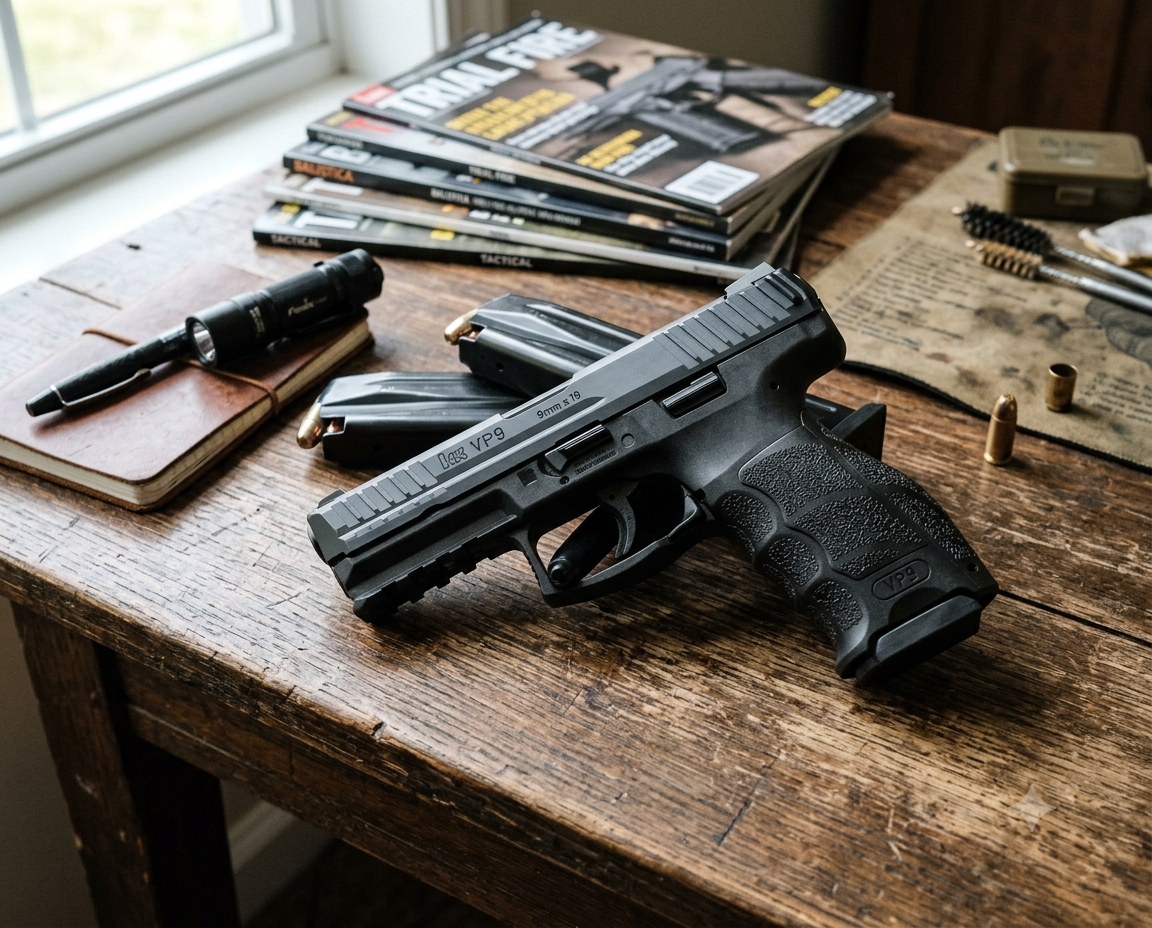
If you’ve been issued a Concealed Carry Weapon (CCW) permit in California, you may assume you are fully protected from criminal charges involving concealed firearms. However, many gun owners are surprised to learn that even with a valid CCW license, they can still be charged under California Penal Code § 25400 in certain situations.
So, does a CCW permit actually protect you from 25400 PC charges? The short answer is: sometimes—but not always. Understanding the limits of your permit is essential to avoiding serious criminal consequences.
This article breaks down how Penal Code 25400 works, when a CCW permit protects you, when it does not, and what legal issues commonly arise in these cases.
What Is California Penal Code 25400?
California Penal Code § 25400 makes it a crime to carry a concealed firearm on your person or in a vehicle under certain conditions.
In simple terms, the law generally prohibits:
- Carrying a concealed firearm on your person without legal authorization
- Carrying a concealed firearm in a vehicle without legal authorization
- Having a firearm hidden from plain view in public spaces without meeting an exception
A key part of this law is the phrase “without lawful authority.” That is where CCW permits become relevant.
Violations of Penal Code 25400 can be charged as either a misdemeanor or a felony depending on the circumstances, such as prior criminal history, aggravating factors, or where the firearm was carried.
What Is a CCW Permit in California?
A CCW permit (concealed carry license) is issued by a county sheriff or local police department. It allows the holder to legally carry a concealed handgun in public within California, subject to specific rules and restrictions.
To obtain a CCW permit, applicants generally must:
- Pass a thorough background check
- Complete required firearms training
- Meet eligibility standards under state and local law
- Submit fingerprints and documentation
- Comply with ongoing renewal requirements
However, a CCW permit is not unlimited permission to carry a firearm anywhere or under any conditions.
Does a CCW Permit Protect You from 25400 PC Charges?
The general rule:
Yes—if your CCW permit is valid and you are complying with its terms, it generally protects you from conviction under Penal Code 25400.
This is because lawful CCW holders fall under legal exemptions to the concealed carry prohibition.
However, that protection is conditional and can be lost if the permit is invalid or misused.
When a CCW Permit DOES Protect You
A valid CCW permit typically protects you from 25400 PC charges when:
1. You are carrying an authorized firearm
You must carry only the firearms listed and approved under your permit conditions.
2. Your permit is active and valid
Your CCW must be current and not expired, suspended, or revoked.
3. You comply with state and local restrictions
Even with a CCW, you must follow California laws and any restrictions placed by your issuing agency.
4. You are not in a prohibited location
Certain areas remain off-limits even for CCW holders, including:
- Schools and school zones (with limited exceptions)
- Courthouses
- Secure airport areas
- Federal facilities
- Private property where firearms are prohibited
5. You follow all permit conditions
This includes rules such as carrying concealed, not carrying while intoxicated, and adhering to any individualized restrictions.
When a CCW Permit DOES NOT Protect You
A CCW permit is not a blanket shield from prosecution.
1. Expired or invalid permit
If your CCW has expired or been revoked, you lose all legal protection under it.
2. Carrying an unauthorized firearm
Carrying a gun not listed or approved under your CCW can expose you to charges.
3. Carrying in restricted locations
Even licensed carriers can face criminal liability for entering prohibited areas with a firearm.
4. Federal law violations
A state CCW permit does not override federal firearm laws or restrictions on federal property.
5. Disqualifying conditions
You may still face charges if you are:
- Legally prohibited from possessing firearms
- Subject to a restraining order
- Carrying while under the influence of drugs or alcohol
Common Scenarios
Proper lawful carry
A person with a valid CCW carries a listed handgun while running errands.
 No violation of 25400 PC.
Entering a restricted area
A CCW holder brings a concealed firearm into a courthouse.
Possible criminal charges despite having a permit.
Expired CCW
A permit holder forgets to renew and continues carrying.
Likely exposed to 25400 PC charges.
Non-listed firearm
A CCW holder carries a handgun not approved under their permit.
Possible violation depending on permit terms.
Legal Defenses to 25400 PC Charges
If someone is charged under Penal Code 25400, possible defenses may include:
1. Valid CCW permit
A valid permit at the time of the incident may serve as a complete defense.
2. Lack of concealment
If the firearm was not concealed, the statute may not apply.
3. Illegal search or seizure
Evidence obtained unlawfully may be excluded in court.
4. Misunderstanding of permit status
In some cases, disputes arise over whether a permit was valid or properly recognized.
5. Insufficient evidence
The prosecution must still prove each element of the offense beyond a reasonable doubt.
Penalties for Violating 25400 PC
Penalties vary depending on whether the offense is charged as a misdemeanor or felony.
Misdemeanor penalties may include:
- Up to 1 year in county jail
- Fines and court fees
- Probation
- Firearm restrictions
Felony penalties may include:
- 16 months, 2 years, or 3 years in custody
- Higher fines
- Long-term loss of firearm rights
- A permanent criminal record
Aggravating factors can significantly increase penalties.
Key Takeaways
A CCW permit provides important legal protection under California law, but it is not absolute immunity.
You are generally protected from Penal Code 25400 charges if:
- Your permit is valid and active
- You carry only approved firearms
- You follow all restrictions and conditions
- You avoid prohibited locations
- You comply with state and federal law
Even small mistakes—such as carrying in a restricted area or using an expired permit—can lead to serious criminal exposure.
Final Thoughts
Many firearm-related charges in California arise not from criminal intent, but from misunderstandings about the limits of a CCW permit. Because the law is strict and highly fact-specific, even minor errors can have serious consequences.
If you are facing allegations under Penal Code 25400 or any firearm-related charge, the details of your permit status, location, and conduct will be critical to your defense.
Speak With a Criminal Defense Attorney
If you or a loved one has been charged under California Penal Code 25400 or any firearm-related offense, you do not have to face the situation alone. These cases often involve complex legal issues that require immediate attention and a strong defense strategy.
Southwest Legal provides experienced criminal defense representation for individuals facing firearm and weapons-related charges. Contact us today for a free consultation to discuss your case and protect your rights.
Disclaimer: This article is for general informational purposes only and does not constitute legal advice or create an attorney-client relationship. No attorney-client relationship is formed unless and until the firm and client enter into an agreement for legal services. Laws may change, and legal outcomes depend on the specific facts of each case. Consult a qualified attorney for advice regarding your situation.