


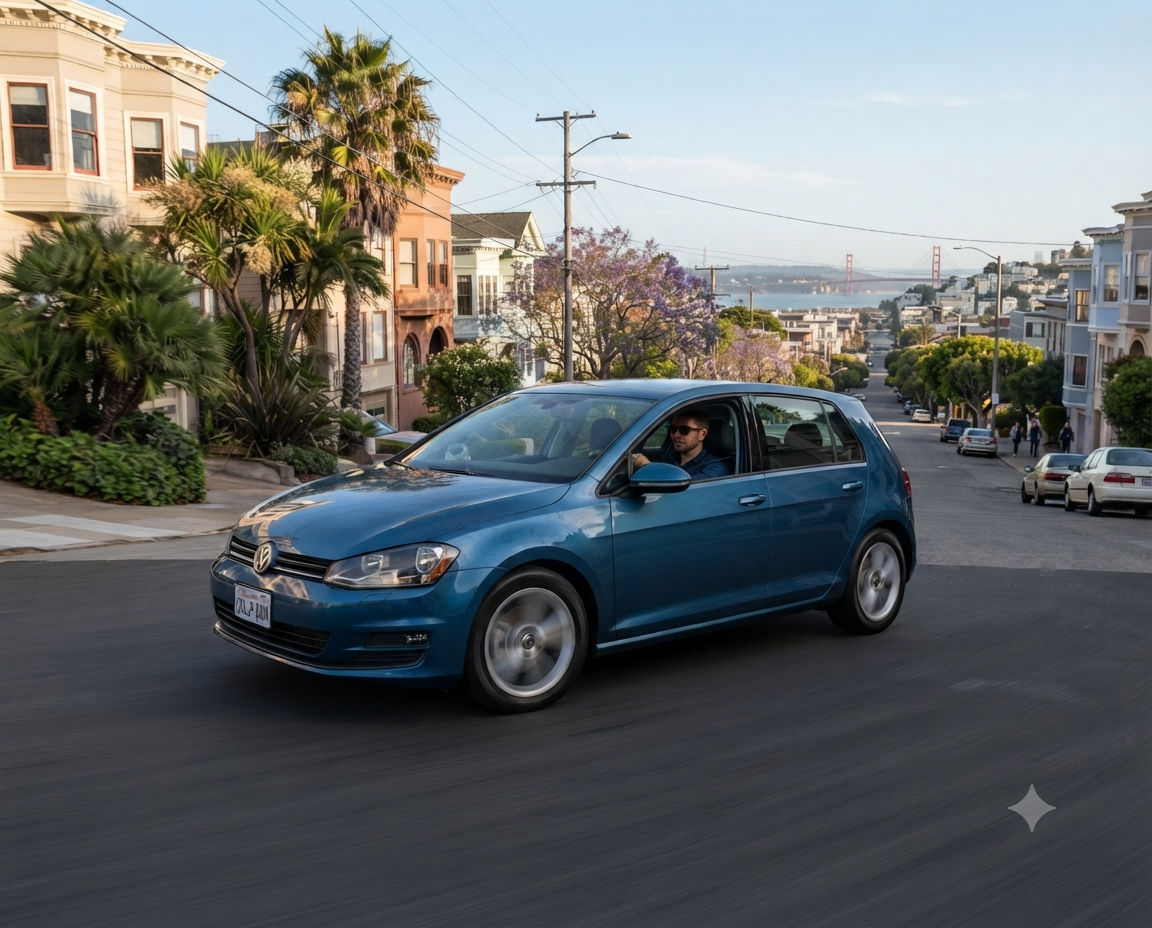
If you’ve ever driven down a steep hill and wondered whether shifting your vehicle into neutral could save fuel, you’re not alone. Many drivers have heard that coasting downhill in neutral can improve fuel economy or reduce wear on the engine. While that belief may have had some basis decades ago, modern vehicles—and California law—take a different view.
California Vehicle Code § 21710 prohibits drivers from coasting downhill with the vehicle’s transmission in neutral. Although this isn’t one of the most commonly cited traffic laws, it remains in effect because it promotes safer vehicle operation, particularly on steep grades and mountain roads.
In this guide, we’ll explain what Vehicle Code § 21710 means, why California prohibits coasting in neutral, the potential consequences of a violation, common defenses, and frequently asked questions drivers have about this law.
What Does California Vehicle Code § 21710 Say?
In simple terms, Vehicle Code § 21710 makes it unlawful for the driver of a motor vehicle to coast downhill with the gears or transmission in neutral.
Rather than quoting the statute, the practical takeaway is this:
If your vehicle is traveling downhill, it should remain in a driving gear so the engine helps control the vehicle’s speed.
The law focuses on maintaining safe vehicle control—not on preventing drivers from using neutral while the vehicle is stopped or parked.
What Does “Coasting in Neutral” Mean?
Coasting in neutral occurs when a moving vehicle is placed in neutral instead of remaining in a drive gear while traveling downhill.
When this happens, the wheels are no longer connected to the engine in the normal driving manner. As a result, the vehicle rolls using only its momentum.
Examples include:
- Shifting an automatic transmission from Drive into Neutral while descending a hill.
- Driving a manual transmission vehicle downhill with the gear selector in neutral.
- Holding the clutch pedal down for an extended downhill descent, preventing the engine from helping slow the vehicle.
Although the situations differ slightly depending on the type of transmission, they all reduce the driver’s ability to use engine braking.
Why Does California Prohibit Coasting in Neutral?
The primary reason is safety.
Keeping the transmission engaged allows the engine to help regulate the vehicle’s speed. This additional control can be especially important on long or steep downhill grades.
Several safety concerns arise when a vehicle is placed in neutral while descending a hill.
Reduced Engine Braking
Engine braking occurs when the engine naturally slows the vehicle after the driver releases the accelerator.
Without engine braking:
- The vehicle may accelerate more quickly downhill.
- Drivers rely more heavily on the brake pedal.
- Speed becomes harder to manage on steep roads.
Increased Brake Wear
Using only the brakes to control downhill speed places greater stress on the braking system.
Over time—or during a long descent—this may lead to:
- Brake overheating
- Brake fade
- Longer stopping distances
- Increased maintenance costs
Using a lower gear helps distribute the workload between the engine and the brakes.
Less Immediate Control
When a vehicle remains in gear, the driver can accelerate immediately if needed to avoid a hazard.
If the transmission is in neutral, the driver must first re-engage a drive gear before accelerating, which may delay the response in an emergency.
Greater Risk on Mountain Roads
California has many highways with steep grades, including mountain passes and winding roads.
Descending these roads safely requires careful speed management, and engine braking is one of the most effective tools drivers have.
Does Coasting in Neutral Save Gas?
Many people believe shifting into neutral downhill improves fuel economy.
This idea originated with older vehicles equipped with carburetors, where coasting in neutral sometimes reduced fuel consumption.
However, most modern fuel-injected vehicles operate differently.
When the transmission remains in gear and the driver releases the accelerator, many vehicles significantly reduce—or in some situations temporarily stop—fuel delivery during downhill driving.
As a result, coasting in neutral often provides little or no fuel-saving benefit while reducing vehicle control.
Does the Law Apply to Automatic and Manual Transmissions?
Yes.
Vehicle Code § 21710 applies regardless of whether the vehicle has an automatic or manual transmission.
Automatic Transmission
Examples include:
- Shifting into Neutral while descending a hill.
- Rolling downhill without Drive engaged.
Manual Transmission
Examples include:
- Selecting Neutral during a downhill descent.
- Holding the clutch pedal down continuously while descending a hill.
Although the mechanics differ, both situations reduce engine braking.
How Do Police Determine a Driver Was Coasting in Neutral?
Many drivers wonder how an officer could know whether a transmission was in neutral.
The answer depends on the circumstances.
An officer may rely on observations such as:
- The vehicle accelerating unusually downhill.
- The sound of the engine not matching the vehicle’s speed.
- The driver’s own statements during the traffic stop.
- Admissions made after being pulled over.
As with any traffic citation, the prosecution generally has the burden of proving the alleged violation if the citation is contested.
What Are the Penalties for Violating Vehicle Code § 21710?
A violation of Vehicle Code § 21710 may result in:
- A traffic citation.
- A base fine, along with additional state and county assessments that can substantially increase the total amount owed.
- Other legal consequences depending on the facts of the case.
Whether a citation affects a driver’s record or insurance premiums depends on several factors, including how the citation is resolved and applicable California law. Drivers with questions about the specific consequences of a citation should review the notice they received or consult a qualified attorney.
Can You Fight a Vehicle Code § 21710 Citation?
Yes.
Like most California traffic tickets, a citation issued under Vehicle Code § 21710 can be challenged.
The available defenses depend on the facts of the case.
Some possible defenses include:
The Vehicle Was Not Traveling Downhill
The law specifically addresses coasting while descending a grade.
If the roadway was level or uphill, the statute may not apply.
The Vehicle Was Not in Neutral
An officer may have mistaken the vehicle’s operation.
Evidence such as:
- Dash camera footage
- Witness testimony
- Road conditions
- Vehicle data (where available)
may help establish what actually occurred.
Mechanical Problems or Emergencies
In limited situations, unexpected mechanical failures or emergencies may affect how the law applies.
Whether such circumstances provide a legal defense depends on the specific facts of the case.
Common Misconceptions About Coasting in Neutral
Myth: It Saves a Lot of Fuel
For most modern vehicles, this is generally untrue.
Myth: It Protects the Engine
Modern engines are designed to operate while connected to the transmission.
Myth: It’s Safe on Small Hills
Even relatively short downhill grades can cause a vehicle to gain speed faster than expected.
Myth: It’s Legal as Long as You Stay Under the Speed Limit
Even if a driver remains below the speed limit, coasting downhill in neutral may still violate Vehicle Code § 21710.
Safe Alternatives to Coasting
Instead of shifting into neutral:
- Keep the vehicle in the appropriate gear.
- Use engine braking whenever practical.
- Slow down before beginning a steep descent.
- Shift into a lower gear on long grades.
- Apply the brakes smoothly rather than continuously riding them.
These driving habits improve safety and help reduce unnecessary brake wear.
Examples
Maria drives down a mountain highway while leaving her SUV in Drive.
The engine helps control her speed, allowing her to use the brakes only occasionally. This is generally the safer method of descending a hill.
David shifts his automatic transmission into Neutral while driving downhill because he believes it will save gasoline.
His vehicle gains speed quickly, requiring continuous braking. This is the type of situation Vehicle Code § 21710 is intended to discourage.
Alex drives a manual transmission vehicle and keeps the clutch pedal fully depressed throughout a long downhill descent.
Although the transmission remains in gear, the engine is effectively disconnected from the wheels, reducing engine braking.
Frequently Asked Questions
Is it illegal to drive in neutral in California?
Not necessarily. The law specifically prohibits coasting downhill in neutral. Simply placing a vehicle in neutral while it is stopped is not prohibited by Vehicle Code § 21710.
Can I shift into neutral at a stoplight?
Yes. The law concerns vehicles coasting downhill, not vehicles that are stopped.
Can police stop me solely for coasting in neutral?
If an officer observes conduct they reasonably believe violates Vehicle Code § 21710, they may initiate a traffic stop.
Does this law apply to motorcycles?
The statute generally applies to motor vehicles. Riders with questions about how the law applies to motorcycles should review the applicable California Vehicle Code provisions or seek legal advice.
Does it apply to hybrid or electric vehicles?
Yes. Electric and hybrid vehicles often use regenerative braking to help slow the vehicle. Shifting into neutral may reduce or disable this feature, making downhill control less effective.
Will this traffic ticket increase my insurance rates?
Not automatically.
Insurance companies consider many factors when determining premiums, including a driver’s record, the nature of any violations, and the insurer’s own underwriting guidelines.
Can this citation be dismissed?
Every case is different.
Depending on the facts, evidence, and procedural issues, some drivers may have legal grounds to challenge a citation. A traffic ticket defense attorney can evaluate the specific circumstances of your case.
Key Takeaways
Vehicle Code § 21710 reflects California’s focus on safe vehicle operation. Although coasting downhill in neutral may seem harmless, it can reduce vehicle control, increase brake wear, and make emergency maneuvers more difficult.
Modern vehicles are designed to operate efficiently while remaining in gear, and engine braking provides an important layer of control—especially on California’s many steep roads and mountain highways.
If you receive a citation under Vehicle Code § 21710, understanding your rights and the facts surrounding the alleged violation is important. Traffic cases often depend on the specific circumstances, and legal guidance can help you evaluate your options.
Contact Southwest Legal
Received a California Traffic Ticket? Southwest Legal Can Help.
A citation under California Vehicle Code § 21710 may appear straightforward, but every traffic case is different. The circumstances of the stop, the available evidence, and the applicable law can all influence the outcome.
At Southwest Legal, we help California drivers understand their legal options, evaluate potential defenses, and navigate the traffic court process with confidence. Whether you’re concerned about fines, protecting your driving record, or exploring your options after receiving a citation, our team is here to help.
Contact us today for a free consultation and to learn how experienced legal guidance can help you address your California traffic citation and move forward with confidence.
Disclaimer: This article is for general informational purposes only and does not constitute legal advice or create an attorney-client relationship. No attorney-client relationship is formed unless and until the firm and client enter into an agreement for legal services. Laws may change, and legal outcomes depend on the specific facts of each case. Consult a qualified attorney for advice regarding your situation.