


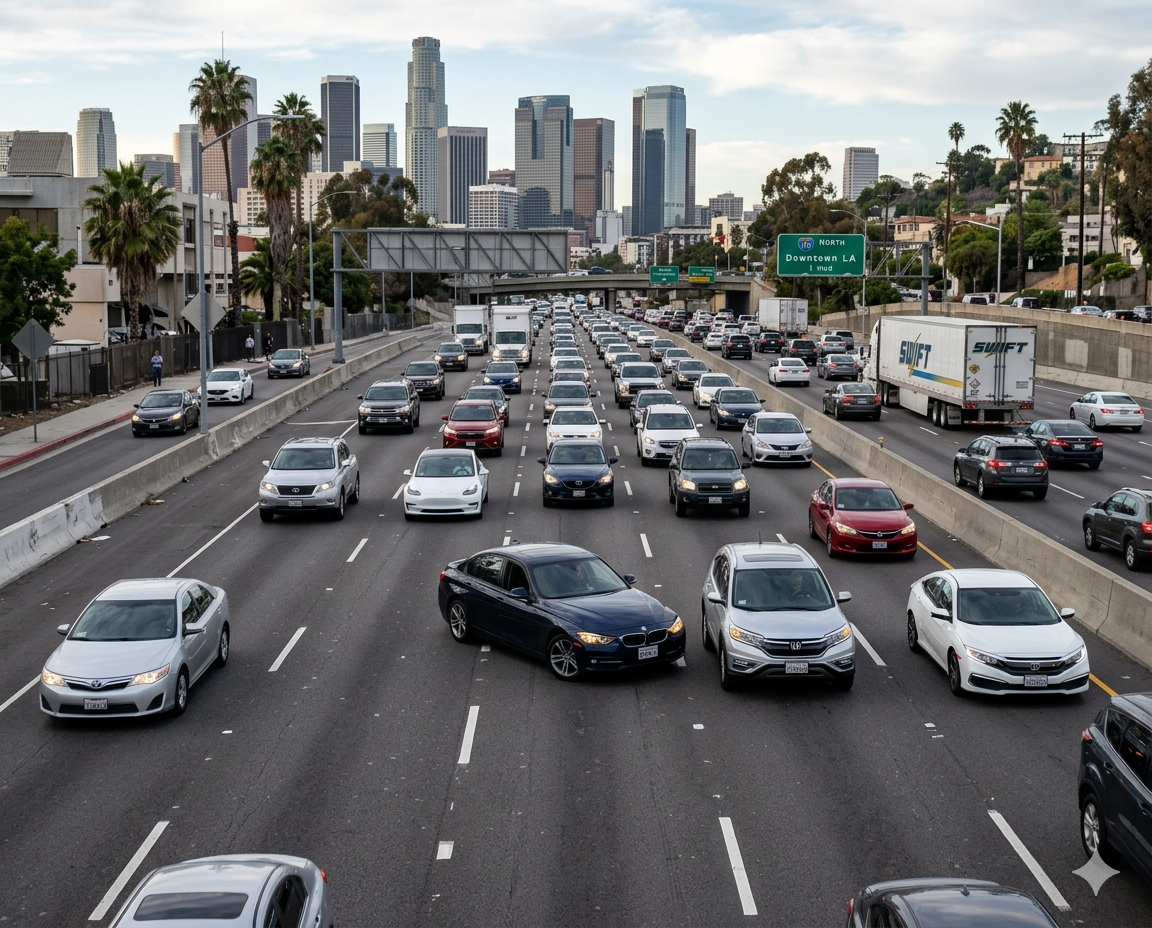
Getting pulled over for a lane weaving ticket in California can be unexpected and stressful, especially if you believed you were driving normally. Unlike clear violations such as speeding, lane weaving cases often depend on a police officer’s interpretation of your driving behavior at the time.
Many drivers only learn about California Vehicle Code § 21658 after receiving a citation, which can leave them confused about what they did wrong and what steps to take next. This article explains why lane weaving tickets happen, what they mean, and how you should respond if you are cited.
Why Lane Weaving Tickets Happen in California
Lane weaving tickets are typically issued when a driver appears to be moving unsafely or inconsistently between lanes. However, this does not always mean the driver was intentionally driving recklessly.
Common situations that lead to these citations include:
Frequent Lane Changes in Traffic
On busy California highways, drivers often change lanes to move through congestion. If these changes appear constant or rushed, law enforcement may interpret it as unsafe weaving.
Minor Lane Drifting
Even small movements such as briefly touching or crossing lane markings can be viewed as lane straddling, especially if it happens more than once.
Distracted Driving
Using a phone, adjusting GPS, eating, or interacting with controls inside the vehicle can cause subtle drifting that officers may notice.
Fatigue or Reduced Attention
Drowsy or tired driving can lead to inconsistent lane control, which may appear as weaving or instability.
Aggressive Driving Behavior
Rapid lane changes, speeding through traffic gaps, or frequent overtaking may be interpreted as unsafe weaving.
In many cases, the issue is not a single action but a pattern of perceived instability in driving behavior.
What Officers Are Observing During a Stop
When issuing a lane weaving citation, officers typically rely on visual observation rather than instruments or measurements. They may look for:
- How often the vehicle changed lanes
- Whether lane changes were abrupt or unsafe
- If the vehicle crossed lane lines repeatedly
- Whether other drivers were affected
- Overall driving stability over a stretch of road
Even if no collision occurs, the perception of unsafe movement can be enough for a citation.
Is Lane Weaving Always a Violation?
Not every lane change or minor deviation is illegal. California law requires drivers to remain within a lane as closely as practical and to change lanes only when it is safe.
This means:
- Safe and necessary lane changes are allowed
- Brief lane contact does not automatically equal a violation
- A single movement is not usually enough to qualify as weaving
The key factor is whether the driving pattern appears unsafe, inconsistent, or disruptive.
Because the law allows some flexibility, these cases are often interpretation-based rather than strictly measurable violations.
What Happens After You Receive a Lane Weaving Ticket
If you are cited under California Vehicle Code § 21658, the process typically follows a standard traffic court system.
1. Review the Ticket
Carefully check:
- The exact violation listed
- Officer’s description of the incident
- Time and location of the stop
These details can be important if you decide to contest the ticket.
2. Decide How to Respond
You generally have three main options:
Pay the Ticket
This resolves the case quickly but may:
- Add points to your driving record
- Increase insurance premiums
- Stay on your record for years
Traffic School (If Eligible)
This may prevent insurance impact but does not erase the violation itself.
Contest the Ticket
You can challenge the citation in court and potentially achieve:
- Dismissal
- Reduction of charges
- No point added to your record
Common Defenses Used in Lane Weaving Cases
Every case is different, but several defenses are commonly used:
Safe Driving Behavior
If lane changes were normal, controlled, and did not affect other drivers, the citation may not be justified.
Insufficient Evidence
The officer must clearly explain the behavior observed. Vague descriptions may weaken the case.
Road Conditions
Wind, uneven pavement, or road design can naturally cause minor lane adjustments.
Momentary Drift
A brief and isolated movement does not always meet the standard for weaving.
No Impact on Traffic
If other drivers were not forced to react or adjust, it may support a defense argument.
Why These Tickets Can Be Challenging
Lane weaving citations are often more complex than other traffic violations because:
- They are based on observation, not automated measurement
- There is no strict numerical threshold for “weaving”
- Driving conditions vary widely from case to case
- Interpretation can differ between officers and judges
This means outcomes can depend heavily on the specific facts and presentation of your case.
What You Should Do Immediately After Being Cited
If you receive a lane weaving ticket, taking the right steps early can improve your situation:
Stay Calm During the Stop
Avoid arguing or admitting fault, as statements may be included in the report.
Write Down What Happened
As soon as possible, document:
- Traffic conditions
- Your driving behavior before the stop
- Any distractions or road factors
Check for Evidence
Dashcam footage or nearby traffic cameras may support your version of events.
Consider Your Options Carefully
Even minor tickets can have long-term consequences, especially if you already have points on your record.
Long-Term Impact of a Lane Weaving Ticket
Although it may seem like a small traffic violation, the effects can add up over time:
- DMV points on your record
- Increased insurance premiums
- Possible license consequences if violations accumulate
- Negative impact on driving-related employment opportunities
Repeated violations can escalate the seriousness of your driving record.
Final Thoughts
A lane weaving ticket in California is not always as straightforward as it may appear. These cases often depend on interpretation, context, and driving conditions at the time of the stop.
Understanding why these citations happen and how the process works can help you make informed decisions about your next steps. Acting quickly and reviewing your options can make a meaningful difference in the outcome of your case.
Contact Southwest Legal
If you were cited for lane weaving or unsafe lane movement under California Vehicle Code § 21658, you do not have to handle it alone. These cases can often be challenged depending on the specific circumstances, and the right legal strategy may help protect your driving record.
Southwest Legal can review your citation, explain your options, and help you determine the best approach for your case. Contact us today for a free consultation to get professional assistance with your traffic ticket and take the next step toward protecting your driving record.
Disclaimer: This article is for general informational purposes only and does not constitute legal advice or create an attorney-client relationship. No attorney-client relationship is formed unless and until the firm and client enter into an agreement for legal services. Laws may change, and legal outcomes depend on the specific facts of each case. Consult a qualified attorney for advice regarding your situation.