


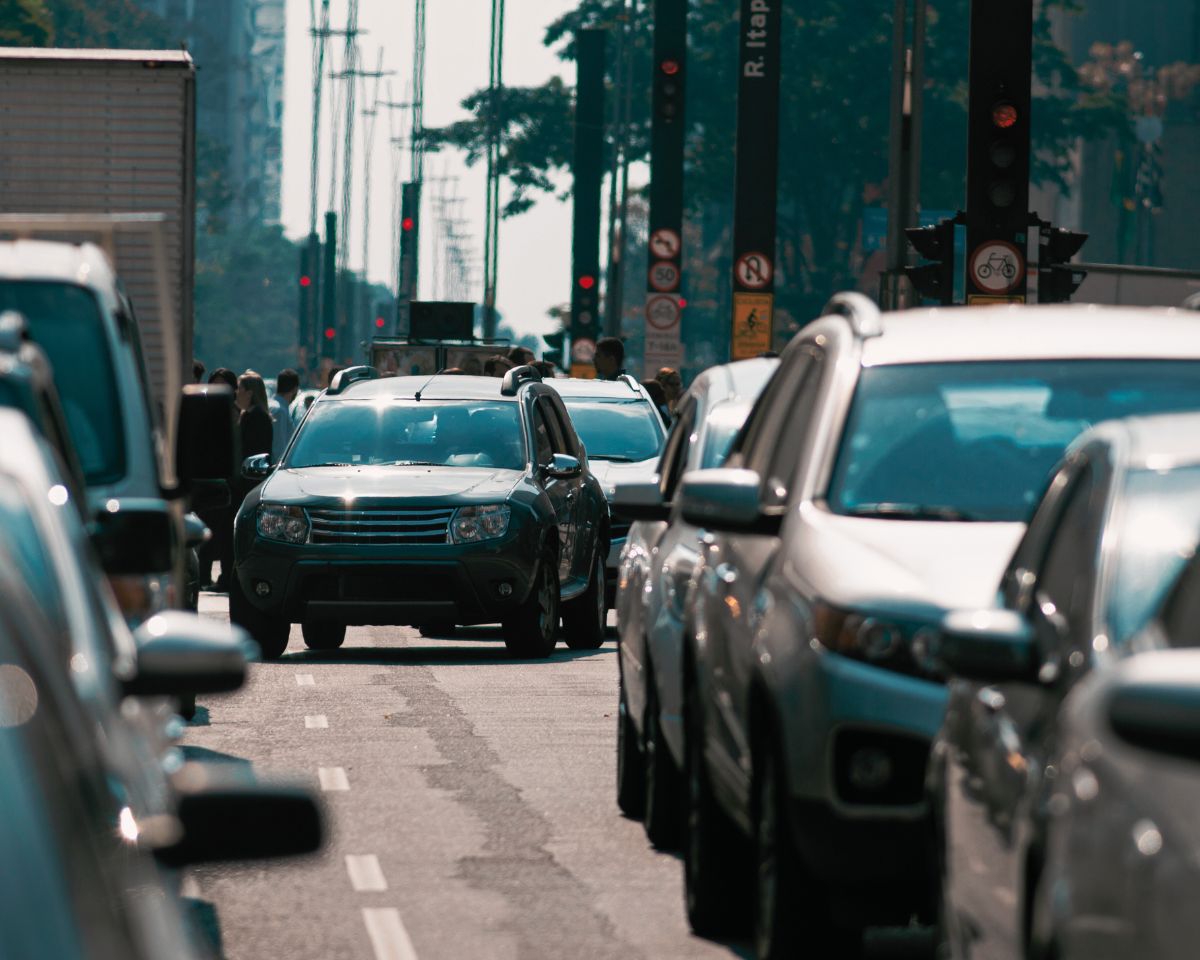
Every day, drivers across Southern California navigate multi-lane roads, highways, and freeways. But while doing so, many are unaware of a key rule that governs how we move between lanes. Whether you’re changing lanes during a commute or simply trying to avoid slow-moving traffic, it’s important to understand what the law says about staying in your lane and when it’s legally safe to change lanes. One specific law, California Vehicle Code § 21658 CVC, regulates how drivers should behave on roads with multiple lanes in one direction. This law addresses two common driving behaviors: lane straddling—when a vehicle drifts or drives between two lanes—and lane weaving—when a vehicle makes frequent, often unsafe lane changes. Understanding this law can help you avoid tickets, maintain a clean driving record, and drive more safely overall.
What Does California Vehicle Code § 21658 CVC Say?
California Vehicle Code § 21658 applies to roadways that have two or more lanes clearly marked for traffic traveling in the same direction. The law states that vehicles must be driven entirely within a single lane “as nearly as practical,” and a lane change should not occur unless it can be made with reasonable safety. Additionally, if there are official signs instructing drivers to use certain lanes (for instance, directing slower traffic to the right), those signs must be obeyed.
In simple terms, if you’re on a multi-lane road, you’re expected to stay within your lane unless you’re safely changing lanes or directed otherwise by road signs. Driving over lane lines or shifting between lanes without proper care could result in a violation of this law.
What Is Lane Straddling?
Lane straddling occurs when a vehicle drives over the painted line that separates lanes and occupies parts of two lanes at once. This can happen when a driver is distracted, trying to anticipate a lane change, or even just being careless. If the vehicle continues straddling the line for more than a moment, especially without signaling or checking for other vehicles, it’s likely considered a violation of § 21658. Law enforcement officers often view lane straddling as a sign of unsafe or inattentive driving, which is why it’s commonly cited in traffic stops.
What Is Lane Weaving?
Lane weaving refers to a pattern of repeated or erratic lane changes, especially in a short amount of time or distance. Weaving might involve a driver moving back and forth across lanes to get ahead in traffic or because they are distracted or impaired. Even if no accident occurs, excessive weaving creates danger for other drivers and disrupts the flow of traffic. If the lane changes are made without signaling or without checking for surrounding vehicles, the behavior may be cited under § 21658 as an unsafe movement.
When Is a Lane Change Legal Under This Law?
Not all lane changes are violations. The law allows for lane changes when done safely and properly. That means using your turn signal, checking your mirrors and blind spots, and only moving over when there’s a clear and safe opportunity to do so. A single, deliberate lane change made with reasonable caution is not a violation of this code. The key difference is whether the movement was made in a safe and controlled manner.
Common Scenarios That Could Lead to a Violation
-
Holding the line between two lanes: Driving with your vehicle partially in two lanes for an extended period.
-
Frequent lane changes in traffic: Moving back and forth across lanes to get ahead, especially without signaling.
-
Drifting into another lane: Gradually moving into another lane without being aware or correcting it quickly.
-
Ignoring lane-specific signs: Failing to obey signs that assign specific lanes for slower traffic or certain maneuvers.
Legal Defenses for a § 21658 CVC Violation
If you’ve been cited for violating this section of the vehicle code, there may be valid legal defenses, depending on the circumstances:
-
You didn’t actually cross the line: A brief or momentary touch of the lane line may not qualify as a violation.
-
The lane markings were unclear: Faded or missing lane lines could make it difficult to stay fully in your lane.
-
You made a safe lane change: If the move was cautious, signaled, and did not interfere with other drivers, it may not be a violation.
-
You had to react to an emergency: Swerving or straddling to avoid an unexpected hazard may be justifiable.
Each case is unique, so it’s important to evaluate the specific facts to determine whether a defense is viable.
Penalties for Violating § 21658 CVC
Violating California Vehicle Code § 21658 is typically treated as a traffic infraction. The penalties often include:
-
A fine (usually around $238, though the exact amount can vary)
-
One point on your DMV driving record
-
Possible increases in your car insurance rates
-
Requirement to attend traffic school, depending on your eligibility and driving history
Accumulating too many points within a short time frame can result in more serious consequences, including suspension of your driver’s license.
How Law Enforcement Uses § 21658 CVC
This law is frequently used by officers as a reason to stop a vehicle when the driver is weaving or straddling lanes. In some cases, especially at night, weaving or drifting can lead to further investigation for DUI or distracted driving. Even if you’re completely sober, inconsistent lane positioning can draw unwanted attention and result in a citation.
Tips to Avoid Lane Weaving and Lane Straddling
-
Always stay centered within your lane.
-
Use your turn signal every time you change lanes.
-
Check your mirrors and blind spots before moving.
-
Avoid unnecessary or frequent lane changes.
-
Pay attention to road markings and traffic signs.
-
Slow down in heavy traffic and be patient — aggressive lane changes are risky and often not worth it.
Practicing safe and deliberate driving habits can help you avoid getting pulled over and make the roads safer for everyone.
What to Do If You Get a § 21658 Ticket
If you’ve received a citation for lane weaving or straddling:
-
Read the citation carefully to understand the charge.
-
Consider your options — pay the fine, attend traffic school (if eligible), or contest the ticket.
-
Gather evidence — dashcam footage, photos of the roadway, or witness statements can help.
-
Consult with a traffic attorney if you believe you were wrongly cited or want to avoid the point on your record.
Fighting a ticket doesn’t have to be overwhelming, and there may be legal strategies available that you’re not aware of.
Final Thoughts
Lane discipline is a fundamental part of safe driving in California. While § 21658 CVC may seem simple, violations are more common than people think — often due to momentary inattention or impatience. Understanding what the law requires and how to defend yourself if cited can make a big difference in protecting your driving record and keeping your insurance costs down.
Call to Action
If you’ve been cited under California Vehicle Code § 21658 CVC for lane weaving or lane straddling, don’t face it alone. Southwest Legal is here to help. Our experienced legal team understands traffic laws inside and out and can guide you through your options — whether you’re seeking to fight a ticket, reduce penalties, or avoid points on your license. Contact us today for a free consultation and let us help you keep your record clean and your driving future secure.