


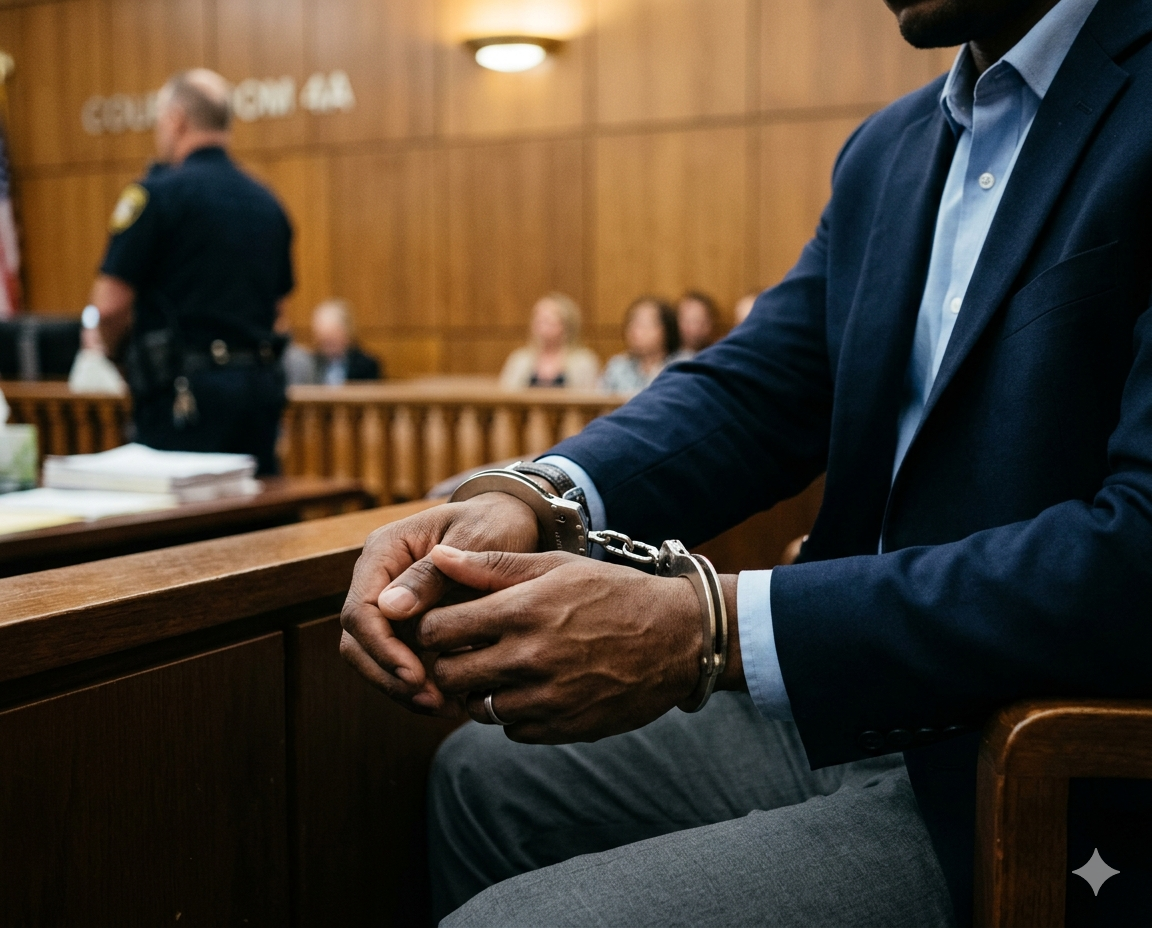
Entering a guilty plea or no contest plea in a criminal case is one of the most important decisions a defendant can make. A plea can impact a person’s freedom, criminal record, immigration status, employment opportunities, and future rights. However, there are situations where a defendant later realizes the plea was entered under pressure, misunderstanding, confusion, or without proper legal advice.
California law recognizes that mistakes can happen during the plea process. Under California Penal Code 1018, defendants may have the right to ask the court to withdraw a guilty plea or no contest plea under certain circumstances.
This guide explains how Penal Code 1018 works, the legal requirements for withdrawing a plea, common reasons courts grant these motions, filing deadlines, and what defendants should know before pursuing this type of legal relief.
What Is California Penal Code 1018?
California Penal Code 1018 is the law that allows a defendant to request withdrawal of a guilty plea or no contest plea if there is “good cause” to do so.
The purpose of the law is to protect defendants from unfair plea agreements that were not entered voluntarily, knowingly, or intelligently. California courts want to ensure that anyone pleading guilty fully understands the consequences of that decision.
A motion to withdraw a plea is commonly used when a defendant believes:
- They did not fully understand the plea agreement
- They were pressured into pleading guilty
- Their attorney failed to properly advise them
- They were confused about the consequences
- Language barriers affected communication
- Mental health or medication impaired judgment
If the court grants the motion, the plea is withdrawn and the case returns to the stage before the plea agreement was entered.
What Is a Motion to Withdraw a Plea?
A motion to withdraw a plea is a formal request asking the court to cancel a previously entered guilty plea or no contest plea.
In California criminal cases, most pleas are entered as part of negotiated plea agreements between the defense and prosecution. Once a plea is accepted by the court, it becomes legally binding unless the defendant can show good cause for withdrawal.
It is important to understand that simply changing your mind is usually not enough. Courts generally require evidence showing the plea was entered improperly or unfairly.
Understanding “Good Cause” Under Penal Code 1018
The key legal standard under Penal Code 1018 is “good cause.”
California courts generally define good cause as any factor that prevented a defendant from exercising free judgment when entering the plea.
Examples of good cause may include:
- Mistake
- Ignorance
- Inadvertence
- Fraud
- Duress
- Coercion
- Misunderstanding
- Ineffective assistance of counsel
The defendant usually has the burden of proving good cause with clear and convincing evidence. This means the court expects substantial evidence supporting the request.
Common Reasons for Withdrawing a Guilty Plea
Lack of Understanding
One of the most common reasons defendants seek plea withdrawal is that they did not fully understand what they were agreeing to.
This may involve confusion about:
- Jail or prison exposure
- Probation conditions
- Immigration consequences
- Fines and penalties
- Strike offenses
- Registration requirements
- Long-term criminal record consequences
Courts require guilty pleas to be entered knowingly and intelligently. If a defendant did not understand the consequences, the plea may be challenged.
Coercion or Pressure
A guilty plea must be voluntary.
If a defendant was pressured, threatened, intimidated, or manipulated into accepting a plea deal, the court may consider allowing withdrawal.
Examples may include:
- Pressure from law enforcement
- Threats from another individual
- Emotional distress
- Fear or panic
- Improper pressure from legal counsel
The court will examine whether the defendant’s free will was compromised during the plea process.
Ineffective Assistance of Counsel
Defendants have the constitutional right to competent legal representation.
If a defense attorney failed to properly advise the client or made serious errors, the defendant may argue that ineffective assistance of counsel caused the plea.
Examples include:
- Failure to investigate the case
- Failure to explain defenses
- Incorrect legal advice
- Failure to explain immigration consequences
- Misleading statements about sentencing
Courts carefully review attorney performance when evaluating plea withdrawal motions.
Language Barriers and Communication Problems
A defendant who does not fully understand English may face challenges during criminal proceedings.
If translation problems prevented meaningful understanding of the plea agreement, the defendant may have grounds to withdraw the plea.
Issues may include:
- Inadequate interpretation
- Miscommunication
- Confusing legal terminology
- Signing documents without understanding them
California courts recognize the importance of clear communication during plea proceedings.
Mental Health or Medication Issues
A defendant’s mental condition at the time of the plea can also become a major issue.
If the defendant was:
- Mentally impaired
- Suffering from mental illness
- Under heavy medication
- Unable to think clearly
the court may determine the plea was not valid.
Medical records, psychiatric evaluations, and witness testimony may be used to support these claims.
Filing Deadline Under California Penal Code 1018
Timing is extremely important when filing a motion to withdraw a plea.
In most cases, the motion must be filed:
- Before judgment is entered, or
- Within six months after probation is granted if the court suspended entry of judgment
For many defendants, this means the motion must usually be filed before sentencing.
Once sentencing occurs, withdrawing a plea becomes significantly more difficult. Other post-conviction remedies may then be required.
Because deadlines are strict, defendants should act quickly if they believe the plea was entered improperly.
How the Plea Withdrawal Process Works
Step 1: Preparing the Motion
The defense attorney prepares a written motion explaining:
- Why the plea should be withdrawn
- What legal errors occurred
- Supporting facts and evidence
- Relevant legal arguments
The motion is filed with the criminal court and provided to the prosecutor.
Step 2: Gathering Supporting Evidence
Evidence plays a major role in these cases.
Supporting evidence may include:
- Written declarations
- Medical records
- Emails or attorney communications
- Plea hearing transcripts
- Witness testimony
- Interpreter records
The stronger the evidence, the stronger the motion.
Step 3: Court Hearing
The judge will usually schedule a hearing on the motion.
During the hearing:
- Defense counsel presents arguments
- The prosecution may oppose the motion
- Witnesses may testify
- Evidence may be reviewed
The judge then decides whether the defendant established good cause for withdrawing the plea.
What Happens If the Motion Is Granted?
If the court grants the motion:
- The guilty plea or no contest plea is withdrawn
- A not guilty plea is entered
- The criminal case reopens
- The case returns to pre-plea status
At that point, the defendant may:
- Negotiate a different plea agreement
- Continue fighting the charges
- Proceed to trial
However, defendants should understand that prosecutors are often no longer bound by the original plea deal. Charges that were dismissed as part of the agreement may potentially return.
What Happens If the Motion Is Denied?
If the judge denies the motion:
- The plea remains valid
- Sentencing may proceed
- The defendant remains bound by the agreement
Depending on the circumstances, the defendant may still explore other legal remedies, including appeals or post-conviction relief options.
Is It Difficult to Withdraw a Plea in California?
Yes. California courts generally treat guilty pleas as serious legal decisions.
Judges often deny motions when:
- The defendant simply regrets the plea
- Court records show the plea was explained properly
- The defendant stated under oath that they understood the agreement
- There is little supporting evidence
To succeed, defendants usually need persuasive evidence showing the plea process was fundamentally unfair or legally defective.
Does Penal Code 1018 Apply to No Contest Pleas?
Yes.
California Penal Code 1018 applies to both:
- Guilty pleas
- No contest pleas
The legal standards are generally the same for both types of pleas.
Immigration Consequences and Plea Withdrawals
Immigration consequences are one of the most important issues in modern criminal defense cases.
A criminal plea can sometimes lead to:
- Deportation
- Removal proceedings
- Visa denial
- Inadmissibility
- Loss of lawful immigration status
If a non-citizen defendant was not properly advised about immigration consequences, this may become a significant issue in plea withdrawal proceedings.
Because immigration law is highly complex, these cases often require careful legal analysis.
Difference Between Plea Withdrawal and Expungement
Many people confuse plea withdrawal with expungement, but they are very different legal procedures.
Motion to Withdraw a Plea
- Challenges the validity of the original plea
- Attempts to reopen the criminal case
- Usually occurs before sentencing or shortly afterward
Expungement
- Happens after completing probation or sentence
- Does not erase the conviction entirely
- Primarily helps with employment opportunities
A successful plea withdrawal can completely change the direction of a criminal case.
Important Factors Courts Consider
When deciding whether to grant a motion under Penal Code 1018, judges may consider:
- Whether constitutional rights were explained
- Whether the plea was voluntary
- The defendant’s mental condition
- Attorney performance
- Language barriers
- Timing of the motion
- Credibility of witnesses
- Court transcripts and records
Every case is different, and outcomes depend heavily on the facts and evidence presented.
Why Legal Representation Matters
Motions to withdraw pleas can be legally complex and highly fact-specific.
An experienced criminal defense attorney can help:
- Evaluate whether grounds exist for withdrawal
- Gather supporting evidence
- Prepare legal arguments
- Represent the defendant during hearings
- Protect constitutional rights throughout the process
Because plea withdrawal cases often involve procedural rules and strict deadlines, professional legal guidance is extremely important.
Final Thoughts
California Penal Code 1018 gives defendants an opportunity to challenge guilty pleas or no contest pleas that were entered unfairly or without full understanding.
Although courts do not grant these motions automatically, relief may be available when defendants can demonstrate good cause such as:
- Misunderstanding
- Coercion
- Improper legal advice
- Language barriers
- Mental incapacity
The sooner a defendant acts, the better the chances of preserving legal options.
Contact Southwest Legal
If you or a loved one entered a guilty plea or no contest plea and believe it was made under pressure, confusion, or without proper legal advice, Southwest Legal may be able to help evaluate your options.
The legal team at Southwest Legal understands the serious consequences criminal pleas can have on your future, freedom, immigration status, and criminal record. Whether you are seeking to withdraw a plea under California Penal Code 1018 or exploring other remedies, experienced legal guidance can make a significant difference.
Contact us today for a free consultation to discuss your case and learn more about your legal rights and possible
Disclaimer: This article is for general informational purposes only and does not constitute legal advice or create an attorney-client relationship. No attorney-client relationship is formed unless and until the firm and client enter into an agreement for legal services. Laws may change, and legal outcomes depend on the specific facts of each case. Consult a qualified attorney for advice regarding your situation.