


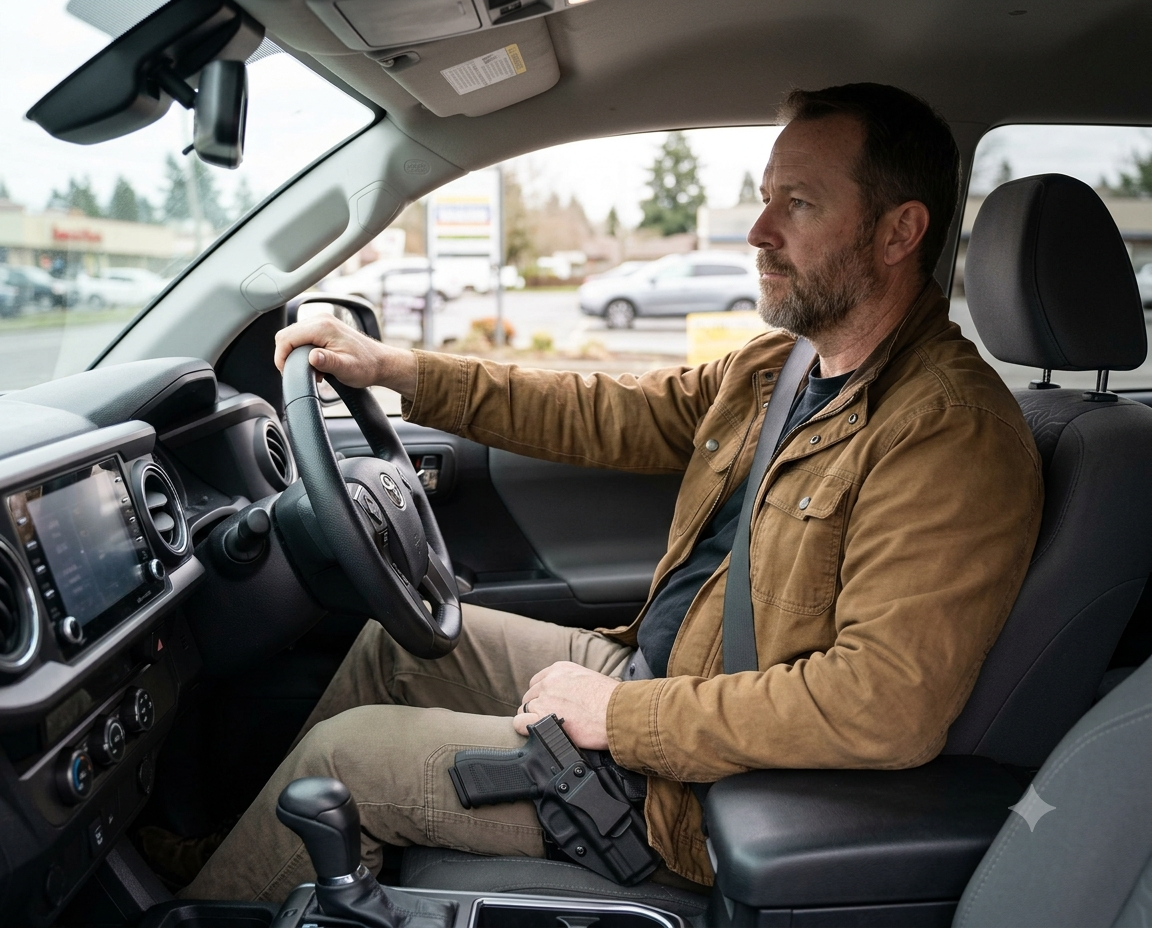
Transporting a firearm in California involves more than simply placing it inside a vehicle. California has some of the nation’s most detailed firearm transportation laws, and understanding those rules is important for anyone who lawfully owns a firearm. One of the key statutes addressing this issue is California Penal Code § 25610, which provides an exemption that allows eligible individuals to transport a handgun in a motor vehicle under specific conditions.
This article explains what California Penal Code § 25610 means, who it applies to, the requirements for legally transporting a firearm, common misconceptions, and practical examples.
What Is California Penal Code § 25610?
California Penal Code § 25610 establishes circumstances under which a person who is legally allowed to possess a handgun may transport it in a motor vehicle without violating California’s laws regarding carrying a concealed firearm.
The statute does not create unlimited permission to carry a firearm in a vehicle. Instead, it provides an exception when certain legal requirements are met. Those requirements primarily concern the person’s legal eligibility to possess firearms and the manner in which the handgun is transported.
Because California regulates firearms differently than many other states, understanding these transportation rules can help reduce the risk of unintentionally violating the law.
Who Can Rely on Penal Code § 25610?
Generally speaking, this statute applies to individuals who:
- Are at least 18 years old.
- Are legally permitted to possess firearms under California and federal law.
- Transport the handgun in the manner required by California law.
The statute does not override prohibitions that apply to individuals who are prohibited from possessing firearms because of criminal convictions, certain restraining orders, or other legal restrictions.
What Are the Requirements for Transporting a Handgun?
To qualify under the statute, several important conditions must generally be satisfied.
The Handgun Must Be Unloaded
One of the most important requirements is that the handgun must be unloaded while it is being transported.
An unloaded firearm means there is no ammunition in the firearm as defined under California law. Simply removing the magazine may not always answer every legal question if ammunition remains in a position that makes the firearm legally loaded under applicable law.
Because firearm definitions can be technical, owners should understand how California interprets the term “loaded.”
The Handgun Must Be in a Locked Container
The handgun generally must be transported inside a locked container.
A locked container is commonly understood as a secure container that is fully enclosed and locked using a key, combination lock, padlock, or similar locking mechanism.
Examples may include:
- A locked handgun case.
- A lockable hard-sided pistol case.
- A lockable portable gun safe.
The purpose of this requirement is to ensure the firearm is not readily accessible while being transported.
A Vehicle’s Trunk May Qualify
If the vehicle has a separate enclosed trunk, placing the unloaded handgun inside the locked trunk generally satisfies the transportation requirement.
Since the trunk itself is secured and separated from the passenger compartment, California law generally treats it differently from the rest of the vehicle.
What Is Not Considered a Locked Container?
Many people mistakenly assume that any enclosed area inside a vehicle qualifies.
Generally, the following are not considered substitutes for a locked container:
- The glove compartment.
- The center console.
- Other utility compartments inside the passenger area, even if they can be locked.
Simply placing a firearm beneath a seat or inside a backpack without locking it also may not satisfy California’s transportation requirements.
Does the Firearm Need to Be Hidden?
California law focuses primarily on whether the firearm is unloaded and properly secured.
Although keeping firearms out of public view may reduce unnecessary attention and lower the risk of theft, the key legal consideration under this statute is compliance with the required transportation method.
Can Ammunition Be Transported in the Same Vehicle?
California law does not categorically prohibit transporting ammunition in the same vehicle as the unloaded handgun.
However, firearm owners should ensure that the handgun itself remains unloaded and that transportation complies with all applicable California laws.
Because other statutes and specific circumstances may affect legality, individuals should become familiar with the broader legal framework governing firearm transportation.
Does This Law Apply to Rifles and Shotguns?
Penal Code § 25610 specifically addresses handguns.
Different rules may apply to rifles and shotguns. While California generally requires firearms to be transported safely, the legal requirements for long guns are not identical to those governing handguns.
Additionally, local regulations or other state laws may impose further restrictions depending on the circumstances.
What About Carrying a Loaded Firearm?
Transporting an unloaded firearm under Penal Code § 25610 is different from carrying a loaded firearm.
California has separate laws regulating loaded firearms, concealed carry, and carrying firearms in public.
Unless another legal exception applies or a person holds an appropriate permit where required, carrying a loaded handgun may violate California law.
Does a Concealed Carry Permit Change the Rules?
Individuals who possess a valid California concealed carry license may be subject to different legal rules regarding carrying handguns.
However, permit holders must still comply with any conditions attached to their licenses as well as other applicable state and federal laws.
Holding a permit does not eliminate every legal restriction involving firearms.
Examples
1. A firearm owner places an unloaded handgun inside a locked pistol case before putting it into the trunk of the car.
This example generally reflects the type of transportation method contemplated by Penal Code § 25610.
2. A driver places an unloaded handgun inside an unlocked backpack on the passenger seat.
Even though the firearm is unloaded, the transportation method may not satisfy California’s locked-container requirement.
3. A handgun is placed inside the glove compartment.
Even if the glove compartment locks, California law generally does not treat it as a qualifying locked container for purposes of this statute.
Related California Firearm Offenses and Potential Penalties
While Penal Code § 25610 provides an exemption for lawful transportation, failing to comply with its requirements may expose an individual to criminal liability under other California firearm laws.
Carrying a Concealed Firearm Penal Code § 25400
California generally prohibits carrying a concealed handgun inside a vehicle or on one’s person unless an exception or valid concealed carry license applies.
Depending on the circumstances, violations may be prosecuted as misdemeanors or felonies. Potential penalties can include:
- County jail or state prison
- Probation
- Monetary fines
- Loss of firearm rights in certain cases
Carrying a Loaded Firearm in Public Penal Code § 25850
California also prohibits carrying a loaded firearm on one’s person or inside a vehicle in many public places unless a statutory exception applies.
Possible penalties depend on numerous factors, including prior criminal history, where the offense occurred, and whether aggravating circumstances are present.
Possession of a Firearm by a Prohibited Person
Individuals prohibited from possessing firearms under California or federal law may face separate criminal charges if found in possession of a firearm, regardless of whether transportation otherwise complies with Penal Code § 25610.
These offenses often carry significantly more severe consequences.
Factors That May Affect Criminal Penalties
The penalties associated with firearm offenses vary based on several considerations, including:
- Whether the firearm was loaded or unloaded
- Whether it was secured inside a qualifying locked container
- The person’s criminal history
- Whether the individual was legally prohibited from possessing firearms
- Where the alleged offense occurred
- Whether additional crimes were allegedly committed
Because each case is unique, prosecutors evaluate the totality of the circumstances before determining appropriate charges.
Common Misunderstandings
“If the gun isn’t loaded, I’m automatically following the law.”
Not necessarily.
California law generally requires more than simply unloading the firearm. Proper storage during transportation is also an important legal requirement.
“A locked glove box is enough.”
Many people assume this is acceptable, but California law generally distinguishes glove compartments from qualifying locked containers.
“These rules apply everywhere.”
No.
Firearm transportation laws differ significantly from one state to another. What is legal in one jurisdiction may not be lawful in California.
Additional Places Where Firearms May Be Restricted
Even when transportation complies with Penal Code § 25610, other laws may prohibit firearms in certain locations, including:
- Schools.
- Government buildings.
- Courthouses.
- Secure airport areas.
- Certain public events.
- Other locations designated by state or federal law.
Always consider whether additional restrictions apply at your destination.
Tips for Lawful Firearm Transportation
Responsible firearm owners often take extra precautions beyond the minimum legal requirements.
Helpful practices include:
- Use a quality locked firearm case.
- Verify the firearm is unloaded before travel.
- Store ammunition separately if appropriate.
- Keep the firearm out of plain view when possible.
- Avoid unnecessary handling of firearms during travel.
- Stay informed about changes to California firearm laws.
Frequently Asked Questions
Can I keep a handgun under my driver’s seat?
Generally, no. An unloaded handgun under a seat without being secured in a qualifying locked container may not satisfy California’s transportation requirements.
Can I use a cable lock instead of a locked case?
A cable lock alone may not necessarily satisfy the requirement that the firearm be transported inside a locked container. The specific method matters.
Can police inspect my firearm during a traffic stop?
Law enforcement officers have authority under certain circumstances, but the scope of any inspection depends on the facts of the encounter and applicable law.
Does this law apply to visitors from another state?
Individuals traveling into California are generally expected to comply with California law while within the state, regardless of where they reside.
What happens if someone violates the transportation requirements?
Potential consequences depend on the specific facts, including the person’s conduct, criminal history, and any other applicable statutes. Penalties can vary significantly.
Final Thoughts
California Penal Code § 25610 provides a legal pathway for eligible individuals to transport a handgun in a motor vehicle, but only when specific conditions are satisfied. In general, the handgun must be unloaded and secured in a qualifying locked container or, where appropriate, inside the vehicle’s locked trunk. Simply owning a firearm does not automatically authorize transporting it in any manner.
Because California firearm laws can be detailed and may change over time, firearm owners should stay informed about current legal requirements and consult a qualified California attorney if they need advice about a specific situation or legal issue.
Contact Southwest Legal
If you have been arrested for a firearm-related offense or have questions about California’s firearm transportation laws, it is important to understand your legal rights as early as possible. The facts of every case are different, and even a seemingly minor misunderstanding of California’s firearm laws can lead to serious legal consequences.
The criminal defense attorneys at Southwest Legal are committed to providing knowledgeable legal representation for individuals facing criminal charges throughout Southern California. Whether you are dealing with allegations involving the transportation of a firearm, concealed weapons, or other criminal matters, our team can evaluate your situation, explain your legal options, and help you navigate the legal process.
Don’t wait to get the information you need. Contact us today for a free consultation and learn how our experienced legal team can help protect your rights and work toward the best possible outcome in your case.
Disclaimer: This article is for general informational purposes only and does not constitute legal advice or create an attorney-client relationship. No attorney-client relationship is formed unless and until the firm and client enter into an agreement for legal services. Laws may change, and legal outcomes depend on the specific facts of each case. Consult a qualified attorney for advice regarding your situation.