


If you received a fix-it ticket in California, you may be wondering what it means, how much it will cost, and what you need to do to get it dismissed.
A fix-it ticket, also called a correctable violation, is generally issued for a problem that can be corrected. Common examples include certain vehicle equipment violations, expired registration, certain driver’s license issues, and situations involving proof of insurance.
Although a fix-it ticket may be easier to resolve than some other traffic citations, you should not ignore it. You typically need to correct the problem, provide the required proof of correction, and pay the applicable fee before the deadline.
Here’s what you need to know about handling a California fix-it ticket.
What Is a Fix-It Ticket in California?
A fix-it ticket is a citation for a violation that may be corrected after the citation is issued.
Instead of simply paying a fine for the violation, a qualifying correctable violation may be dismissed after you fix the problem and provide the required proof to the court.
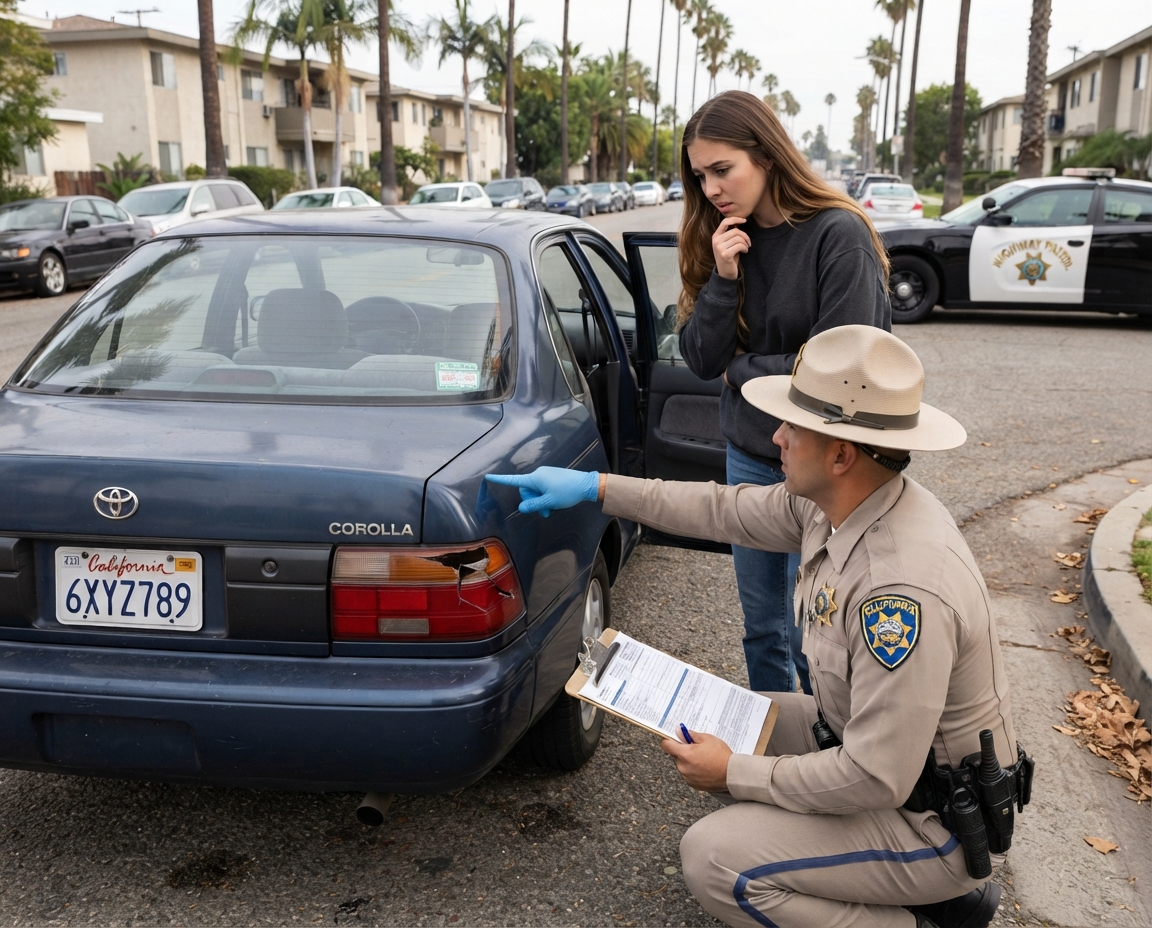
For example, an officer may stop you and discover that a taillight on your vehicle is not working. If the violation qualifies as correctable, you can repair the taillight, obtain the required certification, and submit proof to the court.
Not every traffic ticket is a fix-it ticket. A speeding ticket or red-light violation, for example, generally cannot be resolved simply by correcting a vehicle problem.
What Are Common Fix-It Tickets in California?
The specific violations that qualify depend on California law and the circumstances of the citation. Common examples include:
-
Defective vehicle equipment: A broken taillight or another vehicle equipment problem may qualify for correction.
-
Expired vehicle registration: You may be able to resolve the citation by bringing your registration current and providing proof.
-
Driver’s license issues: Certain driver’s license violations may be corrected by obtaining or presenting a valid license as required.
-
Proof of insurance: If you had the required insurance but could not provide proof during the traffic stop, documentation showing that you were insured at the relevant time may allow the matter to be corrected.
Your citation should identify the specific violation and provide instructions for responding.
How Do You Fix a Fix-It Ticket in California?
Handling a California fix-it ticket generally involves three main steps.
1. Correct the Problem
First, take care of whatever issue resulted in the citation.
For example:
-
Replace a defective light.
-
Complete required vehicle registration.
-
Resolve the applicable driver’s license issue.
-
Obtain documentation showing that you had insurance when required.
Try to correct the problem as soon as possible. Keep receipts, documents, and other evidence showing that you completed the correction.
2. Get Proof of Correction
After correcting the problem, you may need to have the correction verified.
Depending on the violation, verification may involve a law enforcement officer, the DMV, or the court.
For certain vehicle equipment violations, an authorized officer may inspect the vehicle and sign the appropriate portion of the citation or correction form.
The requirements can vary, so follow the instructions associated with your specific citation.
3. Submit the Proof to the Court
Once you have the required proof, submit it to the court listed on your citation before the deadline.
Do not assume that fixing the problem automatically dismisses the ticket. The court generally needs to receive and process the required proof.
You should also keep a copy of everything you submit.
How Much Is a Fix-It Ticket in California?
California Courts currently identifies a $25 correction fee for each fix-it ticket.
However, $25 may not be the total amount associated with every citation.
If your ticket contains additional violations, you may have other amounts or requirements to address. For example, fixing a defective taillight does not resolve a separate speeding violation listed on the same citation.
Check your citation and court information to determine the amount that applies to your case.
Can a Fix-It Ticket Be Dismissed?
Yes, a qualifying correctable violation may be dismissed after you provide satisfactory proof that the problem has been corrected and meet the applicable requirements.
California law provides a correction-and-dismissal procedure for certain qualifying violations.
The important distinction is that not every traffic citation qualifies for this process.
For example, repairing your vehicle after receiving a speeding ticket does not turn the speeding ticket into a fix-it ticket.
If your citation contains a correctable violation, follow the court’s instructions for obtaining and submitting proof of correction.
Do You Have to Go to Court for a Fix-It Ticket?
Usually, a person does not need to appear before a judge simply to resolve a qualifying fix-it ticket if the court allows the matter to be handled through the correction process.
You may be able to:
-
Correct the problem.
-
Obtain the required proof.
-
Submit the proof to the court.
-
Pay the applicable correction fee.
However, the procedure depends on the citation and the court handling your case. Always follow the instructions on your ticket and court notice.
What Happens If Your Ticket Has More Than One Violation?
A traffic citation can contain more than one alleged violation.
One violation may be correctable while another is not.
For example, suppose you receive a ticket for:
-
A defective taillight; and
-
Speeding.
You may be able to fix the taillight and have that portion of the citation dismissed. However, repairing the taillight does not automatically resolve the speeding allegation.
The court will determine what remains to be addressed after you provide proof of correction.
Always review the entire citation—not just the fix-it portion.
What Happens If You Don’t Fix a Fix-It Ticket?
Ignoring a fix-it ticket can lead to additional problems.
A fix-it ticket still has a response or appearance deadline. If you fail to respond, the court may take additional action, which can include additional fees or a failure-to-appear matter.
Simply fixing the problem without properly responding to the citation may also leave the case unresolved.
If you have received a fix-it ticket, do not assume that the ticket disappears because you repaired the problem.
What If You Missed the Deadline?
If your fix-it ticket deadline has already passed, contact the court that issued the citation as soon as possible.
Do not assume that you can simply submit proof of correction late without addressing the missed deadline.
The court can tell you what steps are available and whether additional requirements apply.
If you have not yet missed the deadline but believe you need more time to correct the problem, contact the court before the deadline and ask about your options.
How Long Do You Have to Fix a Fix-It Ticket?
The deadline for responding to a fix-it ticket is generally listed on the citation or court notice.
The exact date matters.
You should give yourself enough time to:
-
Make the necessary repair or correction.
-
Obtain any required inspection or certification.
-
Gather supporting documents.
-
Submit the proof to the court.
-
Pay the required fee.
Waiting until the last minute can make the process more difficult, particularly if an inspection or DMV transaction is required.
What Happens After You Submit Proof of Correction?
Once you submit the required proof, the court reviews the documentation.
If the violation qualifies for correction and you have satisfied the applicable requirements, the correctable violation may be dismissed.
Keep your paperwork until you have confirmed that the matter has been properly resolved.
If your citation contains another violation, remember that correcting one issue does not necessarily resolve the entire ticket.
What If You Disagree With the Fix-It Ticket?
If you believe the citation was issued incorrectly, you may have the option to contest the ticket rather than simply accepting the allegation.
For example, you may believe:
-
The alleged vehicle defect did not exist.
-
Your registration was actually current.
-
You had the required insurance at the relevant time.
-
You had a valid license.
-
The officer’s description of the circumstances was incorrect.
The appropriate response depends on the facts of your situation and the type of citation you received.
Review the instructions on your ticket carefully and pay attention to the deadline for responding or requesting a court hearing.
What Should You Do After Receiving a California Fix-It Ticket?
If you have just received a fix-it ticket, the following checklist can help:
-
Read the entire ticket carefully.
-
Identify the specific violation.
-
Check your response deadline.
-
Determine what needs to be corrected.
-
Fix the problem promptly.
-
Keep receipts and supporting documents.
-
Obtain the required proof or certification.
-
Submit the proof to the appropriate court.
-
Pay the applicable correction fee.
-
Check whether the ticket contains additional violations.
-
Keep copies of everything you submit.
-
Confirm that the court has processed the correction.
Frequently Asked Questions
What is a fix-it ticket?
A fix-it ticket is a citation for a violation that may be corrected. If the violation qualifies and you satisfy the applicable requirements, the correctable charge may be dismissed after proof of correction is provided.
How much is a fix-it ticket in California?
The standard correction fee identified by California Courts is $25 per fix-it ticket. Additional amounts may apply if your citation includes other violations.
Can I get a fix-it ticket dismissed?
A qualifying correctable violation may be dismissed after you correct the problem, provide the required proof, and satisfy the applicable court requirements.
Do I have to go to court?
Not necessarily. Many qualifying fix-it tickets can be handled through the correction process without a court appearance. Follow the instructions provided by the court handling your citation.
What if I don’t fix my ticket?
Failing to respond can result in additional consequences, including additional fees or a failure-to-appear matter. Fixing the underlying problem does not necessarily resolve the citation unless you complete the required court process.
Can I fix my ticket after the deadline?
You should contact the court if you have missed your deadline. Do not assume that a late repair or correction automatically resolves the case.
What if I lost my fix-it ticket?
Contact the court identified on the citation or the appropriate traffic court for the location where you received the ticket. The court can provide information about your case and available next steps.
Can I get a fix-it ticket while driving a vehicle registered outside California?
Yes. California traffic laws can apply to drivers operating vehicles in California regardless of where the vehicle is registered. If you receive a citation while visiting California, follow the instructions provided by the court handling the ticket.
Don’t Ignore a California Fix-It Ticket
A California fix-it ticket may be relatively straightforward to resolve, but you still need to take the required steps.
In most cases, the process is:
Fix the problem → obtain proof of correction → submit the proof to the court → pay the applicable fee → confirm the matter is resolved.
The most important thing is to pay attention to your deadline and the specific instructions on your citation. If your ticket includes multiple violations, correcting one problem may not resolve the entire citation.
If you’re unsure whether your ticket qualifies as a fix-it ticket or you’re uncertain about what you need to do next, consider getting legal guidance before the deadline passes.
Contact Southwest Legal
Need Help With a California Fix-It Ticket?
A fix-it ticket may seem simple, but missing a deadline or misunderstanding the correction process can create unnecessary complications.
Southwest Legal can help you understand your California traffic citation, the correction process, and the options that may be available based on your circumstances. Don’t let uncertainty about your ticket leave you guessing about your next step.
Contact us today for a free consultation and get clear information about how you may be able to address your California fix-it ticket.
Disclaimer: This article is for general informational purposes only and does not constitute legal advice or create an attorney-client relationship unless and until the firm and client enter into an agreement for legal services. Laws may change, and legal outcomes depend on the specific facts of each case. Consult a qualified attorney for advice regarding your situation.