


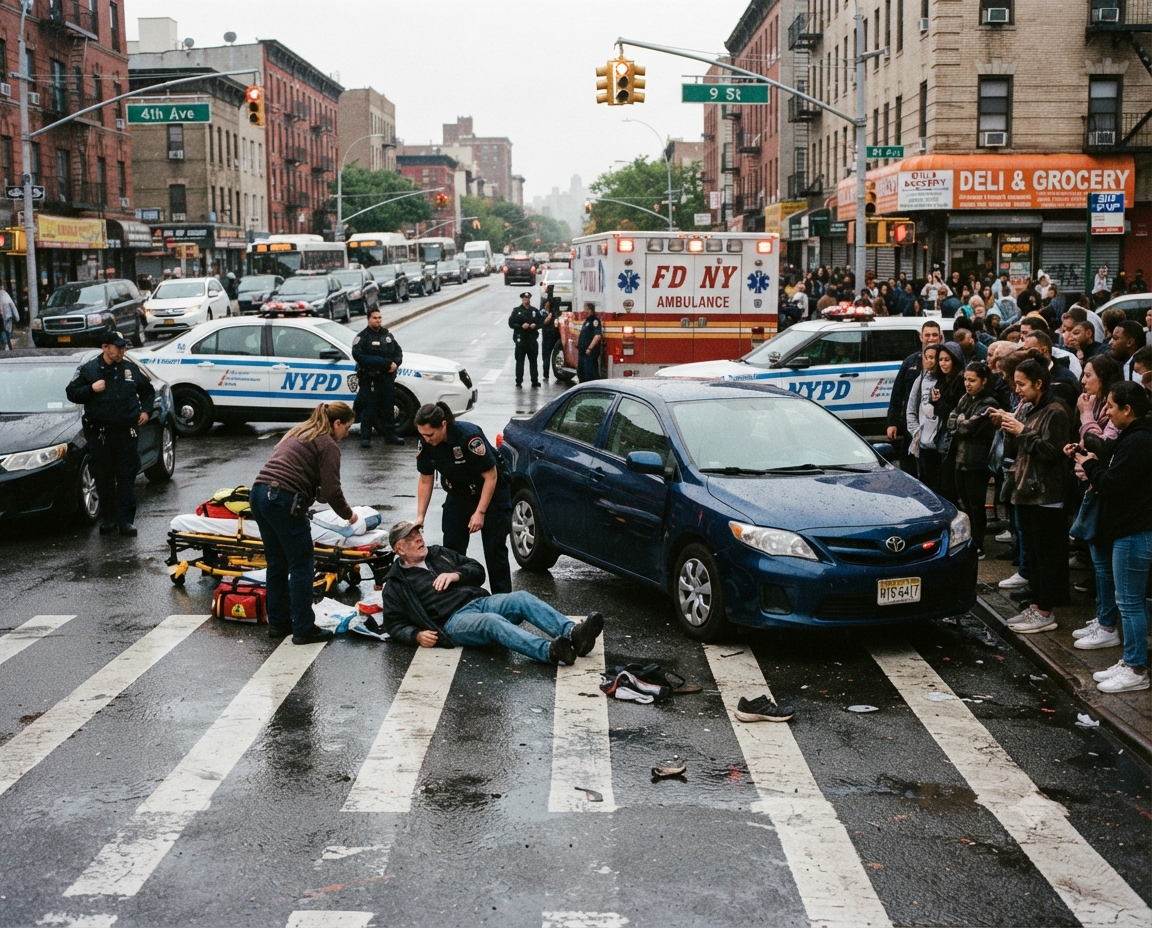
Yes, a pedestrian may be able to sue a driver who hits them in California if the driver’s negligence caused the accident and resulting injuries. However, being hit by a vehicle does not automatically mean the driver is legally responsible in every situation.
California law provides important protections for pedestrians, but determining who is responsible after a collision depends on the specific circumstances. Factors such as traffic signals, the actions of the driver and pedestrian, road conditions, available evidence, and the severity of the injuries may all affect whether a legal claim is possible.
Pedestrian accidents can be especially serious because people walking near traffic have little protection from the force of a vehicle impact. Injuries may include broken bones, head injuries, spinal injuries, soft tissue damage, and other conditions that can require extensive medical care.
If you were hit by a vehicle while walking in California, understanding how pedestrian accident laws work can help you understand your options.
Do Pedestrians Always Have the Right of Way in a California Crosswalk?
California law provides important protections for pedestrians crossing the street. Under California Vehicle Code section 21950, drivers must yield the right-of-way to pedestrians crossing within a marked crosswalk or an unmarked crosswalk at an intersection.
This means a driver approaching a crosswalk has a responsibility to watch for pedestrians and take reasonable steps to avoid a collision.
However, pedestrian right-of-way does not mean a pedestrian is automatically considered fault-free after every accident. The law requires everyone using the roadway, including pedestrians, to act with reasonable care.
A driver may be considered negligent if they:
- Fail to yield to a pedestrian in a crosswalk
- Drive while distracted
- Speed through an intersection or pedestrian crossing area
- Ignore traffic signals
- Fail to check for pedestrians before turning
- Drive in a way that creates an unreasonable safety risk
A pedestrian may also have responsibilities, such as following traffic signals and avoiding entering traffic when it is unsafe.
Because California follows comparative negligence rules, both the driver’s and pedestrian’s actions may be considered when determining responsibility.
Can I Sue a Driver After a Pedestrian Accident in California?
A pedestrian who is injured by a vehicle may be able to pursue a personal injury claim if the driver’s negligence caused the collision and resulting damages.
To establish negligence in a pedestrian accident claim, an injured person generally must show:
The Driver Had a Duty of Care
Drivers have a responsibility to operate their vehicles safely and follow traffic laws. This includes paying attention, maintaining control of the vehicle, and taking reasonable precautions to protect others on the road.
The Driver Failed to Act Reasonably
A driver may fail to meet this responsibility by engaging in unsafe conduct, such as failing to stop, failing to yield, driving distracted, or ignoring road conditions.
The Driver’s Actions Caused the Accident
Simply being involved in a collision does not automatically establish legal responsibility. Evidence must show that the driver’s actions contributed to causing the accident.
For example, if a driver turns right at an intersection without checking for pedestrians and strikes someone legally crossing with a walk signal, the driver’s failure to yield may be an important factor in determining fault.
The Pedestrian Suffered Damages
A claim generally involves proving that the collision caused actual harm, such as medical expenses, lost income, physical pain, or other accident-related losses.
What If the Driver Claims the Pedestrian Was at Fault?
One common issue in pedestrian accident cases is whether the driver argues that the pedestrian contributed to the collision.
California follows a pure comparative negligence system. This means an injured person may still be able to recover compensation even if they are partially responsible for the accident. However, the amount recovered may be reduced by their percentage of fault.
For example, if a pedestrian has $100,000 in damages but is found to be 20% responsible for the accident, the potential recovery may be reduced by 20%.
Determining fault may require reviewing evidence such as:
- Police reports
- Witness statements
- Traffic camera footage
- Surveillance videos
- Accident scene photographs
- Medical records
- Vehicle damage
- Other relevant records
What Evidence Helps Prove a Pedestrian Accident Claim?
Evidence can be critical because drivers and insurance companies may disagree about how a collision happened.
Important evidence may include:
Photos and Videos
Photos of the intersection, traffic signals, vehicle damage, injuries, and road conditions can help document what occurred.
Video footage from traffic cameras, nearby businesses, or residential security systems may also provide important information about the accident.
Witness Statements
People who saw the collision may be able to provide details about:
- Vehicle speed
- Traffic signals
- Driver behavior
- Pedestrian movements
- Road conditions
Medical Records
Medical documentation helps establish the injuries caused by the accident and the treatment required.
Police Reports
A police report may include information gathered at the scene, statements from those involved, and observations made by responding officers.
What Compensation Can a Pedestrian Receive After Being Hit by a Car?
The compensation available after a pedestrian accident depends on the circumstances of the case, including the seriousness of the injuries, financial losses, available insurance coverage, and evidence showing fault.
Potential damages may include:
Medical Expenses
A pedestrian accident claim may involve compensation related to:
- Emergency treatment
- Hospital expenses
- Surgery
- Rehabilitation
- Physical therapy
- Medication
- Future medical care
Lost Wages and Reduced Earning Ability
If injuries prevent someone from working, damages may include lost income or the impact an injury has on future earning ability.
Pain and Suffering
California personal injury claims may include damages related to physical pain, emotional distress, and the effect injuries have on daily activities.
The value of any claim depends on the specific facts. No particular result can be guaranteed.
How Long Do I Have to Sue a Driver After a Pedestrian Accident in California?
California law places deadlines on personal injury lawsuits. In many personal injury cases, the general statute of limitations is two years from the date of injury.
However, different rules may apply depending on the circumstances. For example, claims involving a government entity may involve shorter deadlines and additional claim requirements.
Because missing an applicable deadline may affect a person’s ability to pursue a claim, it is important to understand the timeline that applies to a specific situation.
What Should I Do After Being Hit in a California Crosswalk?
After a pedestrian accident, certain steps may help protect your health and preserve important information.
Seek Medical Attention
Some injuries may not appear immediately after a collision. Medical evaluation can help identify injuries and create documentation of treatment.
Report the Accident
Reporting the accident to law enforcement can create an official record of what happened.
Gather Evidence
If possible, collect information such as:
- Photos of the accident scene
- Driver information
- Insurance information
- Witness contact details
- Photos of injuries and vehicle damage
Keep Records
Save medical bills, treatment records, accident reports, and other documents related to the collision.
What If I Was Hit While Crossing With a Walk Signal?
A pedestrian crossing with a walk signal may have evidence showing they were following traffic rules at the time of the accident.
If a driver ignores a traffic signal, fails to yield, or does not properly observe an intersection, those actions may be relevant when determining negligence.
However, every accident is different. Factors such as visibility, vehicle speed, weather conditions, roadway design, and the actions of everyone involved may affect how responsibility is determined.
What Happens If the Driver Leaves After Hitting a Pedestrian?
If a driver hits a pedestrian and leaves the scene, the accident may involve a hit-and-run.
Reporting the accident and preserving evidence may be important steps. Information that may help identify the driver can include:
- Witness accounts
- Security camera footage
- Traffic camera recordings
- Vehicle descriptions
- Police investigation findings
Available options may depend on whether the driver is identified and what insurance coverage may apply.
Can a Family Sue If a Pedestrian Dies After Being Hit?
If a pedestrian dies because of injuries caused by a vehicle collision, certain surviving family members may have the ability to bring a wrongful death claim under California law.
Wrongful death claims have specific requirements regarding who may file, what damages may be available, and applicable deadlines.
Families dealing with the loss of a loved one after a pedestrian accident may benefit from understanding their legal options.
Frequently Asked Questions
If a driver hits me in a crosswalk, is the driver automatically liable?
No. A driver may be responsible if their negligence caused the accident, but liability depends on the facts and evidence involved.
Can I still sue if I was partly responsible for the accident?
Possibly. California’s comparative negligence rules may allow an injured person to recover damages even if they share some responsibility, although compensation may be reduced based on their percentage of fault.
Do I need a lawyer after a pedestrian accident?
Not every pedestrian accident requires legal representation. However, speaking with a qualified personal injury lawyer may help someone understand their rights, especially when injuries are serious, fault is disputed, or insurance issues arise.
What if the insurance company offers me a settlement?
Before accepting a settlement, it may be helpful to understand the extent of injuries, future expenses, and available legal options. Accepting a settlement may affect the ability to pursue additional compensation depending on the circumstances.
Key Takeaways
- A pedestrian injured by a vehicle may have the right to pursue compensation if a driver’s negligence caused the accident.
- Drivers generally have a responsibility to yield to pedestrians who are lawfully crossing.
- Pedestrians must also exercise reasonable care, and fault may be shared under California’s comparative negligence rules.
- Evidence such as videos, witness statements, police reports, and medical records can play an important role in proving a claim.
- Compensation may include medical expenses, lost income, and other accident-related damages.
- Legal deadlines apply, and the timeframe for taking action depends on the specific circumstances.
Contact Southwest Legal
Understanding Your Rights After a Pedestrian Accident
Being hit by a vehicle while walking in California can create significant physical, emotional, and financial challenges. While pedestrians have important protections under California law, determining responsibility requires a careful review of the facts, evidence, and circumstances surrounding the accident.
If you or a loved one has been injured in a pedestrian accident, learning about your legal options can help you make informed decisions about the next steps.
Southwest Legal provides guidance to individuals seeking to understand their rights after serious accidents. If you need help understanding a potential pedestrian accident claim, contact us today for a free consultation to discuss your situation and learn what options may be available.
Disclaimer: This article is for general informational purposes only and does not constitute legal advice or create an attorney-client relationship. No attorney-client relationship is formed unless and until the firm and client enter into an agreement for legal services. Laws may change, and legal outcomes depend on the specific facts of each case. Consult a qualified attorney for advice regarding your situation.