


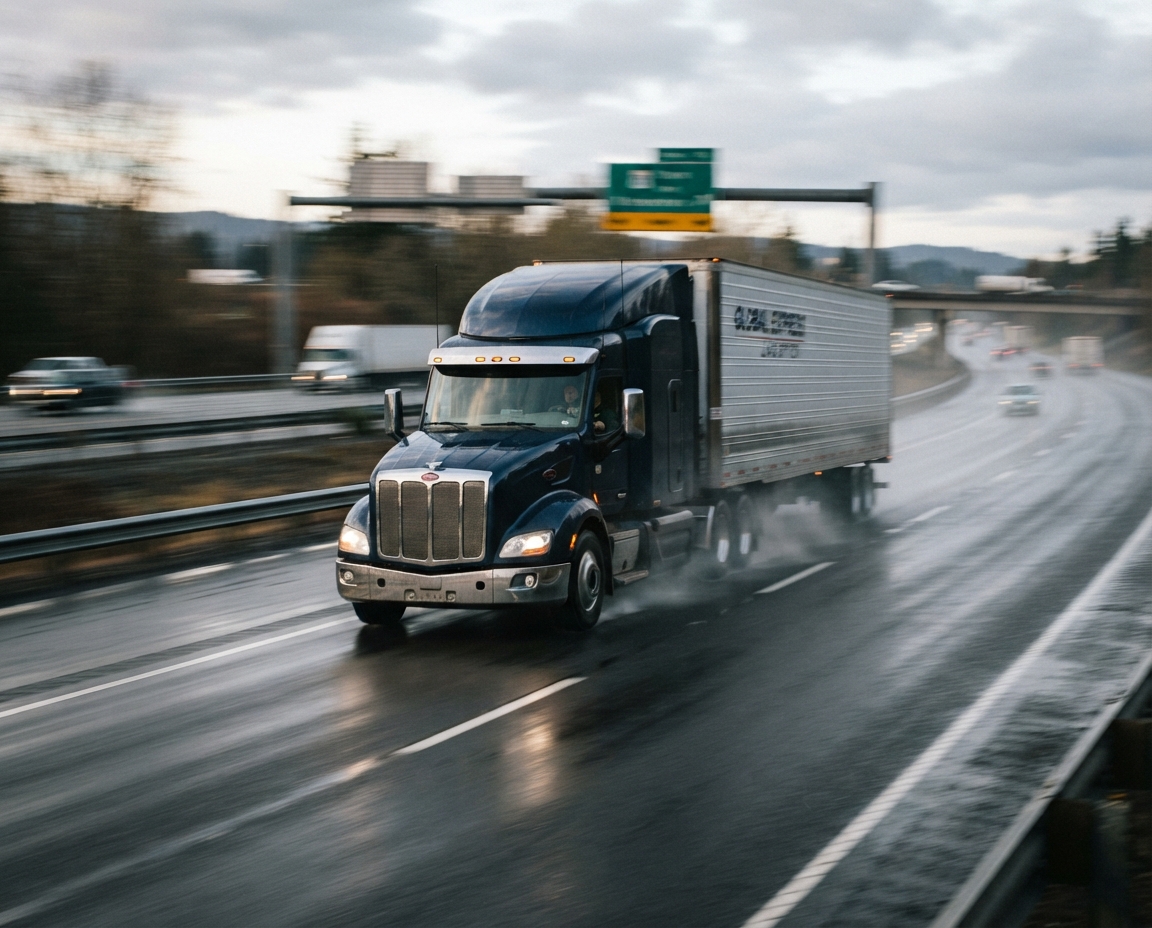
Yes. A truck can receive a speeding ticket for traveling over 55 MPH on a California freeway where the posted speed limit is 70 MPH.
Under California Vehicle Code § 22406, certain vehicles are subject to a 55 MPH maximum speed limit, even when the posted speed limit for other vehicles on the same highway is higher.
This means a freeway may have a posted speed limit of 65 or 70 MPH, while a truck covered by § 22406 is still legally limited to 55 MPH.
If the truck travels faster than 55 MPH, the driver may be cited for violating California Vehicle Code § 22406.
What Is California Vehicle Code § 22406?
California Vehicle Code § 22406 establishes a maximum speed of 55 MPH for specified vehicles when they are driven on a highway.
The law applies to several categories of vehicles, including:
- A motortruck or truck tractor with three or more axles.
- A motortruck or truck tractor drawing another vehicle.
- A passenger vehicle or bus drawing another vehicle.
- A school bus transporting school pupils.
- A farm labor vehicle transporting passengers.
- A vehicle transporting explosives.
- A trailer bus.
For truck drivers, the most common applications involve three-axle trucks, truck tractors, and trucks or truck tractors drawing another vehicle.
Can a Truck Drive 70 MPH on a California Freeway?
Generally, not if the truck is subject to Vehicle Code § 22406.
The posted speed limit applies to vehicles that are legally permitted to travel at that speed. It does not automatically override a separate statutory speed restriction that applies to a particular type of vehicle.
For example, suppose a California freeway has a posted speed limit of 70 MPH.
A passenger vehicle may generally be permitted to travel at up to the posted limit, subject to other California traffic laws and roadway conditions.
A three-axle truck covered by § 22406, however, is subject to a 55 MPH maximum.
Therefore:
- Traveling 55 MPH or less complies with the statutory maximum.
- Traveling 56 MPH exceeds the 55 MPH maximum.
- Traveling 65 MPH exceeds the 55 MPH maximum.
- Traveling 70 MPH exceeds the 55 MPH maximum.
The fact that the freeway sign says 70 MPH does not increase the truck’s separate 55 MPH maximum.
Example: A Truck Traveling 62 MPH in a 70 MPH Zone
Consider a three-axle truck traveling on a freeway with a posted speed limit of 70 MPH.
The truck is traveling 62 MPH.
Although 62 MPH is below the posted 70 MPH limit, the truck is still traveling 7 MPH over the 55 MPH maximum applicable to the vehicle.
If the truck falls within the vehicles covered by § 22406, the driver may be cited for exceeding the applicable speed limit.
This is why truck drivers cannot necessarily rely on the speed shown on the freeway sign when determining their legal maximum speed.
What Trucks Are Subject to the 55 MPH Limit?
Three-Axle Trucks and Truck Tractors
A motortruck or truck tractor with three or more axles is subject to the 55 MPH maximum under § 22406.
This is one of the most common situations involving a CVC § 22406 speeding citation.
Trucks Drawing Another Vehicle
The law also applies to a motortruck or truck tractor drawing another vehicle.
As a result, the number of axles is not the only factor that matters. The configuration of the vehicle and whether it is drawing another vehicle can determine whether the 55 MPH restriction applies.
Other Covered Vehicles
Section 22406 also covers certain other vehicles, including specified passenger vehicles or buses drawing another vehicle, school buses transporting pupils, certain farm labor vehicles, vehicles transporting explosives, and trailer buses.
The exact vehicle involved should therefore be considered when determining whether § 22406 applies.
Is Driving 56 MPH in a Covered Truck Illegal?
Yes. If the vehicle is subject to the 55 MPH maximum under § 22406, traveling 56 MPH exceeds the statutory speed limit.
The difference between 55 and 56 MPH may seem small, but the applicable maximum is still 55 MPH.
Whether an officer actually issues a citation is a separate question from whether the vehicle’s speed exceeded the statutory limit.
Can You Get a Ticket for Going 65 or 70 MPH in a Truck?
Yes.
If a truck is covered by § 22406, traveling at 65 or 70 MPH can result in a speeding citation even if the freeway’s posted speed limit is 65 or 70 MPH.
The important distinction is between the general roadway speed limit and the special speed restriction applicable to certain vehicles.
For example, two vehicles can be traveling on the same 70 MPH freeway:
- A passenger vehicle may be subject to the 70 MPH posted limit.
- A covered three-axle truck may be subject to the 55 MPH statutory maximum.
The same roadway can therefore have different applicable speed limits for different vehicles.
What Happens If a Truck Goes Over 55 MPH?
A driver operating a vehicle covered by § 22406 at more than 55 MPH may be cited for violating the statute.
The consequences of a citation can depend on factors such as:
- The alleged speed.
- The type and configuration of the vehicle.
- Whether the vehicle was a commercial motor vehicle.
- The driver’s license status.
- The driver’s existing driving record.
- Whether other violations are alleged.
A conviction for a § 22406 violation can generally result in one point on a California driving record.
For commercial drivers, a traffic conviction may also have consequences beyond the immediate ticket because driving records can affect employment and commercial driving privileges.
Is a CVC § 22406 Violation a Misdemeanor?
A typical violation of Vehicle Code § 22406 is a traffic infraction.
However, commercial drivers should distinguish § 22406 from Vehicle Code § 22406.1, which addresses certain speeding violations involving commercial motor vehicles and commercial driver’s license holders.
Section 22406.1 contains separate rules and can impose more serious consequences in qualifying circumstances, including certain violations involving speeds 15 MPH or more over a posted speed limit established under California law.
Because § 22406 and § 22406.1 are separate statutes, the specific charge and circumstances of the alleged violation matter.
Can You Get Traffic School for a CVC § 22406 Ticket?
A CVC § 22406 violation committed in a commercial vehicle is excluded from traffic-violator-school eligibility under California’s applicable traffic-school rules.
Commercial drivers should therefore not assume that a § 22406 citation can be dismissed through traffic school simply because traffic school may be available for some ordinary traffic violations.
Eligibility can depend on the specific violation and circumstances, so the citation and applicable rules should be reviewed carefully.
Does the 55 MPH Rule Apply on Every California Highway?
Section 22406 establishes the 55 MPH maximum for the specified vehicles when they are driven on a highway.
It does not mean that every vehicle in California has a 55 MPH maximum speed.
Instead, the law creates a special speed restriction for particular categories of vehicles.
When evaluating a specific ticket, the vehicle involved, the roadway, the alleged speed, and the exact statute listed on the citation are important.
How Is Truck Speeding Different From Regular Speeding?
With ordinary speeding, the driver may be accused of exceeding the speed limit applicable to the roadway.
A § 22406 violation is different because the type or configuration of the vehicle can determine the applicable maximum speed.
For example:
A passenger car may legally travel at the posted 70 MPH limit.
A three-axle truck covered by § 22406 may still be limited to 55 MPH.
This is why a truck driver can receive a speeding citation while traveling below the posted freeway speed limit.
What Should You Do After Receiving a CVC § 22406 Ticket?
If you receive a truck speeding citation under Vehicle Code § 22406, review the ticket carefully.
Pay particular attention to:
- The Vehicle Code section listed on the citation.
- The speed alleged by the officer.
- The type of vehicle involved.
- The number of axles.
- Whether the vehicle was drawing another vehicle.
- Whether the vehicle was being operated as a commercial motor vehicle.
- The court identified on the citation.
- The deadline for responding.
Do not ignore the citation. A traffic ticket requires a timely response, and failing to respond can create additional legal and administrative problems.
If you are a commercial driver, it may also be important to understand how a conviction could affect your driving record and employment.
Frequently Asked Questions
What is CVC § 22406?
California Vehicle Code § 22406 establishes a 55 MPH maximum speed for specified vehicles, including certain three-axle trucks, truck tractors, and trucks or truck tractors drawing another vehicle.
Can a three-axle truck drive 70 MPH in California?
Generally, no. A three-axle truck covered by § 22406 is subject to the 55 MPH maximum even when the freeway’s posted speed limit is 70 MPH.
Can a truck get a ticket for going 60 MPH in a 70 MPH zone?
Yes. If the truck is covered by § 22406, 60 MPH is above the applicable 55 MPH maximum, even though the posted freeway limit is 70 MPH.
Is driving 56 MPH in a covered truck illegal?
Yes. If § 22406 applies to the vehicle, traveling 56 MPH exceeds the statutory 55 MPH maximum.
Does CVC § 22406 apply to trucks pulling trailers?
It can. The statute specifically includes a motortruck or truck tractor drawing another vehicle.
Does CVC § 22406 apply only to commercial trucks?
No. Section 22406 covers several categories of vehicles, including certain passenger vehicles, buses, school buses, farm labor vehicles, vehicles transporting explosives, and trailer buses.
How many points can a CVC § 22406 conviction add?
A conviction for violating § 22406 can generally result in one point on a California driving record.
Is CVC § 22406 the same as CVC § 22406.1?
No. They are separate statutes. Section 22406 establishes the 55 MPH maximum for specified vehicles, while § 22406.1 addresses certain speeding violations involving commercial motor vehicles and CDL holders.
Key Takeaways
California Vehicle Code § 22406 creates a 55 MPH maximum speed for specified vehicles.
The most important points are:
- A covered truck can be limited to 55 MPH even on a freeway posted at 65 or 70 MPH.
- A three-axle truck is generally subject to the 55 MPH maximum.
- A truck or truck tractor drawing another vehicle can also be subject to the 55 MPH restriction.
- A truck traveling 56 MPH can exceed the statutory maximum if § 22406 applies.
- A truck traveling 65 or 70 MPH can be cited even when the freeway’s posted speed limit is 70 MPH.
- A § 22406 conviction can generally result in one point on a California driving record.
- Commercial drivers should also consider whether other laws, including § 22406.1, apply to their circumstances.
The key issue is simple: the 70 MPH freeway speed limit does not automatically apply to a truck that is subject to California’s separate 55 MPH restriction under Vehicle Code § 22406.
Contact Southwest Legal
Received a California Truck Speeding Ticket for Going Over 55 MPH?
If you received a CVC § 22406 ticket for driving a truck over 55 MPH, the fact that the freeway had a higher posted speed limit does not necessarily eliminate the alleged violation.
The type of vehicle, its configuration, the speed alleged on the citation, and the specific Vehicle Code section listed on the ticket can all matter.
Southwest Legal can help you understand what a CVC § 22406 speeding citation means and what issues may affect your driving record.
Contact us today for a free consultation to discuss your California truck speeding ticket and available legal options.
Disclaimer: This article is for general informational purposes only and does not constitute legal advice or create an attorney-client relationship unless and until the firm and client enter into an agreement for legal services. Laws may change, and legal outcomes depend on the specific facts of each case. Consult a qualified attorney for advice regarding your situation.